机构交易活跃度

Search documents
抓主升靠趋势,看行为比持仓
Sou Hu Cai Jing· 2026-02-18 16:30
很多投资者都有过类似经历:手中标的浮亏时能长期持有,稍有浮盈就急于离场,眼睁睁看着后续行情冲高,只能懊恼不已。想要打破这种循环,核心是抓 住趋势明确的主升阶段,放弃抄底执念——正如专业投资逻辑里说的,能走出强劲行情的标的,往往是已经展现出趋势力量的,关键是加入市场合力向上的 队伍中。但光懂趋势还不够,很多人盯着机构持仓数据做判断,结果频频踩坑:明明机构重仓,股价却不涨反跌。问题出在,持仓只代表过去的选择,不代 表当下的交易行为。这时候,量化大数据就能帮你穿透表象,看清真实的市场逻辑。 一、别盯持仓,看机构交易活跃度 多数投资者以为,机构重仓就是行情信号,但事实往往相反。有这样一只标的,半年报显示2025年二季度获31家基金青睐,持股数增加近2%,但7-8月股价 却下跌超20%,同期大盘上涨10%。 问题的核心在于,现在八成以上标的都有机构资金,但有资金不等于资金在积极交易。只有机构持续参与交易,才能消化卖盘、推动行情。普通投资者看不 到实时交易动态,自然会陷入判断误区。 看图1: 看图2: 相反,某只号称2025年二季度基金加仓最多的标的,7-8月仅涨20%。原因很明确:进入7月中旬后,「机构库存」数据活跃度 ...


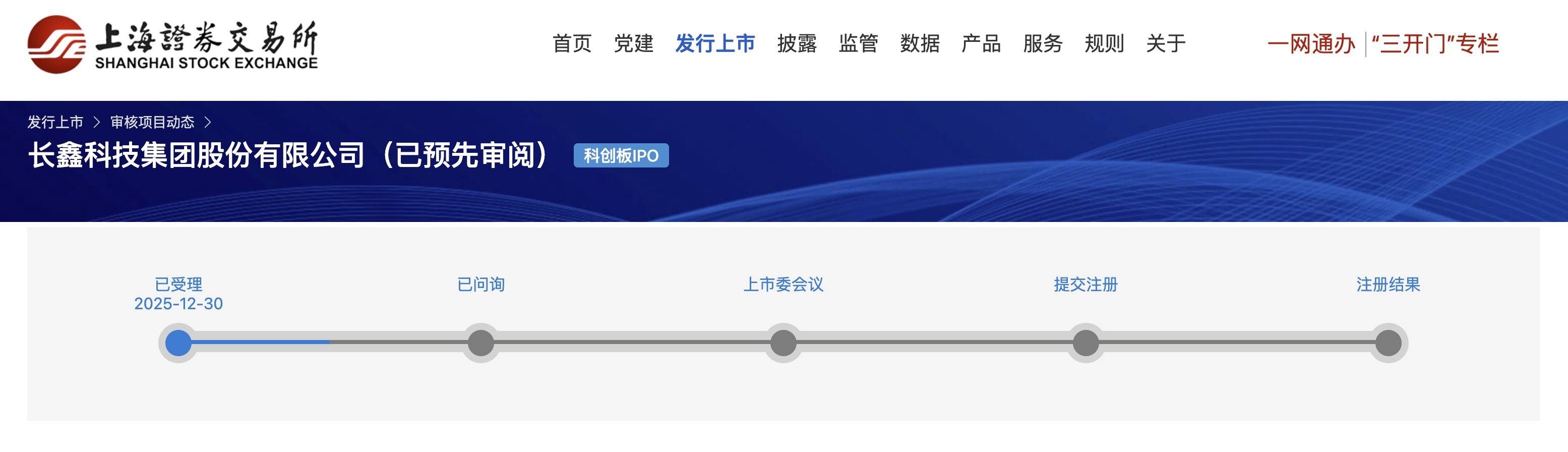
长鑫科技IPO募资295亿,股价会怎么走?
Sou Hu Cai Jing· 2026-01-01 00:00
Group 1 - The core viewpoint of the article emphasizes the importance of observing the actual actions of market participants rather than just their statements, particularly in the context of Longxin Technology's IPO in the storage chip sector [3][5] - The article reflects on past market behaviors, noting that foreign institutions often act contrary to their stated preferences, as evidenced by their quiet accumulation of stocks related to restructuring themes [3][5] - It suggests that understanding institutional trading behaviors can provide deeper insights into market dynamics, as these actions often precede significant price movements [5][11] Group 2 - The article discusses how to track institutional "action trajectories" by analyzing trading data, which can reveal patterns of behavior that are not immediately visible through stock price movements alone [5][8] - It highlights the significance of "institutional trading activity" data, indicating that higher activity levels suggest greater institutional involvement and longer participation in specific stocks [8][11] - The article advises investors to focus on the reactions of influential funds to news events, rather than getting caught up in the noise of market speculation [11][12] Group 3 - The article concludes that while news events can influence short-term market sentiment, the long-term direction of stock prices is determined by the attitudes and ongoing trading behaviors of capital [11][12] - It emphasizes the need for investors to utilize objective data tools to observe the behaviors of major market participants, which can help filter out noise and identify essential trends [12] - The importance of building investment confidence on a foundation of verifiable facts rather than mere narratives is also stressed [12]