机票退改签诈骗

Search documents
兰州反诈中心发布典型电诈案件预警
Xin Lang Cai Jing· 2026-01-31 02:59
Group 1 - The Lanzhou Anti-Fraud Center issued a warning about typical fraud cases, particularly related to flight ticket refund and change scams, urging citizens to use official channels for purchasing tickets and handling refunds [1] - A case was reported where a citizen was scammed out of 830,000 yuan by a fraudster posing as a military officer, who lured the victim into downloading a fraudulent investment app and promised guaranteed returns [2] - Another incident involved a university student who was tricked into revealing personal banking information by a caller claiming to be from "China Civil Aviation," resulting in a theft of 12,000 yuan from their account [3] Group 2 - The Lanzhou Anti-Fraud Center emphasized the importance of vigilance in online dating, warning that any claims of "insider information" or "guaranteed profits" are indicative of scams [2] - The center reiterated that all transactions related to flight tickets should be conducted through official airline websites or apps, as legitimate customer service representatives will not request downloads of unknown software or screen sharing [3]
大连女子突然接到陌生男子的电话,对方准确报出了她的姓名……听到这个要求,她立马挂断了电话
Xin Lang Cai Jing· 2026-01-17 23:54
Core Insights - A recent incident involving a scam targeting travelers highlights the risks associated with personal information leakage in the airline industry [1][3][4] Group 1: Incident Overview - A woman from Dalian received a fraudulent call from someone claiming to be an airline employee, who accurately provided her name and flight details, leading her to initially trust the caller [1] - The scammer informed her that her flight was canceled due to a technical issue and offered to arrange an alternative flight, which seemed reasonable to her at first [1][2] - The caller then attempted to obtain her Alipay account information under the pretense of providing compensation, which raised her suspicions [3] Group 2: Information Security Concerns - The victim expressed concerns about how her personal information was accessed, questioning whether it was leaked by the booking platform, the airline, or another entity [3][4] - The booking platform's customer service stated that personal information could be compromised at any stage of the booking process, emphasizing the importance of safeguarding traveler data [4] Group 3: Scam Tactics - Scammers typically acquire passenger information through illegal means, then impersonate airline staff to gain trust before claiming flight issues and offering compensation [6] - They often instruct victims to download unfamiliar apps with screen-sharing capabilities, which can lead to unauthorized access to personal accounts [6] - The police have issued warnings about such scams, advising travelers to verify flight changes through official channels and avoid sharing personal information over the phone [6][7]
从“赔你钱”到“让你贷”,机票退改签诈骗要当心
Yang Shi Xin Wen· 2026-01-07 07:31
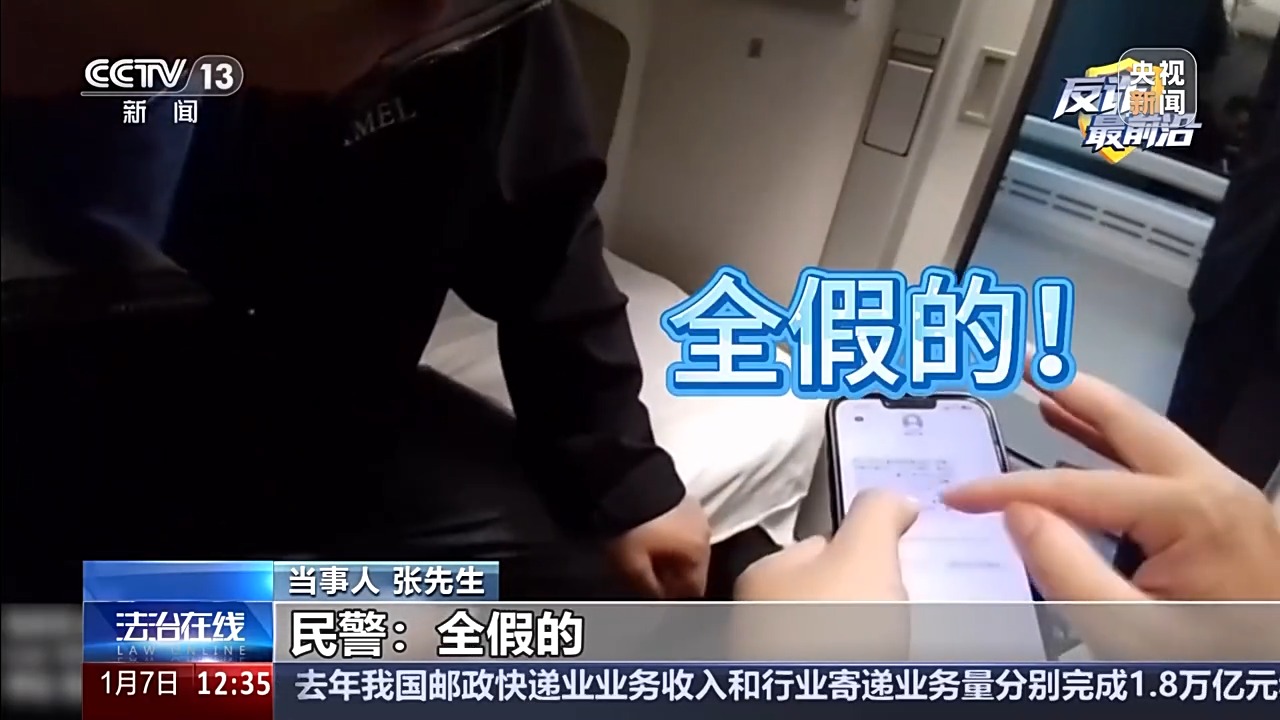
Core Viewpoint - The article highlights the increasing prevalence of flight ticket refund and change scams, emphasizing the tactics used by fraudsters to exploit victims, particularly during peak travel times and adverse weather conditions [1][17][21]. Group 1: Scam Tactics - Fraudsters often use fake identities, claiming to be airline insurance agents, to lure victims into providing personal information and downloading malicious apps [6][10]. - The scams typically involve creating a sense of urgency by claiming flight delays or the need for immediate changes, which pressures victims into compliance [22][24]. - Victims are often instructed to perform complex actions, such as downloading apps or sharing sensitive information, which ultimately leads to unauthorized access to their bank accounts [9][12][22]. Group 2: Target Demographics - The primary targets of these scams are individuals aged 18 to 40, with a significant focus on business travelers, families, and older adults who may be less familiar with technology [17][18]. - Business travelers are particularly vulnerable due to their frequent need for ticket changes, while families may act hastily out of concern for travel disruptions [18]. - Older adults are often misled by the scammers' tactics, as they may struggle with technology and be more easily influenced by persuasive language [18]. Group 3: Timing of Scams - Scams are more likely to occur around holidays and during severe weather conditions when flight disruptions are common, allowing fraudsters to exploit travelers' anxieties [21][22]. - The National Anti-Fraud Center indicates that these scams are strategically timed to coincide with periods of high travel demand, such as before major holidays [21].

“机票退改签”有陷阱 三种情况易“中招”
Bei Jing Wan Bao· 2025-10-08 06:40
Core Insights - The article highlights the rise of "ticket refund and change" scams targeting travelers during peak travel times, particularly around the National Day and Mid-Autumn Festival holidays [1][2] Group 1: Scam Tactics - Scammers impersonate airline customer service representatives, claiming flight cancellations and urging travelers to process refunds or changes [2] - They create a sense of urgency by stating limited availability for free changes, exploiting travelers' anxiety about their travel plans [2] - Scammers send phishing links disguised as refund processing websites, leading to the theft of sensitive information such as bank account details [2] Group 2: Warning Signs - Travelers are most vulnerable when they receive refund or change messages shortly before their departure, as they are already anxious about potential delays or cancellations [1] - Those who booked tickets through unofficial channels are at higher risk, as they may find it difficult to verify the status of their orders [1] - Legitimate refund and change processes will not involve unsolicited calls, requests for sensitive information, or demands for upfront payments [2]
假期返程 警惕“机票退改签”陷阱
Yang Shi Xin Wen· 2025-10-07 09:09
Core Viewpoint - The upcoming National Day and Mid-Autumn Festival holiday is a peak travel period, leading to an increase in scams related to ticket refunds and changes, exploiting travelers' urgency and anxiety [1] Group 1: Common Scenarios for "Refund and Change" Scams - Travelers may receive "refund and change" messages 1-2 days before departure, making them more susceptible to panic and compliance due to heightened sensitivity to flight cancellations or delays [2] - During the National Day period, ticket scarcity on popular routes increases travelers' anxiety about missing their trips, making them more likely to believe in urgent refund and change claims [3] - Individuals who purchase tickets through unofficial channels may face difficulties in verifying their order status, allowing scammers to falsely claim that the booking platform has issues and that rebooking is necessary [4] Group 2: Scam Tactics - Scammers impersonate airline customer service representatives to lower travelers' defenses, claiming that a flight has been canceled and that they need to process refunds or changes [5] - They create a sense of urgency by stating that only a limited number of free change slots are available, pressuring travelers to act quickly and lose their ability to think critically [6] - After gaining consent for the refund or change, scammers send a phishing link disguised as a legitimate processing site, where travelers unknowingly input sensitive information [7] - If travelers do not realize their information has been compromised, scammers may further request funds under the pretense of a 20% service fee, directing them to transfer money to fraudulent accounts [8] - Once the scam is successful, scammers may continue to fabricate excuses to delay the process and extract more money until the victim can no longer pay or realizes they have been scammed, at which point the scammers disappear [9] Group 3: Police Advisory - Legitimate refund and change processes will not involve unsolicited calls requesting action, will not ask for sensitive information, and will not require payment transfers [10] - Travelers are advised to remain calm and verify information through official channels, as taking an extra minute to confirm can prevent both travel disruptions and financial losses [11] - The hope is for everyone to recognize these scams and have a safe and smooth experience during the National Day and Mid-Autumn Festival [12]
假期快结束,警惕“机票退改签” 陷阱,别让回程来 “破财”
Yang Shi Wang· 2025-10-07 01:33
Core Viewpoint - The article highlights the rise of "ticket refund and change" scams targeting travelers during peak holiday seasons, emphasizing the need for vigilance and awareness among passengers to avoid financial loss and travel disruptions [1]. Group 1: Scam Situations - Travelers are most vulnerable to "refund and change" scams when they receive urgent messages 1-2 days before departure, as they are already anxious about potential flight cancellations or delays [2]. - During peak travel times like the National Day holiday, ticket scarcity increases anxiety among travelers, making them more likely to believe in urgent refund and change requests [3]. - Passengers who book tickets through unofficial channels may face difficulties in verifying their order status, making them susceptible to scams where fraudsters claim that the booking platform has issues and requires rebooking [4]. Group 2: Scam Tactics - Scammers often impersonate airline customer service representatives to lower travelers' defenses, claiming that a flight has been canceled and that immediate action is required for refunds or changes [5]. - They create a sense of urgency by stating that there are limited free change slots available, pressuring travelers to act quickly and lose their ability to think critically [6]. - Once travelers agree to the refund or change, scammers send phishing links disguised as official refund processing sites, where personal and financial information can be stolen [7]. - Scammers may further deceive victims by claiming that a 20% service fee is required for processing refunds, directing them to transfer money to fraudulent accounts [8]. - After obtaining money, scammers often delay communication with fabricated excuses, leading victims to continue sending money until they realize they have been scammed [9]. Group 3: Police Advice - Authorities warn that legitimate refund and change processes will never involve unsolicited calls requesting sensitive information or requiring payment transfers [10]. - Travelers are advised to remain calm and verify information through official channels, as taking a moment to confirm can prevent both travel disruptions and financial losses [11].
暑期机票退改签诈骗多发 “退款陷阱”全流程手法拆解→
Yang Shi Xin Wen· 2025-08-13 07:00
Core Viewpoint - The article highlights a surge in flight cancellation scams targeting travelers, particularly during the peak summer travel season, where fraudsters exploit passengers' anxiety over travel changes to steal personal and financial information [4][6][12]. Group 1: Scam Description - Fraudsters impersonate airline customer service representatives, using personal information about victims to gain their trust [8]. - Scammers claim flight cancellations due to issues like aircraft damage or bad weather, offering compensation to lure victims into providing sensitive information [8][10]. - The scams often involve victims downloading specific apps and sharing their screens, allowing fraudsters to access bank details and passwords [10]. Group 2: Case Studies - A victim in Wenzhou, Ms. Ye, received a call from a supposed "airport customer service" representative, almost losing 150,000 yuan but managed to freeze her account in time [4]. - Another victim from Qingyuan, Mr. Su, was tricked into transferring 49,800 yuan after being guided through a voice chat to download a fraudulent app [6]. Group 3: Prevention Tips - Remain calm and skeptical when receiving unsolicited calls about refunds or flight changes, as 99% of such calls are likely scams [12][13]. - Verify any flight change notifications through official airline channels, as legitimate companies do not request sensitive information like SMS codes or bank details [14][15]. - Follow the "Four No Principles": do not click on unknown links, download unfamiliar apps, enable screen sharing, or transfer money to unknown accounts [16].