板块汇聚理论

Search documents
联合探测爪哇海沟俯冲带结构
Zhong Guo Zi Ran Zi Yuan Bao· 2025-09-03 09:36
Core Viewpoint - The joint geological and geophysical survey conducted by the Second Institute of Oceanography of the Ministry of Natural Resources and the National Research and Innovation Agency of Indonesia has successfully completed its scientific tasks, achieving significant results in the deep structure detection of the Java subduction zone [1] Group 1 - The survey lasted 17 days and covered a total distance of approximately 2,800 nautical miles, focusing on active source seismic and controlled source electromagnetic joint detection in the Java Trench subduction zone [1] - Seawater and sediment core samples were collected, and relevant scientific data was obtained during the survey [1] - The collaboration between Chinese and Indonesian scientists resulted in a 100% recovery rate of seabed observation equipment within a limited weather window [1] Group 2 - The seismic and electromagnetic data obtained from the Java Trench subduction zone will provide key evidence for a deeper understanding of the lithosphere's solid-fluid structure and dynamic processes in the region [1] - The Second Institute of Oceanography will closely collaborate with the National Research and Innovation Agency of Indonesia and Gadjah Mada University in subsequent data processing and scientific analysis [1] - This collaboration aims to enhance scientific understanding of the Southeast Asian circum-subduction system's plate convergence theory and the mechanisms of marine geological disasters [1]
中国-印度尼西亚地质和地球物理联合科学考察航次启航
Zhong Guo Zi Ran Zi Yuan Bao· 2025-08-13 01:51
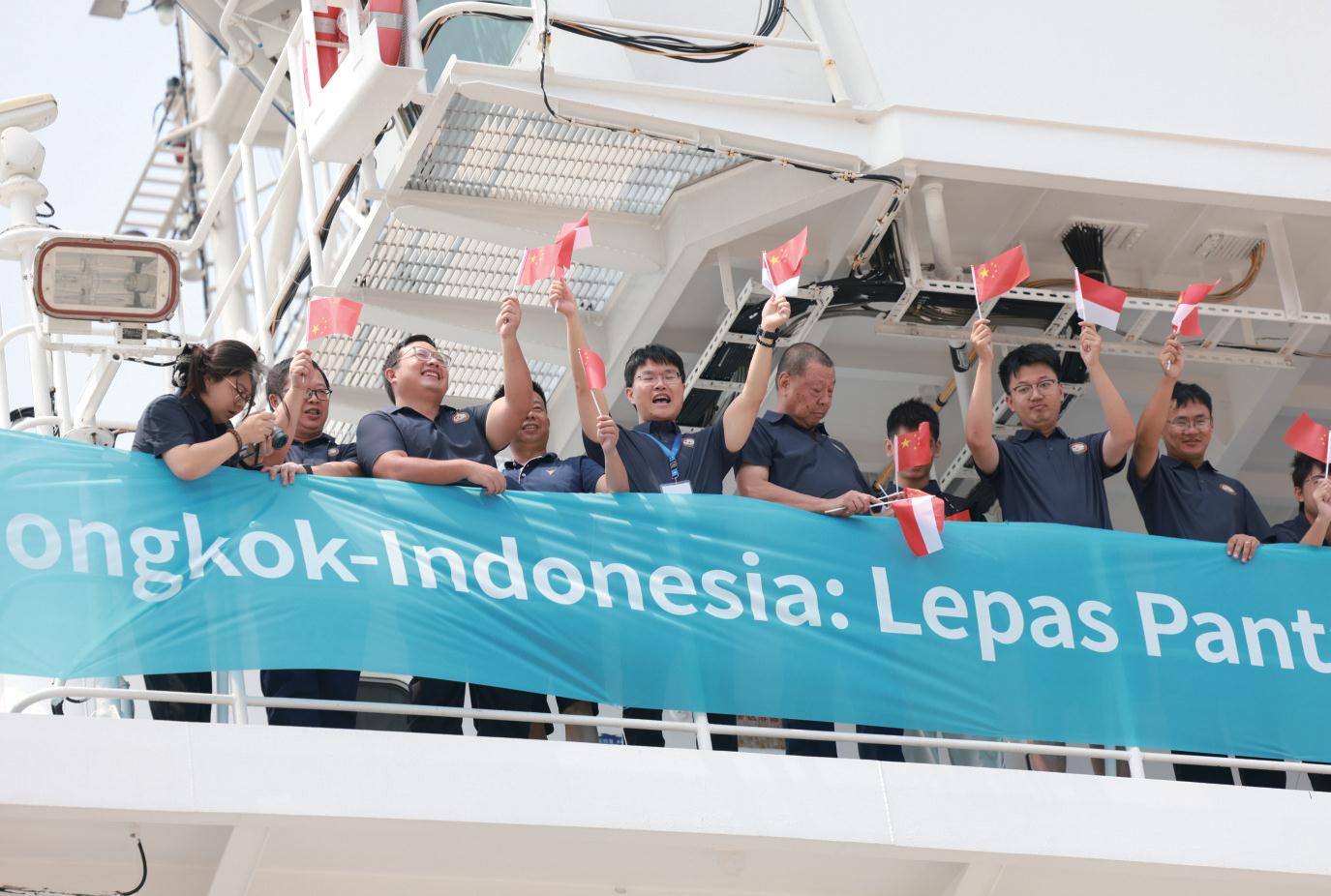
Core Points - The China-Indonesia geological and geophysical joint scientific expedition has commenced, marking a significant collaboration in marine science between the two countries [2][3] - The expedition is organized by the Second Institute of Oceanography and involves 15 Chinese scientists and 12 Indonesian scientists aboard the "Jiageng" research vessel [2] - The focus of the expedition is on the deep structure of the Java subduction zone, conducting explorations such as underwater seismic and electromagnetic surveys [2] Summary by Categories Collaboration and Partnerships - The collaboration between the Second Institute of Oceanography and Indonesian institutions has a long history, with previous agreements signed for marine science cooperation [3] - This joint expedition represents a critical step from framework cooperation to practical implementation, enhancing scientific collaboration [3] Scientific Objectives - The expedition aims to investigate the deep structure, dynamic evolution, and geological characteristics of the lithosphere in the Java Sea area [2] - The results of the expedition are expected to contribute to the development of plate convergence theory and provide technological support for marine earthquake and tsunami disaster warning [2]