极端天气影响农业生产

Search documents
“今年怎么会这么难”?先旱后涝的秋收:农户手掰背扛抢收,玉米霉变发芽
第一财经· 2025-10-18 09:37
Core Viewpoint - The article highlights the severe impact of extreme weather conditions, particularly continuous rainfall, on the harvest of corn and other crops in key agricultural regions of China, leading to significant financial losses for farmers [3][11]. Group 1: Weather Impact on Agriculture - Farmers in regions like Henan, Shandong, and Anhui are facing challenges due to continuous rainfall during the harvest season, which complicates the collection and drying of crops, severely affecting yields and income [4][5]. - In September, Henan province recorded an average rainfall of 349.6 mm, 2.6 times higher than the historical average for the same period, marking the highest level since records began in 1961 [5]. - Shandong province reported an average rainfall of 246.5 mm since autumn began, 269% above the norm, also the highest since 1951, leading to soil saturation and difficulties in harvesting [5][6]. Group 2: Crop Damage and Financial Losses - Farmers like Wu Yang and Wang Jian reported drastic reductions in income, with corn prices dropping to around 0.5 yuan per kilogram, compared to over 1 yuan in previous years, resulting in losses that exceed their production costs [12][13]. - The average yield per mu (approximately 0.067 hectares) has plummeted, with reports indicating that farmers are struggling to recover even the costs of seeds and fertilizers due to low selling prices [12][13]. - Many farmers resorted to manual harvesting methods due to the inability of conventional harvesting machines to operate in waterlogged fields, leading to increased labor costs and inefficiencies [6][8]. Group 3: Government Response and Support - The Ministry of Agriculture and Rural Affairs has mobilized over 200,000 tracked harvesters to assist in the affected regions, aiming to expedite the harvesting process [11][12]. - Emergency measures have been implemented to increase the availability of grain drying services, with thousands of drying points established across affected provinces to help mitigate losses from wet crops [14][16]. - The government has urged local cooperatives to enhance coordination and resource allocation to ensure timely harvesting and drying of crops, emphasizing the importance of maintaining grain quality for future production [16].


今年涨价最猛的水果,快吃不起了
36氪· 2025-07-13 23:52
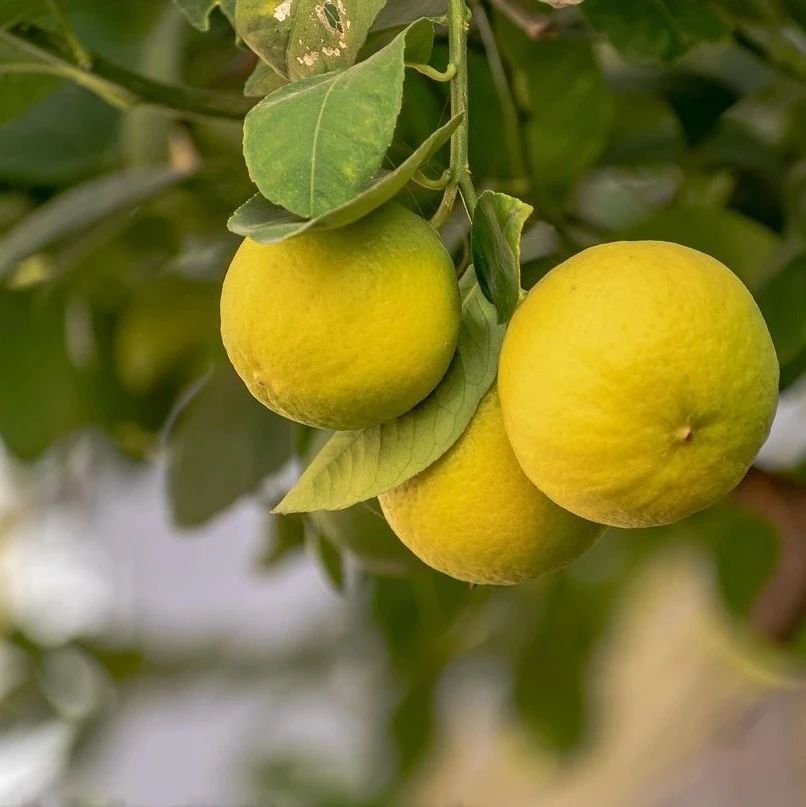
Core Viewpoint - The significant price increase of lemons in China is attributed to various factors including climate conditions, supply chain vulnerabilities, and global market dynamics [4][10][22]. Group 1: Price Trends - The price of yellow lemons has surged dramatically, with retail prices reaching 10 to 15 yuan per pound, and premium A-grade lemons priced at 29.9 yuan per pound [4][12]. - Compared to last year, the price of lemons has increased threefold, with wholesale prices rising from 9.5 yuan per kilogram at the beginning of the year to 14.02 yuan per kilogram by the end of June [7][10][20]. Group 2: Supply Chain and Production Issues - The primary production area for lemons in China is concentrated in regions south of the Yangtze River, particularly in Sichuan's Anyue County, which accounts for over 70% of the national lemon output [13][15]. - Extreme weather conditions, including high temperatures and drought, have significantly impacted lemon production, leading to a 40% decrease in yield compared to last year [15][21]. - Global lemon supply has also been affected, with major producing countries like Turkey and Argentina facing adverse weather, resulting in a projected 6% reduction in global lemon production by 2025 [20]. Group 3: Impact on Beverage Industry - The rising cost of lemons raises concerns about potential price increases for lemon-based beverages, which are crucial for many tea brands [5][24]. - Major tea brands like Mixue Ice City have established stable supply chains to mitigate the impact of rising lemon prices, securing a significant portion of their lemon supply from local producers [27][30]. - Many tea brands are currently using lower-cost alternatives like Guangdong fragrant lemons, which are priced at 1 to 2 yuan per pound, to maintain competitive pricing [29][30].