核潜伏

Search documents
重启即翻车!日本最大核电站为何“烂而不倒”?
Xin Lang Cai Jing· 2026-02-14 11:26
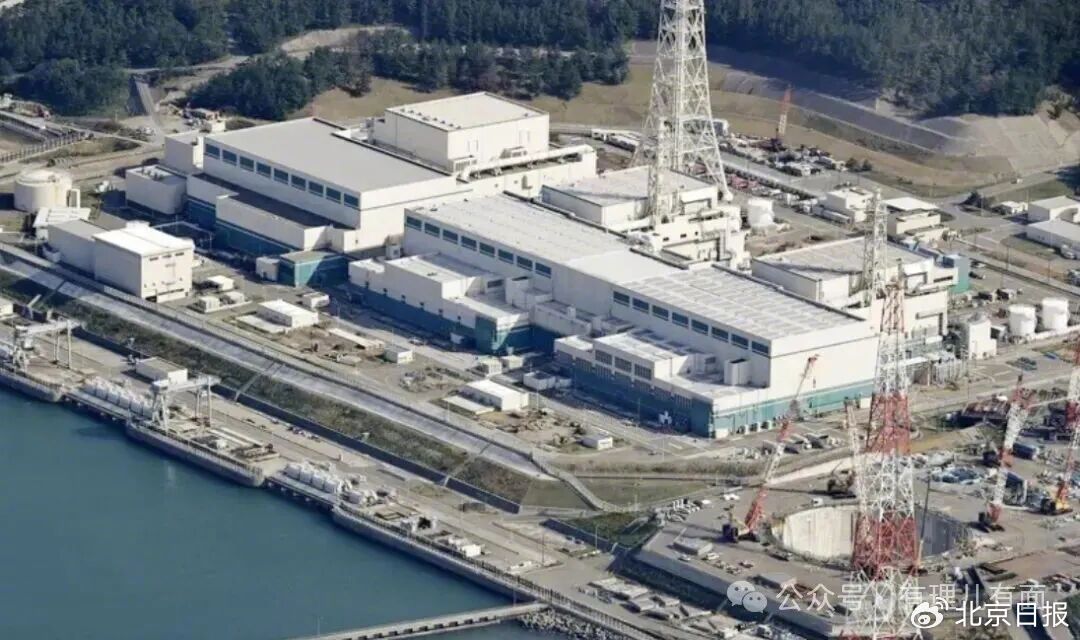
Core Viewpoint - The recent operational issues at the Kashiwazaki-Kariwa Nuclear Power Plant, including equipment malfunctions and public distrust, highlight the ongoing challenges faced by Tokyo Electric Power Company (TEPCO) in managing nuclear energy safely and effectively [1][3][27]. Group 1: Operational Issues - On February 12, a measurement instrument at the Kashiwazaki-Kariwa Nuclear Power Plant's Unit 6 became stuck during insertion, leading to a delay in the planned trial power generation set for February 15 [1]. - This incident follows a series of operational failures, including a control rod extraction alarm shortly after the plant's restart on January 21, which was attributed to a sensitivity setting error [3][8]. - The repeated technical failures raise questions about TEPCO's capability to operate nuclear power plants safely [3][27]. Group 2: Public Sentiment and Trust - Local residents express significant distrust towards TEPCO, questioning the company's ability to manage complex nuclear operations safely [3][5]. - The public's anger is rooted in the historical context of the Fukushima disaster, with many believing that TEPCO should have been dissolved following the incident [5][6]. - The sentiment reflects a broader concern about the safety and reliability of nuclear energy in Japan, particularly in light of recent operational issues [6][26]. Group 3: Economic and Political Factors - The Kashiwazaki-Kariwa plant, with a total capacity of approximately 8.212 million kilowatts, is crucial for Japan's energy supply, providing nearly half of the electricity needed for the Tokyo metropolitan area [8]. - TEPCO has invested over 800 billion yen in upgrades to meet new safety standards post-Fukushima, making the plant's closure economically unfeasible due to high dismantling costs [8][10]. - The plant is seen as essential for TEPCO's financial recovery, potentially generating an additional 100 billion yen in annual revenue, which is critical given the company's liabilities from the Fukushima disaster [10][27]. Group 4: Regulatory and Systemic Issues - The regulatory framework in Japan has been criticized for its failure to effectively verify the data submitted by TEPCO, leading to a culture of complacency and lack of accountability [19][26]. - There are concerns about the collusion between TEPCO and political entities, as the company is a significant source of political funding and support for many politicians [19][26]. - Japan's energy policy has shifted towards maximizing nuclear power usage due to the country's limited natural resources, further entrenching the reliance on problematic nuclear facilities [19][27]. Group 5: Nuclear Ambitions - Japan's nuclear energy strategy is intertwined with its geopolitical considerations, as the country maintains a significant stockpile of separated plutonium, raising concerns about potential military applications [21][22]. - The ongoing operation of nuclear power plants is viewed as a strategic asset in Japan's broader security framework, despite public opposition and safety concerns [22][27]. - The situation reflects a complex interplay of energy needs, economic pressures, and national security considerations, leading to a reluctance to permanently close problematic nuclear facilities [26][27].

有理儿有面:日本处于核潜伏状态
Xin Lang Cai Jing· 2026-02-14 11:25
Core Viewpoint - Japan's nuclear power sector is facing operational challenges, exemplified by the recent incident at the Kashiwazaki-Kariwa Nuclear Power Plant, which highlights the underlying issues within Tokyo Electric Power Company (TEPCO) and raises concerns about Japan's nuclear strategy and potential for nuclear armament [1] Group 1: Incident Overview - On February 12, Tokyo Electric Power Company reported that a monitoring instrument at the Kashiwazaki-Kariwa Nuclear Power Plant's Unit 6 became stuck during insertion, delaying the planned trial power generation set for February 15 [1] - This incident is not isolated, as it marks another operational failure for the Kashiwazaki-Kariwa plant, indicating ongoing difficulties within TEPCO [1] Group 2: Nuclear Strategy Implications - The situation at the nuclear plant reflects broader issues within TEPCO, which is described as having significant financial troubles, yet continues to receive government support to restart nuclear facilities [1] - There are speculations that Japan is in a "nuclear latent" state, meaning it has the capability to develop deployable nuclear weapons quickly, despite not currently having them [1] - For Japan's right-wing factions, which are eager to revise the "Three Non-Nuclear Principles" and pursue nuclear sharing or even armament, each operational nuclear power plant serves as a strategic asset [1]
事关日本,这是“基辛格最令人警醒的预言之一”
Xin Lang Cai Jing· 2025-12-28 16:22
Core Viewpoint - Former U.S. Secretary of State Henry Kissinger warned that Japan is moving towards developing nuclear weapons within five years, reflecting its ambition to restore its pre-war military status [2] Group 1: Japan's Nuclear Ambitions - Japan has both political motivation and technical capability to develop nuclear weapons in less than three years, aligning with Kissinger's warning [2] - Japan's Prime Minister, Fumio Kishida, has touched on the "three non-nuclear principles," attempting to create a legal breakthrough for future policy adjustments [2] - A senior official in the Prime Minister's office suggested that Japan should possess nuclear weapons, indicating a shift in security policy discussions [2] Group 2: Technical Capabilities - Japan has sufficient industrial capacity to produce more advanced nuclear weapons than countries like India and Pakistan, and it has stockpiled significant amounts of nuclear fuel under the guise of civilian nuclear power [3] - Japan possesses a complete nuclear fuel cycle but does not currently have nuclear weapons, making it unique globally [4] - As of August, Japan has approximately 44.4 tons of separated plutonium, with 8.6 tons stored domestically, which exceeds the amount needed to create nuclear weapons [4]