欧洲安全局势

Search documents
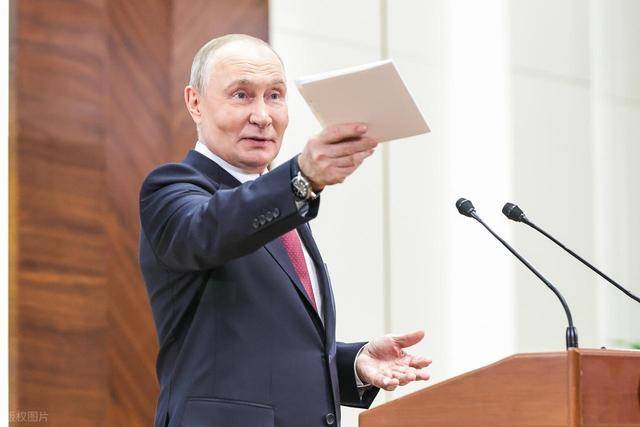
普京突然放话:我保证不打欧洲!欧盟:四年前你也说不打乌克兰
Sou Hu Cai Jing· 2025-11-30 09:12
Group 1 - Russian President Putin assured that Russia would not take military action against European countries, but this statement raised skepticism due to past promises that were not upheld [1][2][4] - European leaders, including EU Commission President von der Leyen, quickly dismissed Putin's guarantees, recalling his previous denials before the invasion of Ukraine [4][6] - Eastern European countries remain on high alert, perceiving ongoing threats from Russia through hybrid warfare tactics such as drone attacks and misinformation [6] Group 2 - Putin's statements appear to be aimed more at Washington than Europe, as he acknowledged the potential value of a peace proposal from Trump's team, indicating a desire to engage directly with the U.S. [8][9] - Europe is firmly committed to supporting Ukraine and has accelerated military spending in response to perceived threats, with Germany approving its largest defense budget and France promoting a European army concept [9][10] - The conditions set by Putin for a ceasefire, which include the withdrawal of Ukrainian forces from territories claimed by Russia, are seen as unacceptable by both Ukraine and the Biden administration [11][13] Group 3 - The ongoing conflict is characterized as a struggle between rules and power, with Europe unwilling to compromise on sovereignty principles, fearing that concessions would lead to further territorial demands from Russia [14][15]

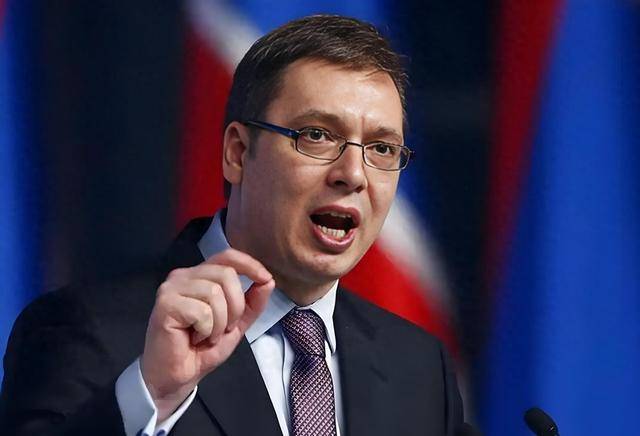
武契奇说了大实话!乌克兰战败后,欧洲已经准备和俄罗斯打仗了
Sou Hu Cai Jing· 2025-11-15 07:10
Core Viewpoint - The situation in Europe is increasingly tense due to rising military expenditures, strained frontlines, and delayed meetings, with warnings from leaders indicating a potential escalation in conflict if the situation in Ukraine deteriorates further [1][24]. Group 1: Military Situation - The city of Pokrovsk is identified as a critical point for Ukrainian forces on the eastern front, with intensified artillery exchanges and urban combat indicating a high-pressure environment [3][5]. - As of October, urban warfare has escalated, with both sides struggling for control and facing supply challenges, leading to a significant impact on the overall structure of the eastern front [5][9]. - Reports indicate that the intensity of combat has reached a critical level, with Ukrainian special forces being deployed to support frontline operations against advancing Russian troops [5][7]. Group 2: European Military Support - European military support for Ukraine has noticeably decreased, with funding levels in July and August being significantly lower than in the first half of the year, raising concerns about the implications for the ongoing conflict [7][9]. - The shift in aid mechanisms is evident, moving from direct military supplies to more complex financial arrangements, such as the PURL mechanism, which involves prioritizing equipment needs and funding through the U.S. [13][20]. - Discussions within Europe regarding long-term aid risks are increasing, with internal debates highlighting the need for further consultations and consensus on support for Ukraine [13][16]. Group 3: Financial Mechanisms and Asset Management - The frozen assets of the Russian central bank have become a focal point for funding Ukraine, with discussions on utilizing the interest generated from these assets to support Ukrainian financial needs [18][22]. - A proposed "compensation loan" scheme, leveraging frozen assets as collateral for substantial loans to Ukraine, has sparked legal and financial debates within the EU, with concerns about compliance with international law [20][22]. - The EU's decision to issue additional loans based on the revenue from frozen assets demonstrates a commitment to supporting Ukraine while navigating complex financial and legal frameworks [22][24]. Group 4: Political and Strategic Implications - The warning from Serbian President Aleksandar Vučić about the rising possibility of war has resonated throughout Europe, highlighting the urgency of military preparedness among various nations [24][26]. - The ongoing military build-up and procurement efforts across Europe reflect a broader strategy to enhance security in response to perceived threats, with discussions on defense budgets and military readiness becoming commonplace [11][24]. - The accumulation of documents and discussions within European political circles indicates a growing recognition of the need for a cohesive response to potential escalations in the conflict [15][16].
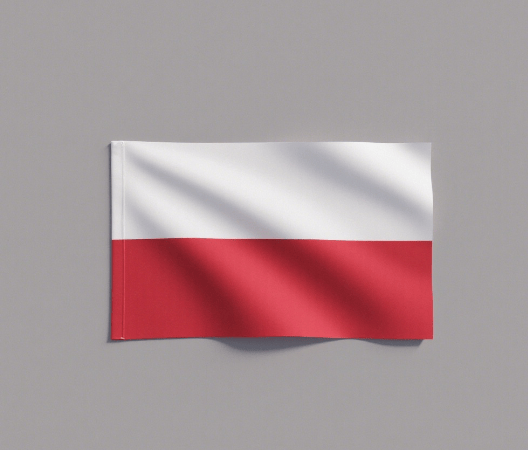
从波兰视角看,欧洲安全局势将如何演变?
Sou Hu Cai Jing· 2025-07-22 02:37
Core Viewpoint - The Polish Defense Minister predicts a potential global military conflict between Russia and NATO by 2027, raising concerns about escalating international tensions [1][3]. Group 1: Context of the Prediction - The ongoing Russia-Ukraine conflict has heightened global concerns, particularly for Poland, which perceives a significant threat from Russia [3]. - The Polish Defense Minister believes that if Russia achieves certain objectives in Ukraine, it may seek to expand further into Eastern Europe, with Poland being the most vulnerable [3]. Group 2: Military Dynamics - Both Russia and NATO possess substantial military capabilities, making a full-scale conflict unlikely due to the catastrophic consequences, especially considering nuclear weapons [3][4]. - NATO is not a monolithic entity; member countries have differing views and interests, which could affect their willingness to engage in a direct conflict with Russia [4]. Group 3: Poland's Military Strategy - The prediction may serve Poland's national interests, as the country has been significantly increasing its military spending and capabilities [4]. - By emphasizing the "Russian threat," Poland may justify further military expenditures and strengthen ties with the United States and other NATO allies [4].