欧洲对俄政策

Search documents
波兰总统震撼发声:别再把俄当敌人!欧洲反俄团结彻底露馅
Sou Hu Cai Jing· 2026-01-06 07:07
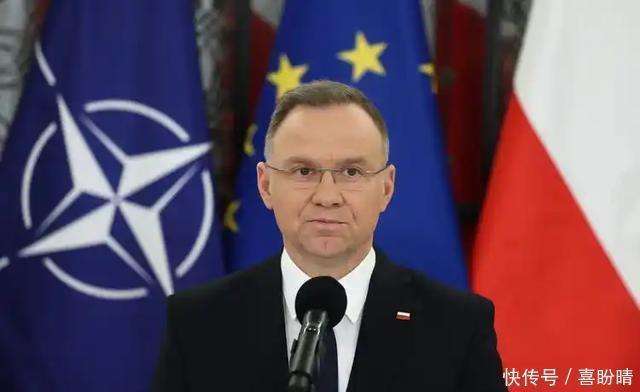
Group 1 - The core debate in Poland regarding the EU's policy towards Russia highlights a significant division, with President Duda advocating for a shift away from viewing Russia as the main enemy, while Prime Minister Tusk insists on maintaining a hardline stance due to perceived threats [2][3][4] - Tusk argues that relaxing vigilance towards Russia could jeopardize European security and undermine support for Ukraine, emphasizing the necessity of sanctions as a means to uphold democratic values [3][4] - Duda counters that Europe's security should not rely solely on confrontational sanctions but rather on establishing a diverse security framework that includes dialogue and cooperation with neighboring countries, including Russia [3][4] Group 2 - The public disagreement between the Polish President and Prime Minister reflects a broader split within the EU regarding its approach to Russia, with some member states beginning to question the sustainability of ongoing sanctions due to economic repercussions [4][5] - The EU's sanctions against Russia have reportedly resulted in over €1 trillion in losses for the bloc, raising concerns about the long-term viability of such measures and their impact on European economic interests [5][6] - The EU's trade with Russia has plummeted from €417 billion in 2013 to approximately €60 billion in 2023, indicating a drastic reduction in economic ties that has led to soaring energy prices and business closures across Europe [5][6] Group 3 - The EU's energy crisis response involves seeking alternative energy supplies, with the EU Energy Agency playing a crucial role in coordinating imports from other regions, although specific procurement costs remain undisclosed [6] - There is a growing sentiment among various countries within the anti-Russian coalition, including the US, to explore localized cooperation with Russia, indicating a potential shift in strategy [6][7] - The myth of European unity against Russia is fading, suggesting that pragmatic dialogue may be the more effective path forward for the EU [7]

欧洲幻想时代终结?图斯克,北溪2号是错,低估普京更危险
Sou Hu Cai Jing· 2025-11-06 07:56
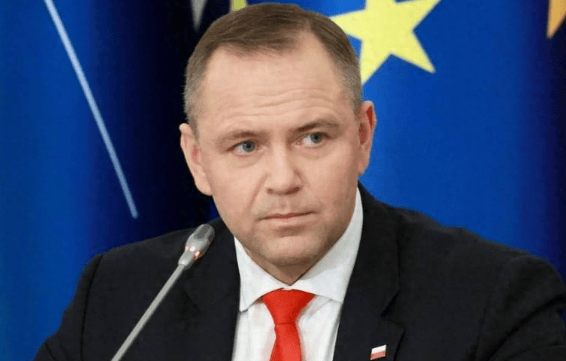
Core Viewpoint - The article emphasizes the risks associated with the Nord Stream 2 project and warns against the potential for Europe to resume economic ties with Russia post-war, highlighting the need for a long-term security perspective over short-term economic gains [1][4][11]. Group 1: Risks of Nord Stream 2 - Tusk warns that the Nord Stream 2 project poses significant risks, suggesting that if it had never been built, Europe would have faced fewer troubles [3][6]. - The project was completed in 2021, with many European countries focusing on the cheap Russian gas while neglecting long-term security concerns [3][6]. - The destruction of Nord Stream 2 in 2022 amid the Ukraine invasion underscores the dangers of reliance on Russian energy, with Tusk stating that the issue lies not in its destruction but in its initial construction [6][11]. Group 2: European Unity and Security - Tusk expresses concern that Europe often misjudges Russia's intentions and underestimates the threat posed by Putin, indicating that the era of European complacency is over [8][11]. - He highlights internal divisions within the EU regarding the handling of Russian-related issues, as seen in Poland's refusal to extradite suspects linked to the Nord Stream sabotage [9]. - The departure of the UK from the EU has complicated the bloc's unified stance on Russia, making it harder to coordinate policies and support for Ukraine [9][11]. Group 3: Future Considerations - Tusk warns that post-war Europe will face a critical choice between pursuing short-term economic benefits and ensuring long-term security [11][13]. - He stresses that any attempt to restart economic cooperation with Russia could weaken support for Ukraine and threaten Poland's security [11][13]. - The article concludes with a call for Europe to learn from past mistakes and unify its stance against Russia to maintain stability across the continent [13].