欧盟农业政策

Search documents
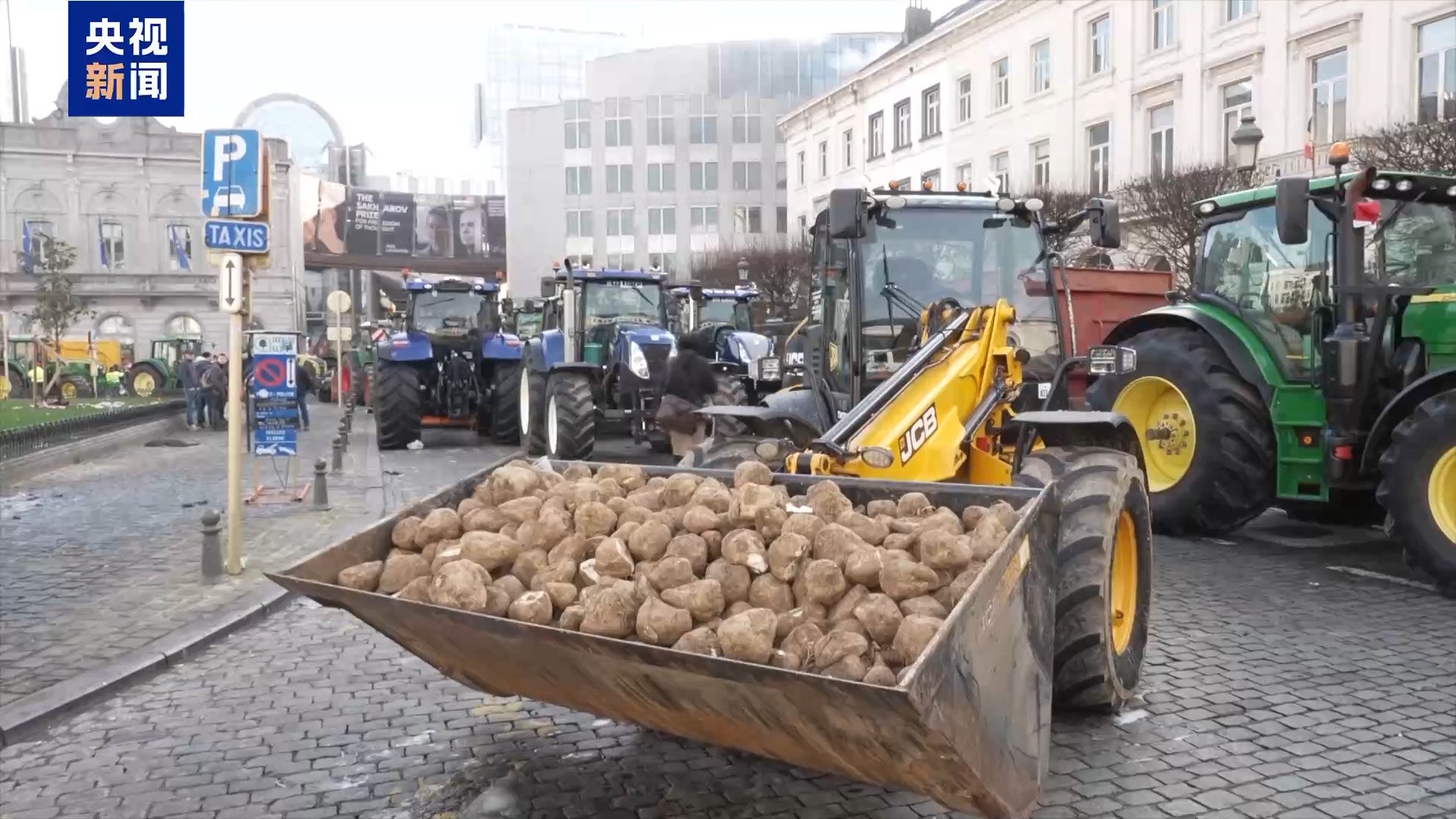
愤怒的欧洲农民包围欧盟总部,焚烧轮胎,抗议欧盟农业政策
Sou Hu Cai Jing· 2025-12-25 04:49
Core Viewpoint - The protest in Brussels reflects the desperation of European farmers facing multiple pressures, leading to a significant backlash against EU policies that are perceived to undermine their livelihoods [4][12]. Group 1: Causes of the Protest - The EU's trade policies, particularly the allowance of duty-free imports of low-cost agricultural products from Ukraine, have severely impacted local farmers, with Polish wheat prices dropping by 40% [4]. - The proposed free trade agreement with South American countries, which would allow low-cost beef, sugar, and soybeans to flood the European market, has made farmers feel betrayed by the EU [6]. - Rising production costs due to carbon taxes and fluctuating energy prices have increased the cost of farming, while the prices of agricultural products remain suppressed, leading to reduced farmer incomes [9]. - The EU's Green Deal, which imposes strict regulations on pesticide and fertilizer use, has further burdened farmers, who feel disadvantaged compared to competitors from regions without such restrictions [12]. Group 2: Nature of the Protest - Farmers expressed their discontent through extreme measures, including burning tires and blocking major roads in Brussels, while also throwing unsold produce at police and EU buildings [15]. - The protest highlighted deep divisions within the EU, with countries like France and Poland advocating for the protection of agriculture, while others prioritize industrial exports [18]. Group 3: EU Response - In response to the protests, the EU made concessions, including withdrawing a proposed regulation to reduce pesticide use and temporarily exempting farmers from land fallow requirements [21]. - The EU also postponed plans to sign a free trade agreement with South American countries following strong opposition from leaders in France and Italy [21]. Group 4: Implications - While the protest achieved tactical victories for farmers, it serves as a warning for the EU about the potential backlash when political agendas and free trade policies compromise the livelihoods of ordinary citizens [23].

总台现场直击丨欧洲各地上万农民聚集布鲁塞尔举行抗议
Yang Shi Xin Wen· 2025-12-19 01:24
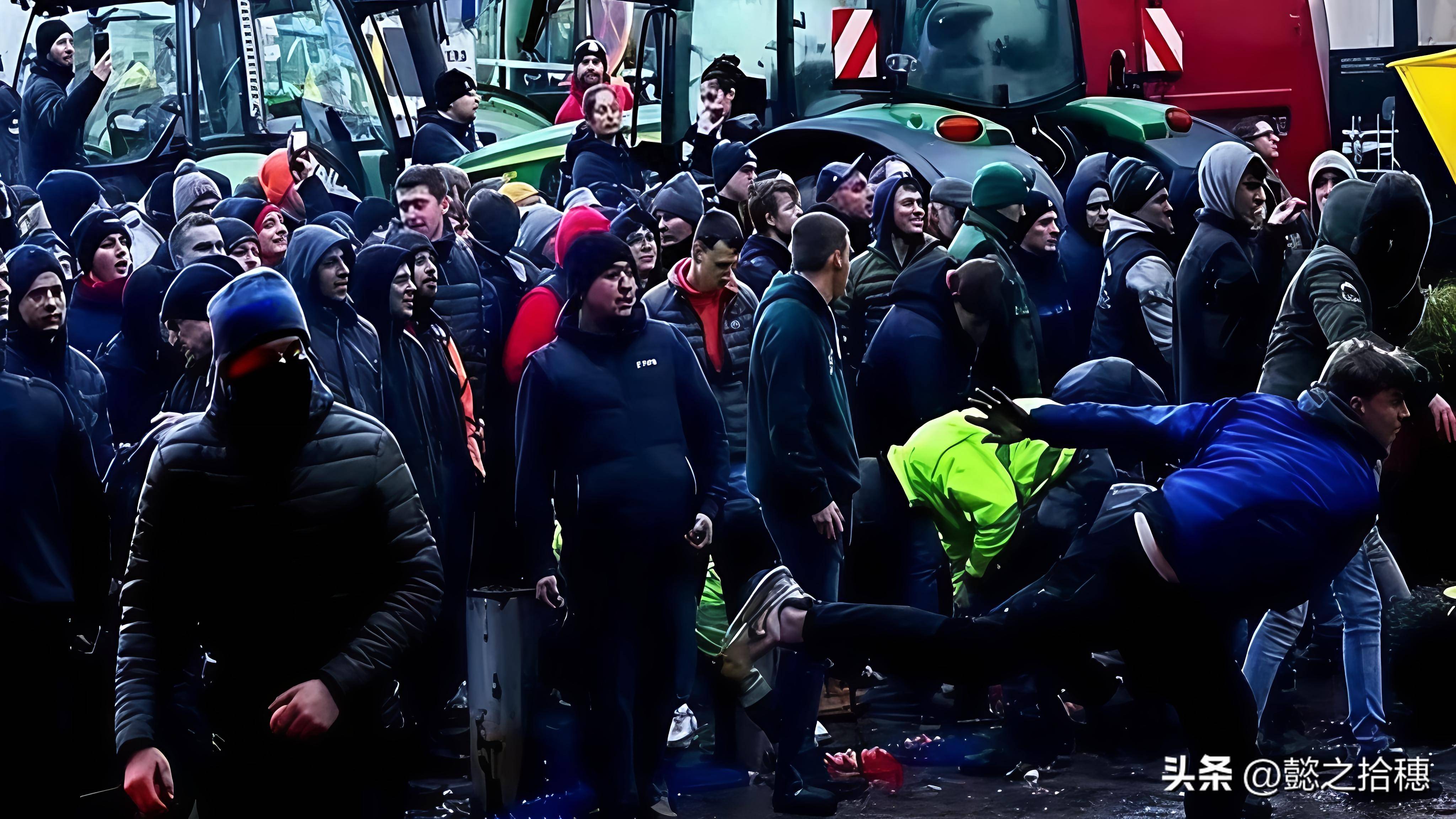
Core Viewpoint - The protest by approximately 10,000 farmers in Brussels highlights significant concerns regarding EU policies impacting agricultural product prices, particularly in light of the EU's free trade agreements with the Southern Common Market and the influx of Ukrainian agricultural products due to the Russia-Ukraine conflict [1][2]. Group 1: Protest Details - The protest involved farmers from 40 to 45 national agricultural organizations, marking a significant collective action in Brussels [2]. - Farmers expressed their frustrations through various means, including burning trash and clashing with police, indicating a high level of tension at the event [1]. Group 2: Economic Impact - The influx of Ukrainian agricultural products has led to a drastic decline in prices for Polish wheat, dropping from over 1,000 zloty per ton to 600 zloty (approximately 1,300 RMB), affecting not only wheat but also poultry, honey, and other agricultural products [4]. - Farmers are facing a challenging environment due to fluctuating purchasing power of supermarkets, price volatility, and rising costs of energy, fertilizers, and feed, which complicates their financial stability [4]. Group 3: Broader Implications - The ongoing Russia-Ukraine conflict has exacerbated challenges in European agricultural production, leading to increased operational costs and heightened competition due to EU trade arrangements [6]. - Farmers are concerned that EU decisions are not aligned with their interests, suggesting a disconnect between policy-making and the realities faced by the agricultural sector [5].