欧美关系

Search documents
欧洲人又被美国忽悠了
Xin Lang Cai Jing· 2026-02-15 07:27
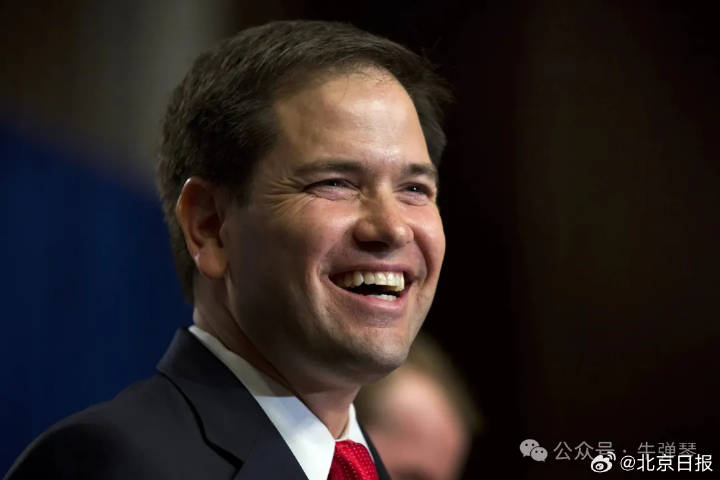
Core Viewpoint - The speech by U.S. Secretary of State Rubio at the Munich Security Conference received a warm reception from the audience, contrasting with the previous year's speech by Vance, which was met with criticism from Europeans [2][4]. Group 1: Reception and Impact - Rubio's speech was well-received, with many attendees standing and applauding, indicating a positive response from European audiences [2]. - The contrast between Rubio's diplomatic approach and Vance's confrontational style highlights the effectiveness of storytelling in diplomacy [21]. Group 2: Historical Context and Narrative - Rubio emphasized the historical ties between the U.S. and Europe, citing examples of shared heritage and contributions from various European groups to American identity [9][10]. - The narrative presented by Rubio was described as compelling, though it was noted that it selectively omitted significant aspects, such as the contributions of African Americans and Native Americans [11]. Group 3: Underlying Issues and Realities - Despite the warm reception, the underlying issues such as trade, climate change, and immigration remain unresolved, with Rubio's speech not offering any concessions on these fronts [12][19]. - The perception of U.S. concern for Europe was critiqued as being more about self-interest than genuine care, with the emotional appeal masking the cold realities of U.S. policies [13][19]. Group 4: European Sentiment and Future Outlook - European leaders expressed relief and comfort in Rubio's assurances, reflecting a desire for reassurance from the U.S. despite ongoing tensions [16][22]. - The article suggests that Europe harbors illusions about U.S. intentions and should strive for greater self-reliance in international affairs [18][22].

马克龙:面对特朗普,这种策略已行不通
Xin Lang Cai Jing· 2026-02-10 10:28
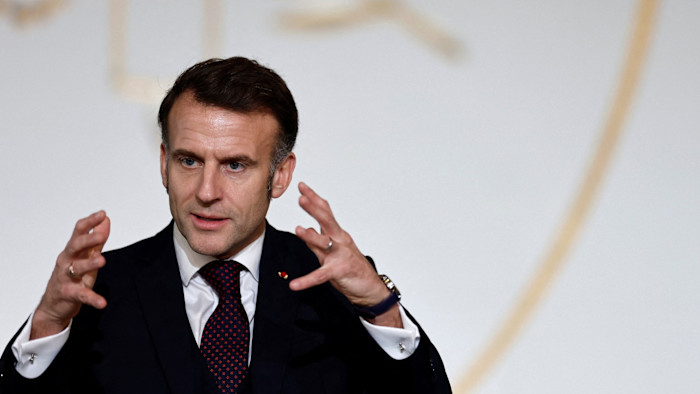
Group 1 - The core viewpoint is that the EU should not develop a "false sense of security" regarding its relationship with the US, particularly in light of threats from President Trump concerning Greenland and other issues [1][4]. - Macron emphasizes that the EU should not yield or seek compromise when facing aggressive actions from the Trump administration, as previous strategies have proven ineffective [3][7]. - The current situation is described as one of "permanent turmoil," with the EU facing an openly anti-EU and contemptuous US government [3][7]. Group 2 - Macron warns that the crisis surrounding Greenland is not over, and there may be upcoming conflicts between the EU and the Trump administration regarding technology company regulations [3][7]. - The EU has implemented stricter rules on data privacy, hate speech, and taxation of the tech industry, which has drawn strong dissatisfaction from the US [3][7]. - There is a potential for the US to retaliate against EU countries planning to ban children from using American social media platforms, which poses a significant challenge for the EU [3][7].
马克龙:面对特朗普时欧盟不应屈服或寻求妥协,这种策略已被证明行不通
Huan Qiu Wang· 2026-02-10 10:00
Group 1 - The core viewpoint is that the European Union should not feel a "false sense of security" regarding the tensions with the Trump administration, as the situation remains in a state of permanent turmoil [1][3] - Macron emphasizes that the EU should not yield or seek compromise in the face of aggressive actions from the Trump government, as previous strategies have proven ineffective [3] - The ongoing crisis surrounding Greenland is not resolved, and potential conflicts may arise between the EU and the Trump administration over technology company regulations [3] Group 2 - The EU is implementing stricter rules on data privacy, hate speech, and taxation of the tech industry, which has led to strong dissatisfaction from the United States [3] - Macron warns that the U.S. may take retaliatory measures against EU countries planning to ban children from using American social media platforms, presenting a significant challenge for the EU [3]
德国总理:欧洲必须通过更强的竞争力展现自信
Yang Shi Xin Wen· 2026-01-29 10:03
Core Viewpoint - The article highlights German Chancellor Merz's emphasis on the need for Europe to exhibit new confidence in the face of a changing global order, advocating for independent security, enhanced competitiveness, and unity within Europe [1] Group 1: European Security and Competitiveness - Merz stated that Germany does not intend to politically submit to the United States, emphasizing that the relationship between Germany and the U.S. is one of partnership and alliance, not a subordinate relationship [1] - He called for strengthening NATO's capabilities within Europe, indicating a push for greater military cooperation and readiness among European nations [1] - A special EU summit is scheduled for February, focusing on how the EU can regain its competitiveness in the global market [1] Group 2: Criticism of U.S. Statements - Merz criticized U.S. remarks regarding allies' roles in the Afghanistan war, asserting that Germany will not allow its soldiers to be disrespected or disparaged [1]
欧洲能否继续成为乌克兰的靠山
Sou Hu Cai Jing· 2026-01-26 10:52
Core Viewpoint - Europe is unable to independently support Ukraine amidst the ongoing crisis, relying heavily on Western allies, particularly the United States, for military and financial assistance [1] Military Support - The U.S. provides over one-third of Western aid to Ukraine, including advanced weaponry and intelligence support, which Europe cannot match due to its limited military production capabilities [1] - France's President Macron stated that Europe has contributed everything possible but cannot provide what it does not have, highlighting the limitations of European military support [1] Financial Assistance - Since February 2022, the EU and its 27 member states have mobilized approximately €177.5 billion in financial support for Ukraine, with military aid amounting to around €63-65 billion [1] - The total financial outlay by the EU for Ukraine over the past three and a half years is nearly €390 billion, averaging about €110 billion annually, which is less than 0.7% of the EU's annual GDP of €17.9 trillion [1] Economic Impact - The ongoing crisis has severely impacted Europe's economic competitiveness, with Germany experiencing two consecutive years of economic contraction and France facing frequent changes in leadership due to budget issues [1] - The EU's sanctions against Russia have led to a significant reduction in economic ties, which has further strained European economies [1] Internal Divisions - Disagreements within the EU regarding support for Ukraine are increasing, with some member states refusing to share the financial burden of aid [1] - The EU's recent attempts to utilize frozen Russian assets for Ukrainian aid have faced resistance, indicating a growing reluctance among member states to continue funding the crisis [1] Future of Ukraine in the EU - The EU is accelerating Ukraine's accession process, with potential membership discussions expected to conclude by the end of 2028, but this raises concerns about the implications for EU governance and resource allocation [1] - Central and Eastern European countries express reservations about Ukraine's membership, fearing it could dilute their influence and complicate EU dynamics [1] Military Deployment Discussions - Major European powers have shown reluctance to commit troops to Ukraine, with Poland and France both indicating they will not participate in military deployments [1] - Security concerns from Baltic states further complicate the trust in larger European nations regarding their commitment to Ukraine [1] Long-term Support Concerns - If Ukraine loses its ability to resist Russia and faces economic challenges, European support may diminish, potentially leading to Ukraine becoming a burden on the EU integration process [1]
前欧盟委员会主席:欧美关系跌至北约成立以来最低谷
Xin Lang Cai Jing· 2026-01-26 08:30
Core Viewpoint - The relationship between the US and Europe is at its lowest point since NATO's founding, driven by the US's destructive diplomatic practices, prompting allies to reassess transatlantic relations [1] Group 1: Shifts in US-Europe Relations - The current state of US-Europe relations is increasingly driven by interests rather than shared democratic values, marking a "breakage phase" in their traditional partnership [1] - The Greenland dispute has shaken European leaders' and the public's confidence in the US [1] Group 2: Defense and Sovereignty - In the defense sector, European leaders are accelerating efforts to promote "European sovereignty" amid pressure from the Trump administration regarding defense spending [1] - Barroso suggests that if NATO is to be preserved, it will need to become more Europeanized, emphasizing that Europe should not solely rely on the US and should prioritize strengthening its own defense capabilities [1]
比利时首相:美国越过太多红线 欧美或将分裂
Xin Lang Cai Jing· 2026-01-21 11:18
Core Viewpoint - Belgium's Prime Minister De Wever emphasizes that Europe must confront the United States over its excessive tolerance and reliance, indicating a critical juncture for transatlantic relations [1][3] Group 1: European Dependence on the U.S. - Europe has been overly accommodating towards the U.S., particularly under the new presidential administration, leading to a precarious situation [1] - The Prime Minister suggests that Europe has reached a point where it must choose between maintaining dignity and continuing as a subordinate to the U.S. [1] Group 2: Potential Consequences of U.S.-Europe Relations - De Wever warns that if the current trajectory continues, the longstanding transatlantic relationship, which has lasted for 80 years, could come to an end [3] - The upcoming meeting between De Wever and President Trump is expected to convey a strong message about crossing red lines, emphasizing the need for a decisive stance [3]
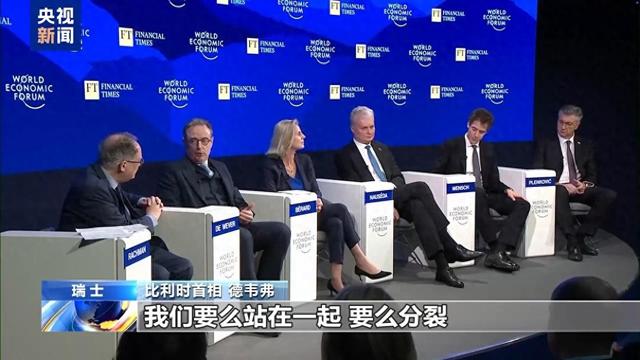
比利时首相:美国越过太多红线,欧美或将分裂
Xin Lang Cai Jing· 2026-01-21 10:20
Group 1 - The core viewpoint expressed by Belgian Prime Minister De Wever is that Europe is at a critical juncture where it must decide whether to continue its dependency on the United States or to assert its own dignity and independence [1][3] - De Wever emphasizes that Europe has been overly tolerant towards the U.S. and that numerous red lines have been crossed, indicating a need for a shift in approach [1] - The upcoming meeting between De Wever and U.S. President Trump is expected to convey a strong message that the transatlantic relationship could end if the current trajectory continues, marking a potential end to 80 years of cooperation [3]
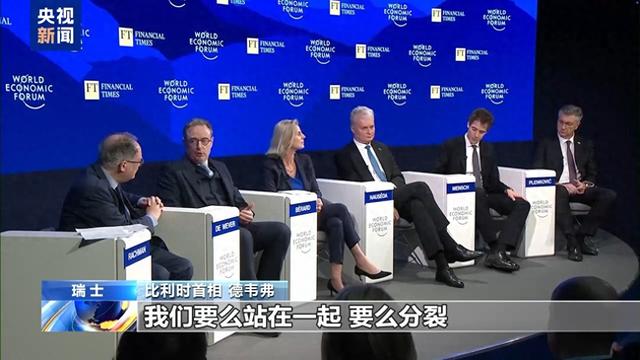
多国领导人被曝私下建群“专防特朗普”
第一财经· 2026-01-21 04:17
Core Viewpoint - The article highlights a significant shift in European leaders' perception of the United States as an unreliable trade partner and security ally, prompting calls for strong countermeasures from Europe against U.S. provocations [3]. Group 1 - Several unnamed European diplomats have described the recent policy shift of the U.S. as "madness" and "out of control," indicating a growing concern over U.S. actions that threaten European interests [3]. - High-ranking European officials, including leaders from the UK, France, Germany, the EU, Finland, and Italy, have been communicating regularly in a group chat to coordinate responses to actions by the U.S. that may harm European interests [3].
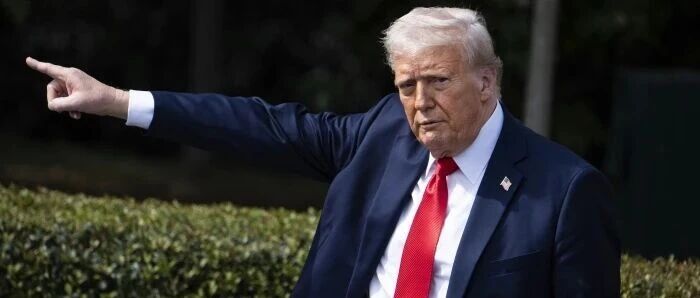
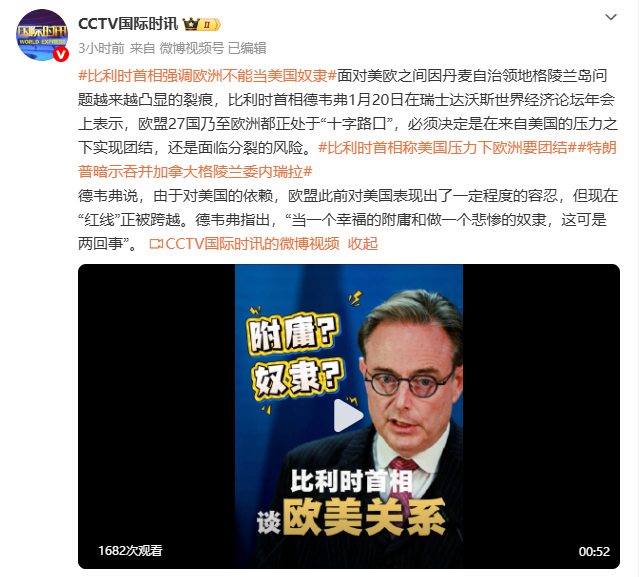
比利时首相谈欧美关系:当一个幸福的附庸和做一个悲惨的奴隶,这可是两回事
Xin Lang Cai Jing· 2026-01-20 22:58
Core Viewpoint - The statement by Belgian Prime Minister De Wever at the World Economic Forum highlights the growing rift between the US and Europe over the issue of Greenland, emphasizing that the EU is at a crossroads regarding its unity under US pressure or the risk of division [1] Group 1 - De Wever indicated that the EU's previous tolerance towards the US was due to its dependency, but now the "red line" is being crossed [1] - He contrasted the situation of being a "happy vassal" with that of being a "miserable slave," suggesting a significant shift in the EU's stance towards the US [1]