
欧洲一体化

Search documents
沈联涛:欧洲能否走出瘫痪
Sou Hu Cai Jing· 2026-02-24 00:38
Group 1 - The EU's decision-making process has become slow and painful due to the division between France and Germany, particularly in response to geopolitical changes affecting defense, technology, and capital markets [2][5] - The year 2025 is highlighted as a critical turning point, with escalating conflicts in various regions and significant climate-related challenges, marking it as one of the hottest years on record [2] - The financial markets have reached historical highs, with gold prices increasing by nearly 70% and silver by 150%, indicating a significant shift in investment dynamics [2] Group 2 - The EU has frozen $210 billion of Russian assets since the Ukraine conflict, leading to legal challenges from Russia, which poses a threat to Europe's status as a financial center [3] - The EU's economic share of global GDP has declined from 25% in 1990 to 14% today, raising concerns about its future viability and influence [4] - Europe's reliance on a few suppliers for critical raw materials and the high cost of electricity compared to the US and China highlight its vulnerabilities in the global market [5][6] Group 3 - The former ECB President Mario Draghi identified three potential futures for Europe: paralysis, member states exiting the EU, or further integration, with the latter being the only hope for survival [6] - The lack of a unifying political figure with vision and influence has hindered the EU's ability to act cohesively, leading to a fragmented response to external threats [6] - The competition among powerful non-European countries like the US, China, and India suggests that Europe may not play a significant role in future global narratives [6][7]


法国对华叫板30%关税,德国直接沉默!欧盟分裂肉眼可见?
Sou Hu Cai Jing· 2026-02-17 03:33
Core Viewpoint - The relationship between French President Macron and German Chancellor Merz is deteriorating, raising concerns about the future of the EU, especially in light of Trump's alleged intentions to dismantle the EU [1][3][5]. Group 1: Franco-German Relations - The growing estrangement between Macron and Merz stems from a long-standing competitive relationship, particularly after Brexit, where both countries emerged as the EU's strongest powers [3]. - Germany's economic strength has historically overshadowed France, but recent economic challenges in Germany have opened opportunities for France to assert its influence within the EU [3]. - Macron's active role in international and EU affairs has reportedly displeased Merz, contributing to the cooling of their relationship [3]. Group 2: Divergent Visions - Macron advocates for a "Greater Europe" that emphasizes political, diplomatic, and economic integration among EU member states, aiming to transition the EU from a confederation to a federation [5]. - In contrast, Merz, as an Atlanticist, focuses on strengthening ties with the U.S. while prioritizing Germany's national interests, showing less concern for broader European integration [5]. - The fundamental differences in their approaches to European unity and Germany's future development are significant sources of tension between the two leaders [5]. Group 3: Trump's Influence - Trump's intentions to dismantle the EU are not unfounded, as he perceives the EU as an obstacle to his plans and believes that disbanding it would shift more responsibilities to European nations [7]. - From a geopolitical perspective, Trump argues that a fragmented Europe would prevent capital and industry from leaving the U.S., especially during economic downturns [7]. - The internal conflicts within France and Germany, coupled with external pressures from Trump, place the EU in a precarious position, exacerbated by the challenges of electoral politics in Europe [8].
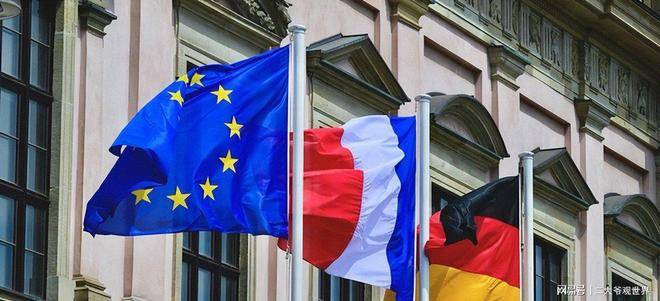
欧盟一夜变天!德法牵头六国另立山头,双速欧洲把东欧踢出群聊?
Sou Hu Cai Jing· 2026-02-13 04:34
Group 1 - The core viewpoint of the article highlights the increasing focus of European countries, particularly Germany and France, on enhancing Europe's competitiveness and defense capabilities amid deepening geopolitical tensions and the ongoing Ukraine war [1] - The "multi-speed Europe" model allows certain EU member states to advance integration at a faster pace in specific areas, a concept that has been discussed since the 1980s and has seen partial implementation, such as the establishment of the Eurozone [3][4] - The reintroduction of the "multi-speed Europe" concept by former German Chancellor Angela Merkel in 2017 reflects a pragmatic approach to the challenges facing the EU, acknowledging that not all countries can participate in the same integration process [5][6] Group 2 - Recent developments indicate that Germany and Italy are collaborating to transform the current crisis into an opportunity, emphasizing the need for a structured European agenda to address economic revival and defense cooperation [8][10] - Key proposals include significant reductions in bureaucracy, expedited approval processes, and enhanced domestic markets, with a focus on strengthening Europe's industrial policy in response to the US and China [10][11] - The initiative aims to bolster defense spending coordination and create a unified air defense and missile defense system, addressing the fragmentation in Europe's defense industry [10][12] Group 3 - The "multi-speed Europe" model is gaining support due to escalating geopolitical tensions, which may lead to a shift away from the unanimous decision-making process currently required among EU member states [13] - Critics warn that this model could threaten European cohesion by potentially sidelining countries outside the core group, but proponents argue for its flexibility and openness to other participants [13] - The formation of the E6 group, consisting of Germany, France, Italy, Spain, Poland, and the Netherlands, aims to enhance Europe's competitiveness and defense capabilities through the "multi-speed Europe" approach [13]
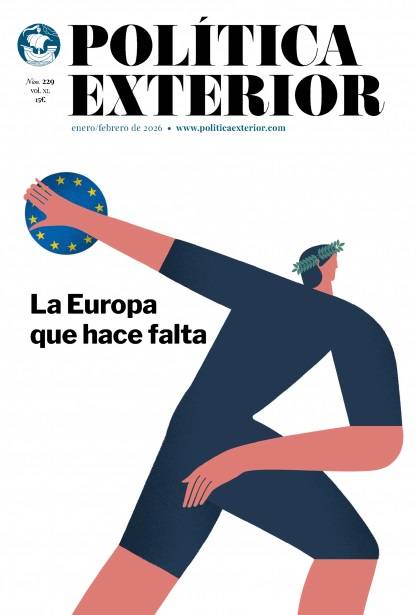
参考封面 | 欧洲应走向何方?
Sou Hu Cai Jing· 2026-02-10 16:34
Core Viewpoint - The article discusses the challenges and opportunities facing Spain and Europe as Spain approaches the 40th anniversary of its accession to the European Community, emphasizing the need for Spain to defend its interests while integrating with Europe [2] Group 1: Economic Modernization - Spain has utilized its membership in the European Community to modernize its economy and align national interests with European goals [2] - The framework provided by Europe has been crucial for Spain in developing strategies that balance national development with European integration [2] Group 2: Current Challenges - Europe is currently facing significant issues, including a declining birth rate and stagnant economic growth [2] - These challenges necessitate a stronger commitment to defending national interests and enhancing the unity of the market [2] Group 3: Future Outlook - To build a stronger Europe, there is a call for improved decision-making capabilities and legislative processes [2] - The article suggests that only through these measures can Europe overcome its current difficulties and ensure a prosperous future [2]
欧洲央行前行长:为避免沦为附庸,欧洲需要进一步加快一体化
Xin Lang Cai Jing· 2026-02-03 10:29
Core Viewpoint - The former President of the European Central Bank and former Italian Prime Minister, Draghi, emphasizes the need for Europe to accelerate integration to avoid becoming a vassal state, facing division, and deindustrialization [1] Group 1: Risks and Challenges - The current posture of the United States highlights the costs it incurs while ignoring the benefits it gains, exerting tariffs on Europe and threatening territorial interests [1] - The U.S. has explicitly stated that it views Europe's political division as aligning with its own interests, posing a risk of Europe becoming a vassal state and facing fragmentation and deindustrialization [1] Group 2: Recommendations for Europe - To become a strong economic entity, Europe must transition from a union to a federation, enhancing its collective strength in trade, competition, single market, and monetary policy [1] - Successful negotiations of free trade agreements with India and Latin America demonstrate the benefits of Europe acting as a cohesive economic entity, which is currently lacking in defense, industrial policy, and foreign affairs [1]
王朔:新自贸协定受阻给欧盟敲响警钟
Xin Lang Cai Jing· 2026-01-26 23:12
Core Viewpoint - The European Parliament's recent decision to submit the EU-Mercosur free trade agreement for judicial review may slow down the approval process and increase uncertainty regarding its implementation, reflecting deeper internal conflicts within the EU and a systemic governance crisis [1] Group 1: Economic Benefits of the Agreement - The free trade agreement, which has been in negotiation for 25 years, is generally beneficial for the EU, potentially increasing exports to South America significantly and saving approximately €4 billion in tariffs, with this figure expected to rise in subsequent years [1] - The agreement could enhance the security of critical raw materials, as South America holds 50% of the world's lithium and 30% of nickel, which are essential for the EU's green transition and supply chains for batteries and electric vehicles [1] - It also aims to strengthen the EU's strategic autonomy amid geopolitical tensions, particularly in light of the Russia-Ukraine conflict and pressure from the United States, by expanding cooperation with South American markets [1] Group 2: Internal EU Challenges - The delay in the agreement's implementation is largely attributed to issues within the EU itself, particularly its problematic benefit distribution mechanism, which leads member states to prioritize national interests over collective cooperation when costs outweigh benefits [2] - The internal political landscape of Europe has become increasingly fragmented, with rising populism and dissatisfaction among citizens due to economic stagnation, leading to a lack of consensus among political parties [3] - The EU's strategic positioning is also in question, as it struggles to establish a clear stance in the face of U.S. pressures while attempting to engage with Latin American countries, revealing a lack of coherent strategy and reliance on outdated transatlanticism [4] Group 3: Implications for EU Governance - The current suspension of the trade agreement serves as a warning for the EU's governance model, indicating that without decisive reforms, the EU may fall into a cycle of decision-making paralysis, loss of trust, and disintegration among member states [5] - The EU's international credibility and influence could decline if it fails to address these internal challenges, potentially losing its proactive role in global affairs [5] - Historically, the process of European integration has often advanced during crises, suggesting that the EU may need to embrace courage and action to overcome current obstacles [5]
欧洲能否继续成为乌克兰的靠山
Sou Hu Cai Jing· 2026-01-26 10:52
Core Viewpoint - Europe is unable to independently support Ukraine amidst the ongoing crisis, relying heavily on Western allies, particularly the United States, for military and financial assistance [1] Military Support - The U.S. provides over one-third of Western aid to Ukraine, including advanced weaponry and intelligence support, which Europe cannot match due to its limited military production capabilities [1] - France's President Macron stated that Europe has contributed everything possible but cannot provide what it does not have, highlighting the limitations of European military support [1] Financial Assistance - Since February 2022, the EU and its 27 member states have mobilized approximately €177.5 billion in financial support for Ukraine, with military aid amounting to around €63-65 billion [1] - The total financial outlay by the EU for Ukraine over the past three and a half years is nearly €390 billion, averaging about €110 billion annually, which is less than 0.7% of the EU's annual GDP of €17.9 trillion [1] Economic Impact - The ongoing crisis has severely impacted Europe's economic competitiveness, with Germany experiencing two consecutive years of economic contraction and France facing frequent changes in leadership due to budget issues [1] - The EU's sanctions against Russia have led to a significant reduction in economic ties, which has further strained European economies [1] Internal Divisions - Disagreements within the EU regarding support for Ukraine are increasing, with some member states refusing to share the financial burden of aid [1] - The EU's recent attempts to utilize frozen Russian assets for Ukrainian aid have faced resistance, indicating a growing reluctance among member states to continue funding the crisis [1] Future of Ukraine in the EU - The EU is accelerating Ukraine's accession process, with potential membership discussions expected to conclude by the end of 2028, but this raises concerns about the implications for EU governance and resource allocation [1] - Central and Eastern European countries express reservations about Ukraine's membership, fearing it could dilute their influence and complicate EU dynamics [1] Military Deployment Discussions - Major European powers have shown reluctance to commit troops to Ukraine, with Poland and France both indicating they will not participate in military deployments [1] - Security concerns from Baltic states further complicate the trust in larger European nations regarding their commitment to Ukraine [1] Long-term Support Concerns - If Ukraine loses its ability to resist Russia and faces economic challenges, European support may diminish, potentially leading to Ukraine becoming a burden on the EU integration process [1]
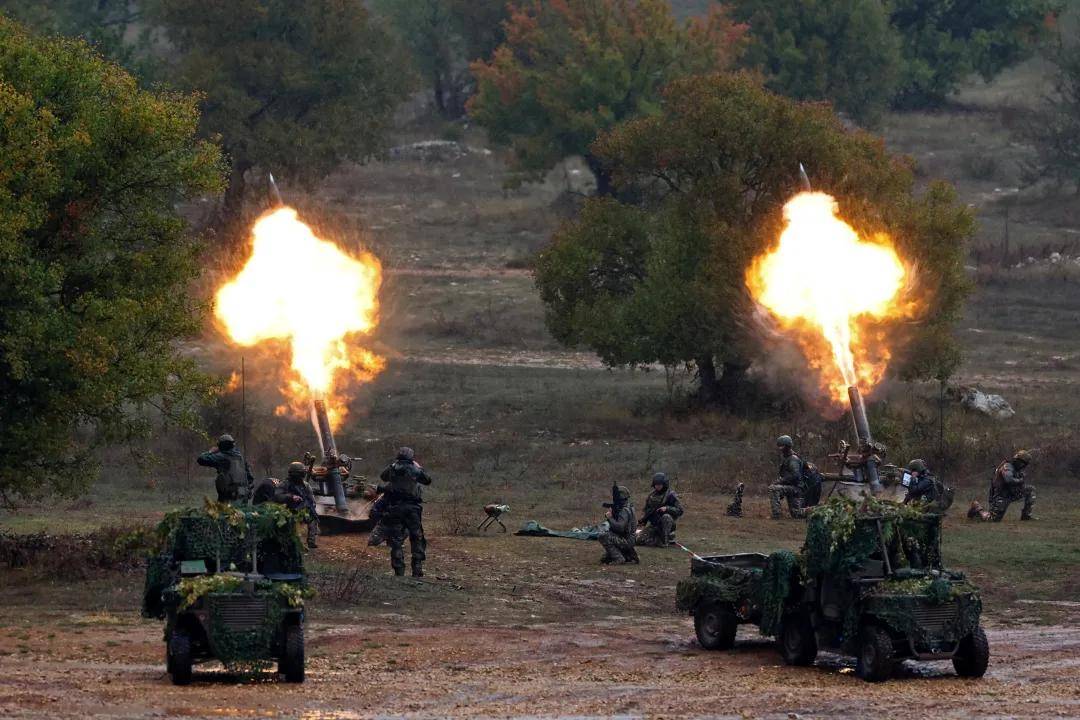
“双重膨胀”下的欧洲领导力之困
Xin Lang Cai Jing· 2026-01-26 06:39
Core Viewpoint - The recent Italy-Germany summit in Rome has sparked discussions about the future leadership of Europe, indicating a potential shift away from the traditional Franco-German axis towards a new collaboration between Germany and Italy [1][2]. Group 1: Historical Context - The integration process in Europe was primarily driven by the reconciliation between France and Germany after World War II, which began with the Schuman Plan aimed at achieving lasting peace through economic cooperation [1]. - The establishment of the European Coal and Steel Community in 1952 marked the beginning of this integration, leading to the formation of the European Union in 1993 [1]. Group 2: Current Challenges - While Europe has seen success in initial integration goals related to security and economic cooperation, the expansion of the EU's objectives has led to tensions between regional integration and national interests, with rising populist sentiments against integration [2]. - The Franco-German axis, once a stabilizing force in European politics, has begun to weaken, particularly as the EU has expanded to include more Eastern European countries with differing views on national sovereignty and interests [2]. Group 3: Potential New Leadership - Various suggestions have emerged regarding potential new leadership in Europe, including the idea of a "European three-horse carriage" involving the UK, France, and Germany, as well as the revival of the Weimar Triangle (France, Germany, and Poland) [3]. - However, these combinations have largely been seen as temporary tactical alliances rather than a cohesive force capable of driving European integration forward [3]. Group 4: Underlying Issues - The current leadership crisis in Europe is fundamentally linked to significant setbacks in the integration process, with the dual expansion of integration goals and member states creating a dilemma for the EU [4]. - The future of European integration will depend not only on finding a new driving force but also on the willingness of European nations to confront the current challenges and seize new historical opportunities in the context of changing international order [4].
波黑即将接入欧盟单一欧元支付区系统,实现跨境支付实时到账
Shang Wu Bu Wang Zhan· 2026-01-21 14:41
Group 1 - Bosnia and Herzegovina is expected to join the Single Euro Payments Area (SEPA), which will significantly reduce the annual cross-border transaction fees estimated at €100 million [1] - The introduction of an instant payment system in the second half of this year will enhance the domestic banking payment system, allowing for faster transactions and payments on non-working days [1] - Bosnian expatriates send nearly 60 billion marks (approximately €30 billion) back home annually, accounting for 10% of the country's GDP, making SEPA membership crucial for reducing remittance costs [1] Group 2 - The Central Bank of Bosnia and Herzegovina is preparing for a domestic instant payment system expected to be operational by the second half of 2026, enabling real-time transfers 24/7 [2] - The implementation of SEPA and the instant payment system is anticipated to benefit all citizens of Bosnia and Herzegovina, pending the approval of relevant regulatory laws by the national parliament [2]
COMEX白银小幅下跌 拉加德称欧美互信正遭破坏
Jin Tou Wang· 2026-01-21 04:12
Group 1 - COMEX silver is currently trading above $93.47, with a recent opening at $94.55 per ounce, and a current price of $93.69 per ounce, reflecting a decrease of 0.81% [1] - The highest price reached today was $95.53 per ounce, while the lowest was $93.41 per ounce, indicating a bearish short-term trend for COMEX silver [1] - The outlook for COMEX silver suggests a continuation of a volatile but strong pattern, with expectations for a medium-term upward movement and a potential challenge towards the resistance level of $100 per ounce [3] Group 2 - European Central Bank President Christine Lagarde stated that trust between Europe and the U.S. is deteriorating due to political tensions, which may accelerate the long-stalled European integration process [2] - Lagarde emphasized that the current situation serves as a significant warning, suggesting that the ongoing issues will greatly promote European integration [2] - European Commission President Ursula von der Leyen called for Europe to develop a "new form of independence" to reduce reliance on the United States [2]