歌曲版权

Search documents
单依纯致歉后,李荣浩又被喊话
第一财经· 2026-03-29 13:27
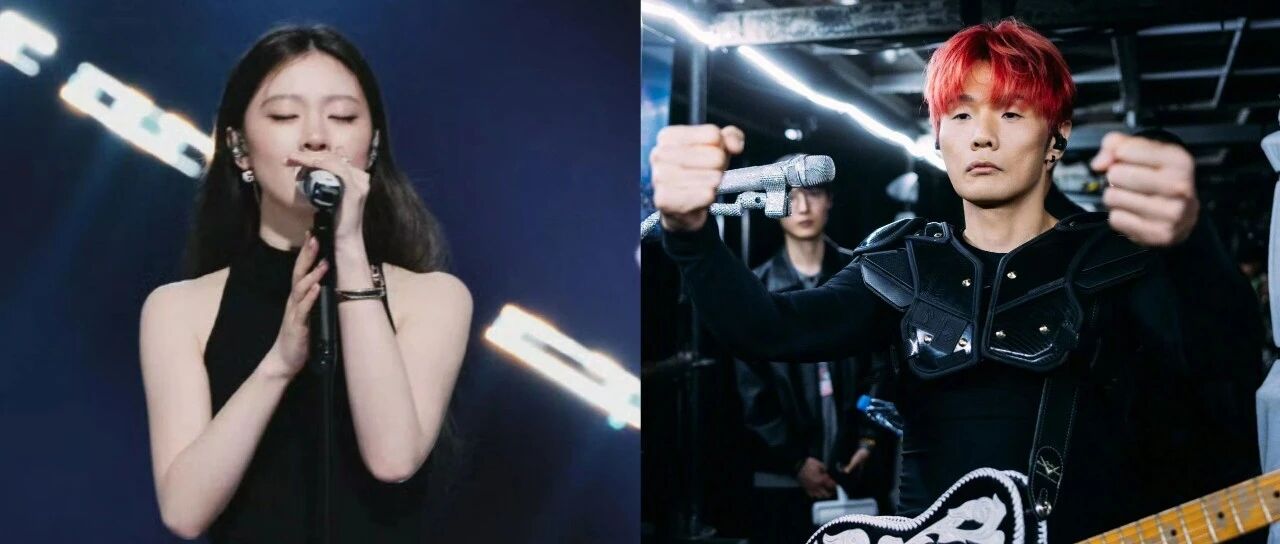
Core Viewpoint - The article discusses a copyright infringement controversy involving singer Li Ronghao and other artists, highlighting the importance of obtaining proper authorization for performing copyrighted works [3][6]. Group 1: Incident Overview - Li Ronghao publicly accused singer Shan Yichun of performing his song "Li Bai" without authorization during her concert on March 28, despite his prior refusal to grant permission [3][4]. - Shan Yichun later apologized, stating she was trying to understand the situation [3]. - Following this, singer Wu Xiangfei claimed that Li Ronghao had also performed his song "The Road Has Always Been" without obtaining the necessary authorization [5][6]. Group 2: Legal and Financial Implications - According to legal experts, performing copyrighted songs without authorization constitutes infringement, which can lead to legal consequences and the obligation to compensate the copyright holder for damages [6][8]. - The costs associated with obtaining song copyrights can vary significantly, with some popular songs costing hundreds of thousands to millions of yuan, as seen in the case of director Wong Kar-wai spending approximately 10 million yuan for rights to classic songs [7]. Group 3: Industry Practices and Challenges - The article highlights the hidden costs of copyright fees in the entertainment industry, which can lead artists and event organizers to bypass proper authorization to reduce expenses [7]. - It emphasizes the need for artists to respect copyright laws and the importance of obtaining permissions to avoid potential legal disputes [6][8].

AI 孙燕姿遍地都是,可 ChatGPT 们为什么一唱歌就跑调?
3 6 Ke· 2025-05-29 03:35
Core Insights - ChatGPT has reintroduced its singing capabilities, allowing it to perform songs like "Last Christmas" with recognizable melody and lyrics, although rhythmically it still has room for improvement [1][2][17] - The singing feature of ChatGPT is not as advanced as dedicated AI music generation tools, as it relies on general AI models rather than specialized audio generation technology [5][9] - OpenAI has implemented strict copyright measures that limit ChatGPT's ability to sing full songs, leading to a cautious approach where it may only perform snippets or altered versions of songs [14][17][22] Group 1 - ChatGPT can now sing recognizable songs, including classic Christmas tunes, but its performance lacks the rhythm and fluidity of professional singers [1][2][17] - The singing capability is part of the advanced voice mode (AVM) that was rolled out to Plus and Team users, allowing for a more interactive experience [11][16] - OpenAI's GPT-4o model has shown significant improvements in audio processing, with response times comparable to human reactions, enhancing its singing and interaction capabilities [10][18] Group 2 - ChatGPT's singing relies on additional technologies like Text-to-Speech (TTS) for clear pronunciation and AudioGPT for advanced audio processing, differentiating it from specialized music AI tools [5][9][7] - The AI's singing is limited by copyright concerns, leading to a strategy of performing only short segments of songs or using altered renditions to avoid legal issues [14][17][22] - OpenAI has been cautious about the implications of AI-generated music, emphasizing the need for copyright respect and the potential legal risks associated with AI music generation [22][24][26]