
武器出口三原则

Search documents
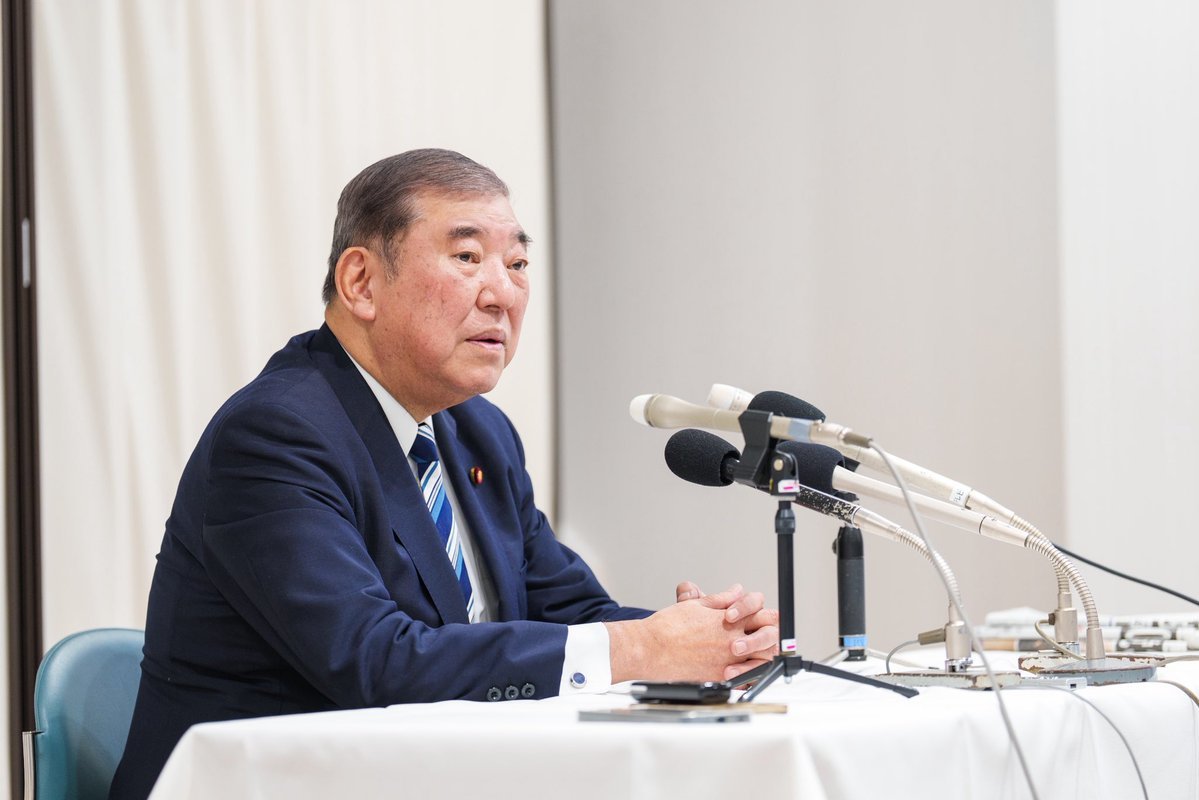
日媒:石破茂告诫高市早苗,众议院选举胜利不代表“你可以想做什么就做什么”
Huan Qiu Wang· 2026-02-09 07:03
Core Viewpoint - The victory of the Liberal Democratic Party (LDP) in the recent Japanese House of Representatives election does not grant the party the freedom to act without accountability, as emphasized by former Prime Minister Shigeru Ishiba [1][3]. Group 1: Election Results - The LDP secured 316 seats in the election, while its coalition partner, the Japan Innovation Party, obtained 36 seats, resulting in a majority for the ruling coalition [3]. - The opposition parties, including the Constitutional Democratic Party and Komeito, formed a new party called the "Center Reform Union," which won 49 seats, while the Democratic Party for the People gained 28 seats [3]. Group 2: Public Trust and Policy Concerns - Ishiba noted that the election results reflect public trust in the cabinet led by Sanna Takashi, but this trust does not equate to a blank check for policy implementation [3]. - He highlighted the importance of the government's ability to deliver tangible results, indicating that the public's evaluation of these outcomes remains uncertain [3]. Group 3: Economic Policy Warnings - Ishiba warned that proposed tax cuts by Takashi could harm the economy if not properly funded, potentially leading to a depreciation of the yen and rising prices [3]. - He emphasized that even basic economic principles, such as the need for funding to support tax cuts, should be understood by policymakers [3].

高市早苗最新表态,中方回应
证券时报· 2025-11-21 10:11
Group 1 - The core viewpoint of the article emphasizes China's strong opposition to Japan's recent militaristic statements and actions, particularly regarding Taiwan and military exports, indicating a potential shift towards militarization in Japan [2][3][4] - Japan's Prime Minister, high市早苗, has made controversial remarks suggesting possible military intervention in Taiwan, which has provoked significant backlash from the Chinese public and government [2] - The article highlights Japan's recent military developments, including the completion of arms exports to the U.S. and discussions on revising security treaties, which may lead to a relaxation of its post-war pacifist stance [3][4] Group 2 - Japan's defense budget has seen continuous increases for thirteen consecutive years, reflecting a trend towards military expansion and a shift in defense policy [3] - The modification of Japan's arms export principles and the potential revision of the "Three Non-Nuclear Principles" indicate a move towards a more aggressive military posture, raising concerns about regional security [3][4] - The article questions Japan's intentions, suggesting that a return to militarism would be met with resistance from both the Chinese populace and the international community, ultimately leading to failure [4]
