毗邻统战

Search documents
激活“邻”聚力 “毗邻统战”助力区域高质量发展
Zhong Guo Xin Wen Wang· 2025-10-10 04:07
Core Insights - The article discusses the increasing collaboration among neighboring regions in the context of the United Front Work, highlighting the establishment of various alliances and initiatives aimed at regional development and integration [1][4][11]. Group 1: Regional Collaboration Initiatives - The "Qingwu Jia United Front Alliance" was established in 2019 among Shanghai Qingpu, Jiangsu Wujiang, and Zhejiang Jiashan to empower regional development through united front work [1][7]. - The "Jinpingguo" brand was created in 2018 to facilitate interactions between overseas Chinese communities in the neighboring regions of Shanghai and Zhejiang, leading to over 50 events aimed at fostering connections [3][4]. - The "Entrepreneurship China: Overseas Chinese Gather in Jiaxing" investment exchange conference in 2023 resulted in multiple investment projects being signed, showcasing the effectiveness of cross-regional collaboration [5][10]. Group 2: Challenges and Solutions - Despite geographical proximity and cultural similarities, neighboring regions face challenges such as overlapping resource advantages and administrative discrepancies [7][9]. - The three regions have adopted a collaborative approach that emphasizes consultation and consensus-building to overcome administrative barriers and enhance resource sharing [9][10]. - The establishment of a "six-party cooperation mechanism" among key areas in the Yangtze River Delta aims to streamline services and improve the efficiency of united front work [4][5]. Group 3: Broader Implications and Recommendations - The article suggests that the successful models of collaboration in the Yangtze River Delta can serve as a reference for other regions, such as Beijing-Tianjin-Hebei and Chengdu-Chongqing, to enhance their united front work [11][12]. - It emphasizes the importance of creating smaller, localized brands and cooperation models to invigorate regional united front efforts, which could lead to more effective resource sharing and economic development [12].

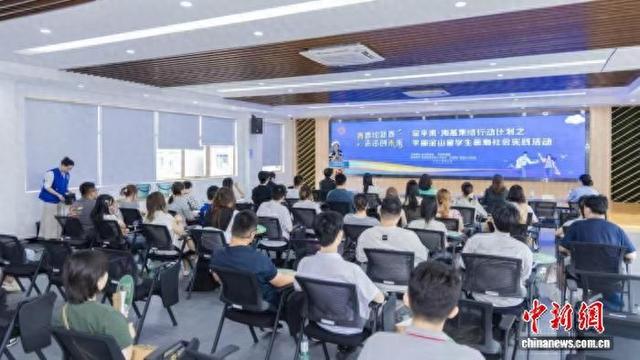
(乡村行·看振兴)毗邻统战破局“出圈” 浙沪乡村绘就共富新图景
Zhong Guo Xin Wen Wang· 2025-05-27 13:15
Core Insights - The article highlights the collaborative efforts between Zhejiang Province and Shanghai to promote rural revitalization and common prosperity through tourism and agricultural innovation [1][3][6] Group 1: Regional Development Initiatives - The establishment of a "one-hour cross-province tour" route aims to integrate cultural and tourism resources between the two regions, enhancing local economic development [3][4] - A strong village shareholding company was formed with a structure of "51% village collective + 49% enterprise," promoting a new path for common prosperity [3][4] Group 2: Agricultural and Tourism Integration - The "Common Prosperity Strawberry Garden" spans 17.5 acres and supports 26 low-income families, while the Pinghu Longpai brand factory is expected to increase annual income for surrounding farmers by 3 million RMB [4] - The region has developed a year-round tourism ecosystem, attracting over 100,000 visitors annually, transforming beautiful landscapes into economic benefits [4][6] Group 3: Cross-Regional Collaboration - The collaboration between agricultural enterprises in Pinghu and Jinshan has led to the "Mushroom-Rice Symbiosis" project, enhancing resource utilization efficiency [5] - A three-year action plan focusing on agricultural branding and innovation bases has been established to facilitate collaborative innovation between the two regions [5][6] Group 4: Economic Impact - Over 40 cross-regional cooperation projects have been initiated, resulting in an average annual income increase of over 3 million RMB for village collectives and creating more than 2,000 job opportunities [6]