水库泄洪

Search documents
“桦加沙”最大风力已达17级以上,东莞多个水库将安排泄洪
第一财经· 2025-09-22 09:37
Core Viewpoint - The article discusses the impact of Typhoon "Haikashan" on various cities in Guangdong, highlighting the implementation of emergency measures such as the "Five Stops" (suspension of classes, work, production, transportation, and business) to ensure public safety [3][4][5]. Group 1: Typhoon Impact and Emergency Measures - Typhoon "Haikashan" is classified as a super typhoon with maximum wind speeds of 62 meters per second (17 levels) and is expected to make landfall in Guangdong on September 24 [3][6]. - Cities like Zhuhai, Jiangmen, and Dongguan have announced the "Five Stops" measures to mitigate the typhoon's effects, with Zhuhai suspending classes on September 23 and 24 [3][4][5]. - The Central Meteorological Observatory has warned of extreme weather conditions, advising the public in coastal areas to prepare for strong winds and heavy rainfall [6]. Group 2: Transportation and Infrastructure - The Guangzhou Railway Group has adjusted train operations, with all high-speed and regular trains in Guangdong set to stop from September 23 to 24 due to the typhoon [7]. - The South Power Grid has issued a red alert for wind and flood prevention, mobilizing resources to protect the stability of the power grid [8]. - Water reservoirs in Dongguan are preparing for increased flood discharge to manage the anticipated heavy rainfall [5].


实拍华南地区最大水库开闸泄洪,2024年曾持续泄洪79天
Xin Jing Bao· 2025-08-08 08:28
Core Viewpoint - The New Fengjiang Reservoir in Guangdong has reached its flood limit due to recent heavy rainfall, leading to the opening of floodgates for the ninth time since its establishment in 1958 [1] Group 1 - The New Fengjiang Reservoir is the largest reservoir in South China [1] - Floodgates were opened at 5 PM on August 7, with the duration of the flood release yet to be determined based on reservoir conditions [1] - The last time the reservoir released water was in April 2024, marking the first release in 18 years, which lasted for 79 days, setting a historical record [1]
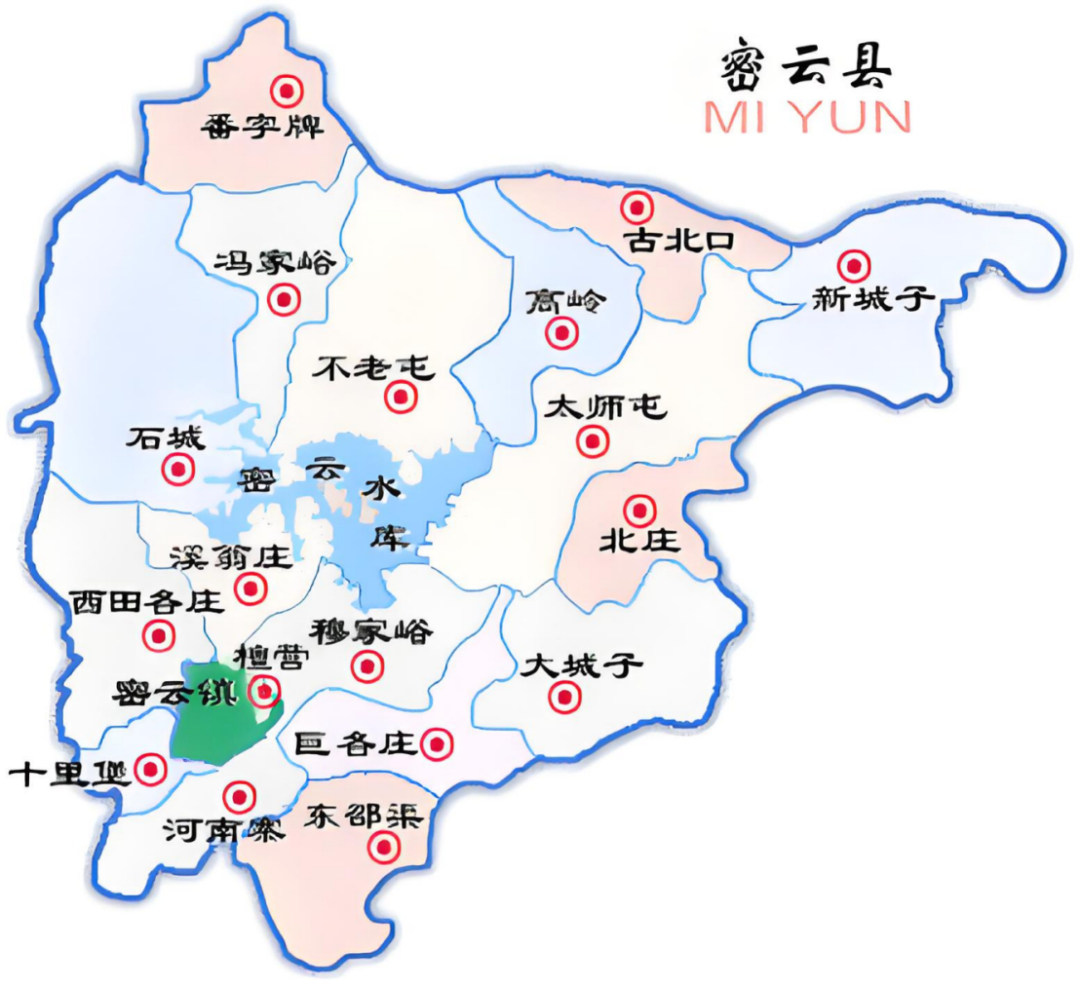
为了解密云灾情,先学些地理知识
Hu Xiu· 2025-07-29 01:52
Group 1 - The article discusses the impact of extreme weather events, specifically heavy rainfall and flooding, in the Miyun district of Beijing, highlighting the differences in disaster severity across various regions within Miyun [3][11]. - The rainfall exceeded 300 millimeters in a short period, leading to significant geological disasters, including road damage, power outages, and landslides, particularly affecting residents in mountainous areas [7][11]. - The flooding in Taishitun was exacerbated by upstream rainfall from areas like Chengde, resulting in unexpected disaster despite being outside the red alert zone [8][9]. Group 2 - The article explains the hydrological dynamics of the Baihe and Chaohe rivers, which both flow into the Miyun Reservoir, and how their water levels were affected by recent heavy rains from both local and upstream sources [13][21]. - The Miyun Reservoir experienced its highest inflow since its establishment in 1959, with peak inflow rates reaching 6,550 cubic meters per second, indicating a significant hydrological event [21][40]. - The article describes the changes in water quality and flow characteristics during the reservoir's controlled release, noting that the river's appearance changed dramatically due to sediment and debris being washed into the water [36][38].