暴雨洪涝灾害

Search documents
北方大部地区已入冬,局地偏早20天以上
Zhong Guo Xin Wen Wang· 2025-10-31 07:54
Core Points - The northern regions of China have entered winter earlier than usual, with some areas experiencing winter conditions up to 20 days ahead of the normal schedule [3][4] - The average national temperature in October was 11.1°C, close to the historical average, but the month saw a significant temperature drop in the latter half [2][3] - October recorded the third-highest rainfall for the month in history, with an average precipitation of 51.5 mm, which is 51.8% more than the historical average [4] Temperature Trends - The temperature in early October was historically high, but a strong cold air mass from October 16 to 21 caused a drop of 8°C to 14°C across much of central and eastern China [3] - Northeastern and northern regions, including parts of Inner Mongolia and Heilongjiang, experienced early winter conditions, while some areas in the northwest and southwest saw delayed winter by up to 20 days [3] Precipitation and Weather Events - October saw six significant rainfall events, leading to localized flooding in provinces such as Shandong and Sichuan [4] - The 21st typhoon, "Maidum," made landfall in Guangdong and Guangxi, causing heavy rainfall, with the highest recorded daily precipitation reaching 369.4 mm in Guangxi [4][5] November Climate Forecast - For November, temperatures in northeastern and eastern Inner Mongolia are expected to be lower than the historical average, while most other regions will be close to or above average [7][8] - Increased precipitation is anticipated in northeastern regions, with warnings for potential low-temperature rain and snow disasters, particularly in the first half of the month [8]


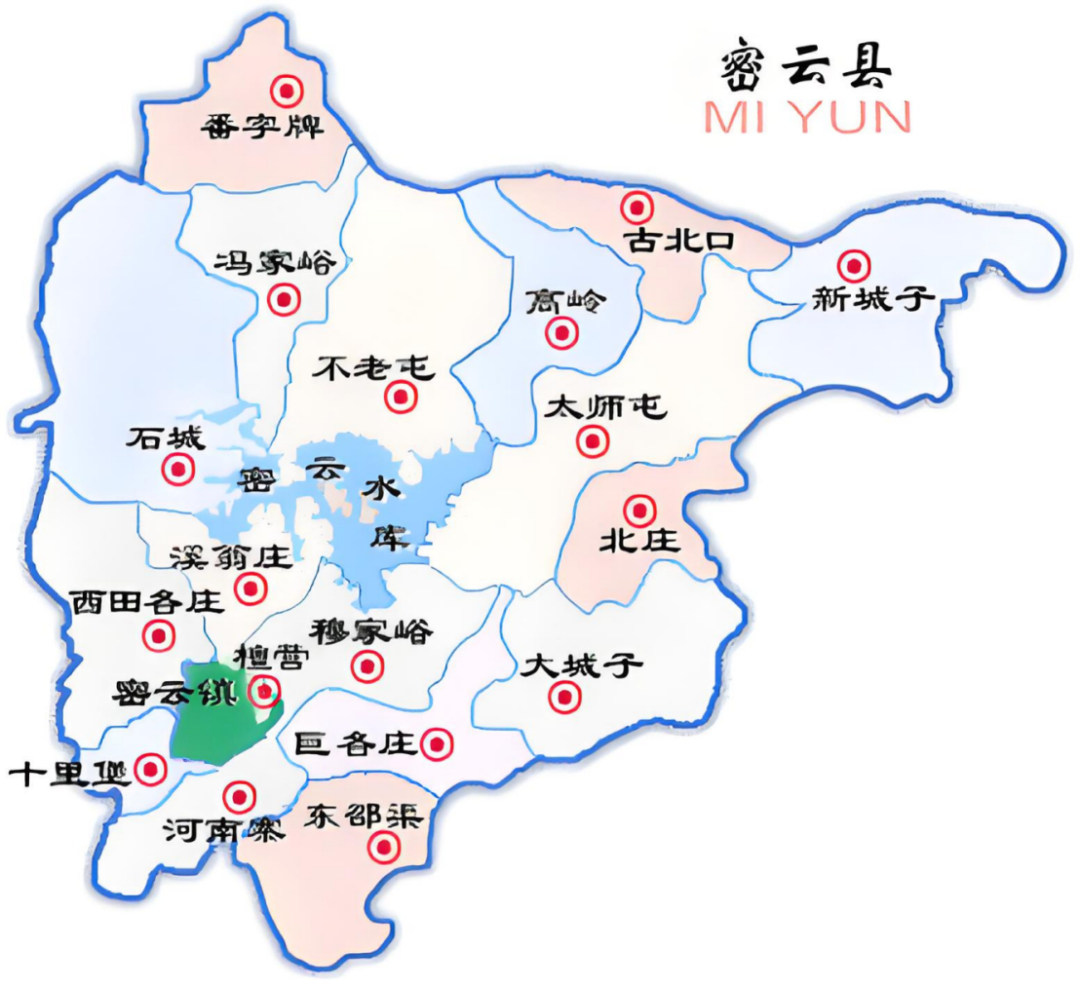
为了解密云灾情,先学些地理知识
Hu Xiu· 2025-07-29 01:52
Group 1 - The article discusses the impact of extreme weather events, specifically heavy rainfall and flooding, in the Miyun district of Beijing, highlighting the differences in disaster severity across various regions within Miyun [3][11]. - The rainfall exceeded 300 millimeters in a short period, leading to significant geological disasters, including road damage, power outages, and landslides, particularly affecting residents in mountainous areas [7][11]. - The flooding in Taishitun was exacerbated by upstream rainfall from areas like Chengde, resulting in unexpected disaster despite being outside the red alert zone [8][9]. Group 2 - The article explains the hydrological dynamics of the Baihe and Chaohe rivers, which both flow into the Miyun Reservoir, and how their water levels were affected by recent heavy rains from both local and upstream sources [13][21]. - The Miyun Reservoir experienced its highest inflow since its establishment in 1959, with peak inflow rates reaching 6,550 cubic meters per second, indicating a significant hydrological event [21][40]. - The article describes the changes in water quality and flow characteristics during the reservoir's controlled release, noting that the river's appearance changed dramatically due to sediment and debris being washed into the water [36][38].
华北多地强降雨持续 各地加紧抢险救灾
Yang Shi Wang· 2025-07-28 12:26
Group 1 - Heavy rainfall continues in North China, with some areas experiencing significant downpours, prompting the Central Meteorological Observatory to issue an orange rainstorm warning [1] - In Beijing, rainfall has led to the issuance of a red rainstorm warning, with the maximum rainfall recorded at 290.5 millimeters, and over 30,391 individuals have been relocated for safety [3] - The strong rainfall has caused damage to power and communication facilities in areas such as Miyun, Huairou, and Yanqing, with efforts underway to restore services [5] Group 2 - In Hebei, over 80 monitoring stations reported heavy rainfall, leading to the activation of a national level four emergency response for disaster relief, with 50 million yuan allocated for recovery efforts [7] - Tianjin's Jizhou District has also experienced significant rainfall, exceeding 200 millimeters in some mountainous areas, resulting in the relocation of over 5,600 individuals and the temporary closure of tourist attractions [8] - The Ministry of Water Resources has reported rising water levels in the Haihe River basin, with the first flood of 2025 occurring in the Luan River, prompting the release of water from the Panjiakou Reservoir [10]

闻“汛”而动紧急救援、抢险救灾、排涝保畅 勠力同心守护群众平安
Yang Shi Wang· 2025-06-22 02:14
Core Viewpoint - The southern regions of China are experiencing continuous heavy rainfall, leading to severe flooding and emergency responses across multiple provinces [1][3][15]. Group 1: Weather Forecast and Impact - The Central Meteorological Observatory issued a yellow rainstorm warning, predicting heavy rainfall in various regions including Jiangnan, Guizhou, and Yunnan from June 22 to June 23 [1]. - In Hunan, the rainfall exceeded 400 millimeters in some areas, marking a historical record for the region [3]. - The forecast indicates that heavy rainfall will continue in northern Hunan, with high disaster risk in areas like Zhangjiajie and Changde [4]. Group 2: Emergency Response and Rescue Operations - In Zhangjiajie, over 100 residents were trapped due to rising water levels, but emergency teams successfully rescued them after three hours [1]. - In Hubei, the rainfall reached 230.5 millimeters in 24 hours, prompting local militia to assist in rescue operations, saving over 500 people and recovering essential supplies [6]. - In Guangxi, severe flooding affected over 400 acres of crops, with military personnel conducting rescue operations for stranded residents [8]. Group 3: Flooding and Water Levels - The Water Resources Ministry reported that 18 rivers, including the Panjiang and Liujang, experienced flood levels exceeding warning thresholds due to the rainfall [15]. - In Hunan, the Wuqiangxi Reservoir recorded an inflow of over 20,000 cubic meters per second, leading to the formation of the first flood of 2025 [19]. - The water level of the Liujiang River reached 82.50 meters, marking the first flood of 2025 for the region [17].