
水风光蓄一体化

Search documents
潮涌青海聚合力笃行实干开新局
Xin Lang Cai Jing· 2026-01-24 19:37
Core Viewpoint - Qinghai is making significant strides in ecological civilization and high-quality development, focusing on green energy, smart manufacturing, and agricultural advancements to enhance the local economy and improve the quality of life for its residents [28]. Group 1: Energy Development - The construction of the Malda Dam hydropower station is progressing steadily, providing stable and clean energy for regional development [28]. - Energy storage stations are playing a crucial role in supporting the consumption of new energy and adjusting the energy structure in Qinghai [3]. Group 2: Agricultural Advancements - The development of green organic agriculture is being prioritized to enhance employment and income for farmers [15]. - Cool-season vegetables are thriving in the plateau region, enriching the local food supply and expanding income opportunities for farmers [28]. Group 3: Technological Innovation - The smart manufacturing industry is emerging through technological innovation, contributing to a "green revolution" in urban construction on the plateau [13]. - Green computing power is leading the digital economy, becoming a strong new engine for development [28]. Group 4: Ecological and Cultural Development - Ecotourism is flourishing, attracting a growing number of visitors and showcasing the region's natural beauty [28]. - The value of precious local literature is being explored to inject new vitality into the integration of culture and tourism in Qinghai [5]. Group 5: Social Development - High-quality development of elderly care services is ensuring that senior citizens enjoy a happy and fulfilling later life [22]. - The harmonious coexistence of people and nature is being emphasized, contributing to a beautiful home environment [9].

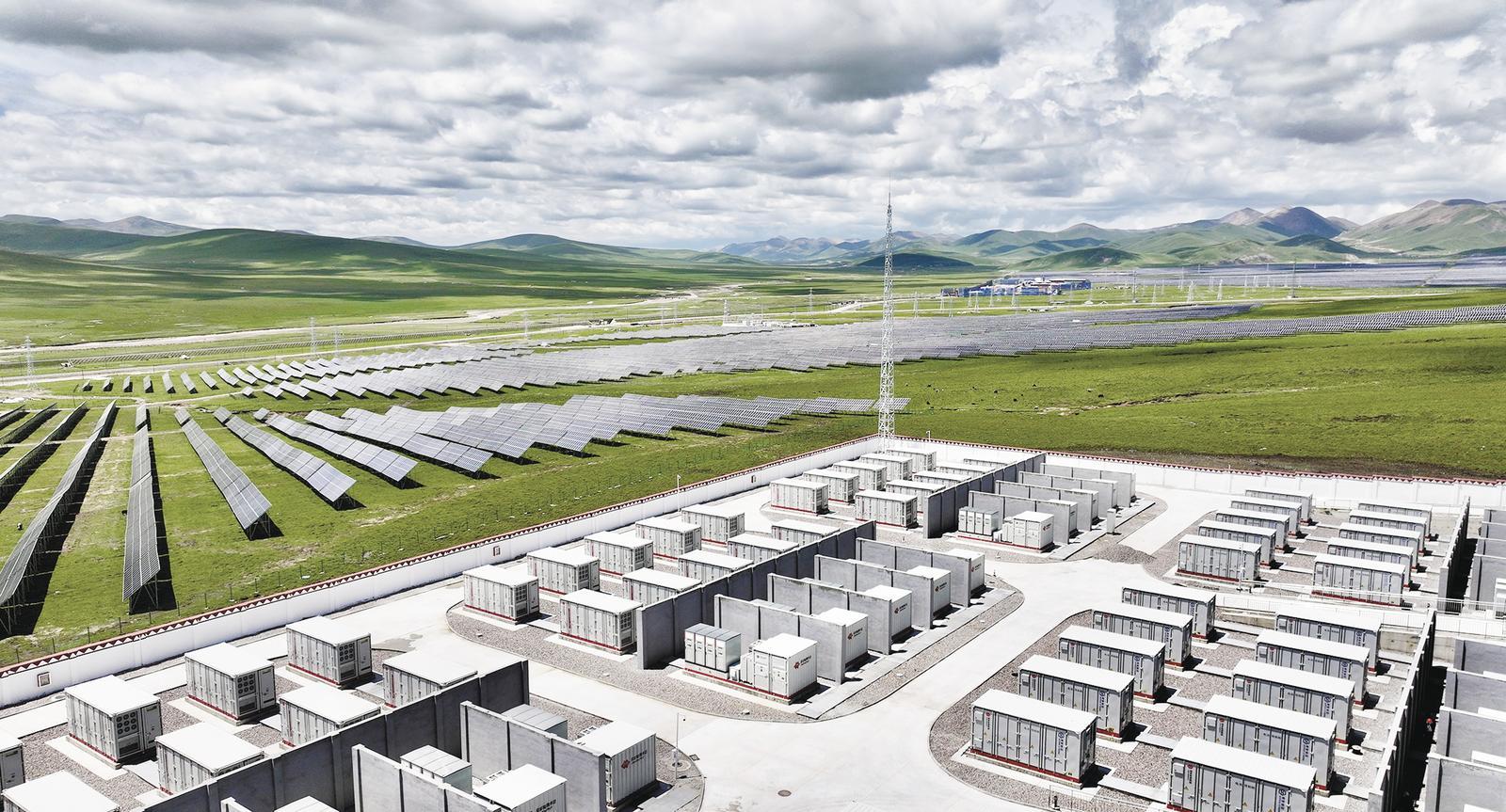
水风光蓄一体化多能互补模式为全球绿色发展提供新范式
Zhong Guo Dian Li Bao· 2025-05-21 05:32
Core Insights - The integration of water, wind, and solar energy is a key strategy for achieving global energy transition and meeting carbon neutrality goals, while also promoting energy security and ecological protection [1][3] - The "water-wind-solar-storage integration" model is being discussed as a new paradigm for sustainable development, with experts emphasizing its practical significance and future direction [1][3] Group 1: Development and Implementation - The water-wind-solar-storage integration model focuses on the complementary use of hydropower, wind power, and solar power, aiming to create a high-proportion renewable energy system [3] - Sichuan Province is highlighted as a leader in this integration, with clean energy accounting for approximately 85% of its total installed power capacity by the end of 2024, including 71% from hydropower, 6% from wind, and 8% from solar [3] - The Yalong River basin is planned to be a major water-wind-solar integration base, with a target capacity of 78 million kilowatts by 2035, contributing around 200 billion kilowatt-hours of green electricity annually [3][4] Group 2: Current Projects and Future Prospects - The Yalong River basin currently has nearly 21 million kilowatts of clean energy installed, with an additional 13.4 million kilowatts under construction, and has generated over 1.1 trillion kilowatt-hours of electricity [4] - Future projects in the Yalong River basin include several hydropower stations and pumped storage power stations, with a total planned capacity of 862,000 kilowatts [4] - The potential for expansion in the Yalong River basin is significant, with estimates suggesting it could reach a scale of over 100 million kilowatts [4][8] Group 3: Challenges and Innovations - The integration model faces challenges such as the need for advanced joint scheduling, intelligent operation, and market policy improvements for cross-regional electricity trading [6][8] - Collaborative innovation centers, such as the one established by State Investment Group and Huawei Digital Energy, aim to address these challenges through technology and business model innovations [7] - Experts suggest that addressing operational control, grid integration, and energy-water synergy issues will require new analytical methods and coordinated optimization technologies [8] Group 4: Strategic Recommendations - Recommendations for enhancing the development of water-wind-solar integration include improving resource allocation, strengthening planning, and exploring integrated market consumption [8] - There is a call for deeper understanding and support for the role of pumped storage in energy systems, alongside advancements in intelligent construction and operational technologies [8] - The water-wind-solar integration model is viewed as a profound energy revolution, with the potential to serve as a "Chinese solution" for global energy transition and sustainable development [8]