油源自主

Search documents
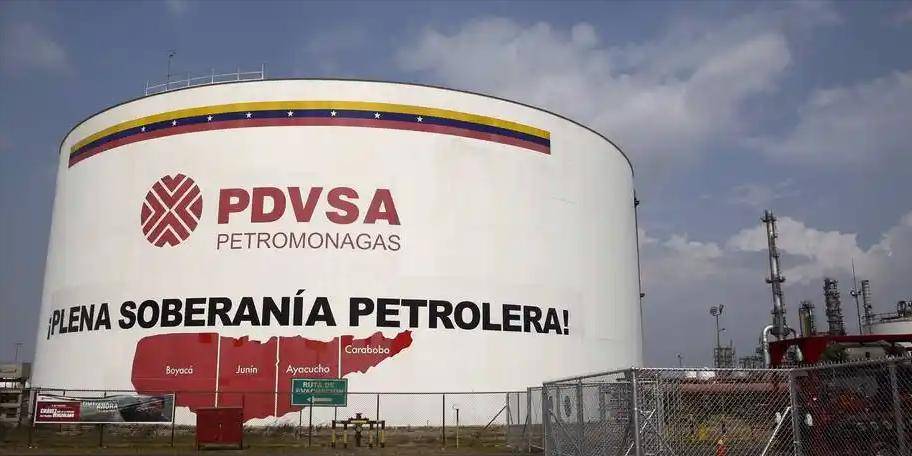
开采成本高,冶炼难度大!为什么美国要抢委内瑞拉的“垃圾油”?
Sou Hu Cai Jing· 2026-01-11 09:45
Core Viewpoint - The pursuit of Venezuelan oil by the U.S. is fraught with challenges, as the oil is difficult to extract and the infrastructure is in disrepair, making the idea of easily acquiring this resource unrealistic [1][14][19]. Group 1: Challenges of Venezuelan Oil Extraction - Venezuela holds the world's largest oil reserves, accounting for 17% of global reserves, but the oil is heavy and difficult to extract, often referred to as "garbage oil" due to its high sulfur content and viscosity [3][5]. - Extracting this oil requires advanced technology and significant investment, estimated at over $100 billion, with a recovery timeline of more than ten years [7][14]. - The country's oil infrastructure is severely degraded, with many oil wells abandoned and in need of extensive repairs, complicating any potential extraction efforts [5][7]. Group 2: U.S. Dependency on Heavy Oil - The U.S. has a rich supply of light crude oil, primarily from shale, but lacks sufficient heavy oil, which is essential for its refineries that have been adapted to process such oil [12][14]. - Historically, the U.S. has relied on imports of Venezuelan heavy oil to meet refinery demands, making the acquisition of Venezuelan oil strategically important [12][14]. Group 3: Operational and Logistical Issues - The operational challenges include reliance on Chinese-manufactured equipment for oil extraction, which complicates maintenance and operational control if the U.S. were to take over [9][10]. - The Venezuelan power grid is in disarray, leading to insufficient electricity for oil extraction and refining processes, further hindering any potential recovery of oil production [7][10]. Group 4: Economic and Strategic Implications - The notion of quickly "taking over" Venezuelan oil fields is likened to a "pitfall game," where the complexities and costs involved are underestimated [16][22]. - The U.S. faces a significant investment and time commitment to achieve any meaningful control over Venezuelan oil, with the reality presenting a stark contrast to the initial allure of the resource [14][17].