轻质油

Search documents
开采成本高,冶炼难度大!为什么美国要抢委内瑞拉的“垃圾油”?
Sou Hu Cai Jing· 2026-01-11 09:45
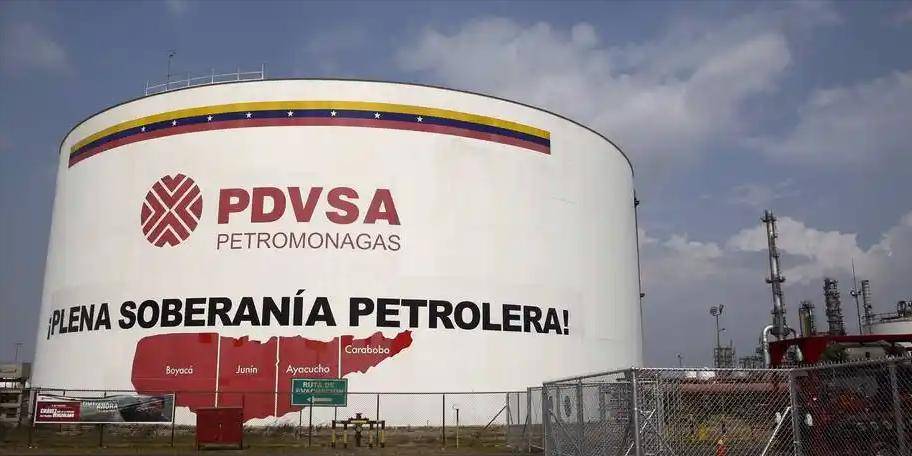
Core Viewpoint - The pursuit of Venezuelan oil by the U.S. is fraught with challenges, as the oil is difficult to extract and the infrastructure is in disrepair, making the idea of easily acquiring this resource unrealistic [1][14][19]. Group 1: Challenges of Venezuelan Oil Extraction - Venezuela holds the world's largest oil reserves, accounting for 17% of global reserves, but the oil is heavy and difficult to extract, often referred to as "garbage oil" due to its high sulfur content and viscosity [3][5]. - Extracting this oil requires advanced technology and significant investment, estimated at over $100 billion, with a recovery timeline of more than ten years [7][14]. - The country's oil infrastructure is severely degraded, with many oil wells abandoned and in need of extensive repairs, complicating any potential extraction efforts [5][7]. Group 2: U.S. Dependency on Heavy Oil - The U.S. has a rich supply of light crude oil, primarily from shale, but lacks sufficient heavy oil, which is essential for its refineries that have been adapted to process such oil [12][14]. - Historically, the U.S. has relied on imports of Venezuelan heavy oil to meet refinery demands, making the acquisition of Venezuelan oil strategically important [12][14]. Group 3: Operational and Logistical Issues - The operational challenges include reliance on Chinese-manufactured equipment for oil extraction, which complicates maintenance and operational control if the U.S. were to take over [9][10]. - The Venezuelan power grid is in disarray, leading to insufficient electricity for oil extraction and refining processes, further hindering any potential recovery of oil production [7][10]. Group 4: Economic and Strategic Implications - The notion of quickly "taking over" Venezuelan oil fields is likened to a "pitfall game," where the complexities and costs involved are underestimated [16][22]. - The U.S. faces a significant investment and time commitment to achieve any meaningful control over Venezuelan oil, with the reality presenting a stark contrast to the initial allure of the resource [14][17].

接手了一个烂摊子?特朗普想要委内瑞拉的油,就得先掏1000亿美元
Sou Hu Cai Jing· 2026-01-07 14:10
Core Viewpoint - The potential acquisition of Venezuela's oil by the U.S. is viewed as a high-risk gamble rather than a straightforward opportunity, requiring significant investment and long-term commitment to realize any benefits [1][12]. Group 1: Oil Reserves and Quality - Venezuela possesses the largest oil reserves globally, accounting for about one-fifth of the world's total, but this does not guarantee profitability due to the complexity of extracting heavy crude oil [3]. - The heavy crude oil from Venezuela is more challenging to process compared to lighter oils, leading to higher extraction costs and lower value-added products [3]. Group 2: Infrastructure Challenges - The state of Venezuela's oil infrastructure is severely degraded, with aging equipment and frequent operational failures, making it difficult to restore production levels [5]. - Estimates suggest that restoring Venezuela's oil production to levels seen two decades ago would require an investment of at least $100 billion and a sustained effort over approximately ten years [5]. Group 3: Energy Supply Issues - A stable electricity supply is crucial for oil production, yet Venezuela faces significant power shortages due to neglected infrastructure, complicating any efforts to resume oil extraction [6]. - The need to rebuild power generation facilities and the electrical grid presents a substantial challenge for any foreign investment in Venezuela's oil sector [6]. Group 4: Equipment Compatibility - The withdrawal of U.S. companies has left Venezuela reliant on oil equipment from China and Russia, which are not compatible with U.S. technology, complicating maintenance and upgrades [8]. - This incompatibility creates a dilemma for U.S. companies, as they would need to rely on foreign technical support while attempting to manage the oil production process [8]. Group 5: Strategic Considerations - Trump's focus on Venezuela's oil is driven by the U.S. refining industry's need for heavy crude oil, which complements domestic light crude production [10]. - However, the lack of a robust production system in Venezuela means that while there are buyers for the oil, the ability to deliver it as a stable commodity is severely lacking [10]. Conclusion - The endeavor to extract oil from Venezuela is characterized as a long-term, capital-intensive project with uncertain returns, requiring a commitment of $100 billion and a decade of investment [12]. - The reality of energy production is dictated not by the quantity of reserves but by the ability to manage costs and time effectively [12].
美国绑架委内瑞拉总统,背后的石油博弈
Sou Hu Cai Jing· 2026-01-07 07:45
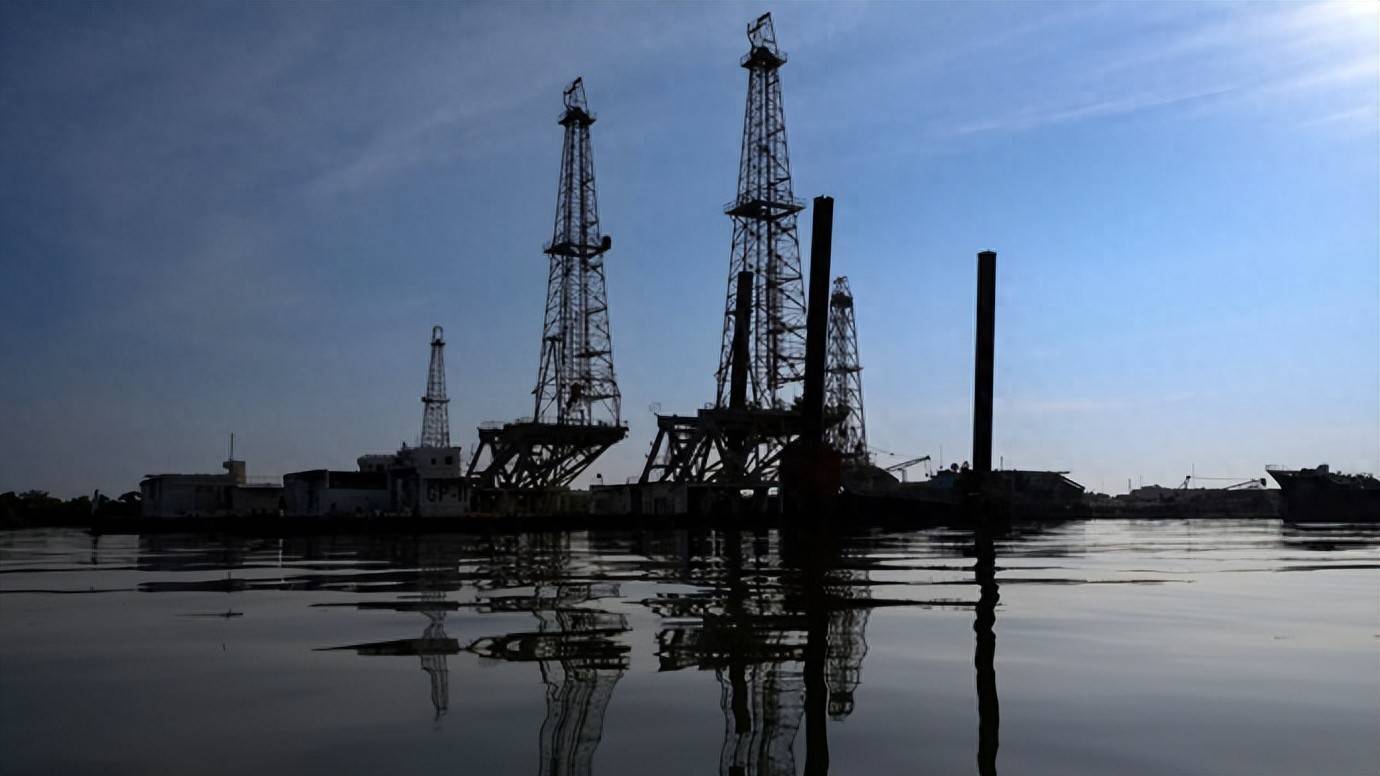
Group 1 - The core of the U.S. military action against Venezuela is a massive capital extraction operation, primarily targeting the country's oil resources, rather than a genuine pursuit of democracy or anti-drug efforts [1][18] - The U.S. aims to secure access to Venezuela's heavy crude oil, which is essential for its refining infrastructure and industrial needs, as it differs significantly from the light crude oil predominantly produced in the U.S. [3][5] - The proximity of Venezuela to the U.S. (approximately 1000 kilometers) makes it a more cost-effective and efficient source of heavy oil compared to imports from the Middle East [5][7] Group 2 - The U.S. refining capacity in the Gulf of Mexico was originally designed for heavy crude oil, but it currently produces mostly light crude, necessitating a search for stable and affordable heavy oil sources [5] - The political context includes the upcoming 2026 midterm elections in the U.S., where lower oil prices could help alleviate domestic economic pressures and garner support from working-class voters [7] - Venezuela's historical context reveals that it was once a prosperous nation with the largest oil reserves in the world, but has since faced severe economic decline due to mismanagement and over-reliance on oil revenues [9][12] Group 3 - The "resource curse" has led to Venezuela's economic troubles, as the focus on oil has stifled the development of other industries, resulting in a fragile economy vulnerable to external shocks [11][12] - The economic situation in Venezuela has deteriorated significantly, with hyperinflation and extreme poverty affecting the population, leading to a humanitarian crisis [14][16] - The U.S. intervention is framed as a business opportunity rather than a humanitarian effort, highlighting the exploitative nature of the relationship between the two countries [18]
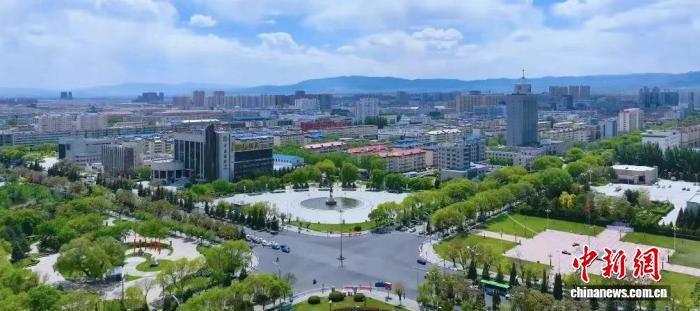
保供与转型并重 能源城市山西朔州的“绿色答卷”
Zhong Guo Xin Wen Wang· 2025-10-22 07:19
Core Insights - Shanxi Shuo Zhou, an important energy base, is undergoing a significant industrial transformation to balance energy supply and transition towards green practices [1][4] Group 1: Industrial Transformation - The city has implemented a dual approach of increasing capacity and eliminating outdated production, releasing a high-quality capacity of 35.8 million tons [1] - Shuo Zhou has established 100 intelligent mining and excavation work faces and built 9 coal product reserve bases with a total storage capacity of 7.75 million tons, ranking second in Shanxi [1] - The introduction of advanced technologies such as intelligent inspection robots and gas monitoring systems has improved disaster warning and emergency response capabilities, leading to a stable safety production situation in coal mines [1][2] Group 2: Safety and Training - The coal mine's death rate per million tons has remained low for several consecutive years due to continuous investment in safety and innovative practices [4] - Over 200 emergency drills are conducted annually, training 15,000 personnel to enhance safety awareness and emergency response capabilities among frontline employees [4] Group 3: Clean Energy Utilization - Shuo Zhou is focusing on "coal-electricity integration and nearby conversion," constructing low calorific value coal power projects to explore new paths for integrated coal-electricity development [4][5] - The region has developed a coal power cluster characterized by "large capacity, high parameters, and circular economy," promoting the transition of traditional energy to clean and efficient utilization [5] Group 4: Diversification and Green Development - The city is promoting the high-end and diversified utilization of coal downstream, advancing the coal chemical industry into fine chemicals and new materials [5] - A local energy company's low-grade coal multi-product project has entered trial production, converting low-grade coal into high-value products, aiming for a zero-carbon emission target [5] - A project in the mining subsidence area has transformed the ecological shortcoming into a model of a "happy new rural area," adding over 800 acres of arable land and increasing the average annual income of over 300 local households by 20,000 yuan [5]