油运市场结构性紧平衡

Search documents
近日,全球航运巨头与“船王”都在疯狂下单 VLCC
Sou Hu Cai Jing· 2025-12-07 22:02
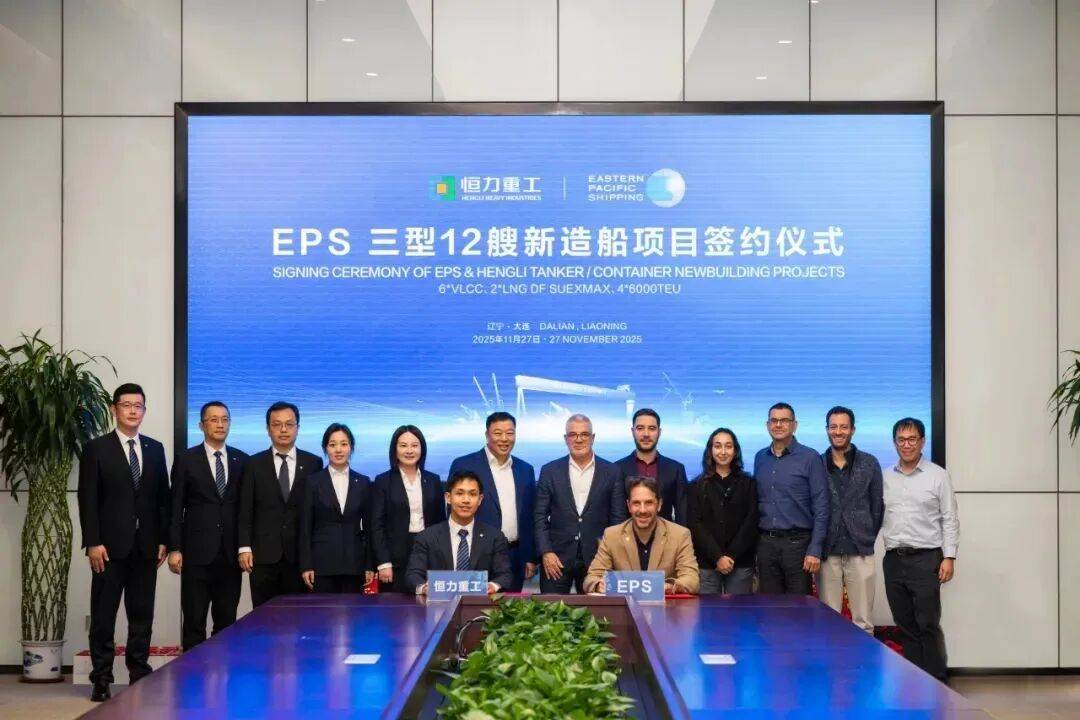
Core Insights - The global VLCC (Very Large Crude Carrier) newbuilding market is experiencing a significant surge, with multiple prominent shipping companies placing orders simultaneously, driven by supply chain cycles, geopolitical energy shifts, and the need to replace aging vessels [1][13]. Group 1: Order Trends - Since July, 38 VLCC new orders have been placed globally, a substantial increase from 12 in the first half of the year, marking a decisive event for the 2025 tanker market [1]. - Idan Ofer's EPS has confirmed an order for 6 VLCCs, totaling between $1.1 billion and $1.6 billion, marking a strong return to the VLCC market after exiting in 2018 [3][4]. - Zodiac Maritime, owned by Eyal Ofer, has also returned to the VLCC market with orders for up to 8 VLCCs and 6 container ships, with a total investment of approximately $1.6 billion [3][4]. Group 2: Market Dynamics - The VLCC spot market has seen day rates exceed $100,000, prompting shipyards to raise newbuilding prices by 5% to 10% [5]. - Ray Car Carriers has doubled its VLCC orders from 4 to 8, indicating a strategic diversification into the VLCC sector [6][7]. - Maran Tankers has signed contracts for 4 VLCCs, marking its return to the market after four years, with a focus on high-end vessel construction [8]. Group 3: Strategic Implications - Trafigura has expanded its VLCC orders to 10, reflecting a strategic bet on the future amid an aging fleet and supply constraints [9]. - Greek shipping companies, including Capital Group and Dynacom, have collectively increased their VLCC orders, signaling a strong market confidence [10]. - Asian shipping giants like HMM and COSCO have also placed significant orders, reinforcing the trend of regional diversification in the VLCC market [11]. Group 4: Structural Forces - The surge in VLCC orders is driven by three structural forces: strong cash flow from high spot rates, the urgent need to replace aging vessels, and tightening emissions regulations necessitating compliant new builds [13][14][15]. - Over 40% of the global VLCC fleet is over 15 years old, indicating a critical replacement phase [14]. - The tightening of carbon emission regulations is pushing shipowners towards high-efficiency and dual-fuel VLCCs, making compliance a necessity for future operations [15]. Group 5: Competitive Landscape - Chinese shipyards, such as Hengli Heavy Industry and Jiangsu Hantong, are positioned as key players in this VLCC wave due to their delivery certainty and cost-effectiveness [15]. - Korean shipyards, including Hanwha Ocean and HD Hyundai, continue to lead in high-end complex vessel construction, solidifying their competitive edge [15].