
VLCC(超大型原油运输船)

Search documents
3艘VLCC订单!民营造船新巨头接单势头不减
Sou Hu Cai Jing· 2026-02-26 05:50
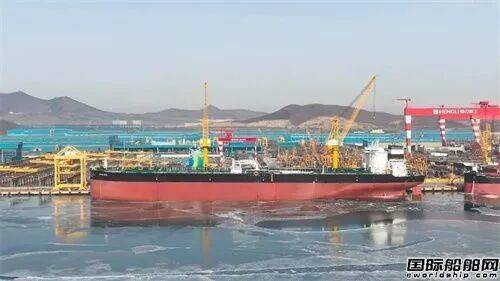
截至目前,恒力重工已交付多艘VLCC,全部配置自主研制的恒力主机,实现从船舶建造到核心配套的 全链条自主可控。 连同最新订单在内,2026年至今恒力重工已经陆续承接了67+4艘新船订单,包括38艘VLCC、12艘苏伊 士型原油船、2艘LR2型成品油/原油运输船、7+2艘散货船和8+2艘6000TEU集装箱船。 2月25日晚间,广东松发陶瓷股份有限公司宣布,下属公司恒力造船(大连)有限公司3艘30.6万吨超大 型原油运输船(VLCC)建造合同于近日签约生效。 公告显示,本次签订的合同的交易对方为欧洲知名船东,根据船东与恒力造船的约定及《上市公司信息 披露暂缓与豁免管理规定》的相关规定,豁免披露船东的具体信息。标的合同金额合计为3-4亿美元 (约合人民币20.65-27.54亿元),采用美元支付。 作为参考,克拉克森的数据显示,目前一艘315000-320000载重吨传统燃料VLCC新造船价格约为1.28亿 美元(约合人民币8.84亿元),与去年同期持平。 VLCC是恒力重工的主力船型。恒力重工自主研发的30.6万载重吨VLCC,具备"安全、绿色、舒适、环 保"等显著特点,各项性能指标均达国际先进水平。根据克拉克 ...

运价罕见单日暴跌20%,油轮龙头股价逆势上涨
2 1 Shi Ji Jing Ji Bao Dao· 2025-12-27 23:37
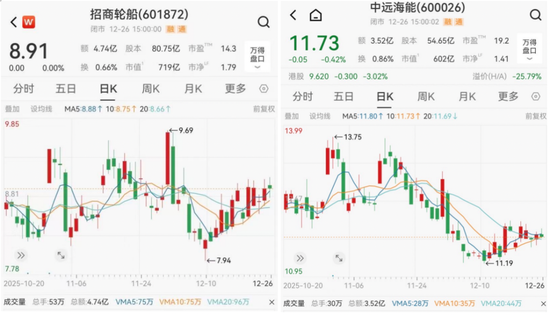
Core Viewpoint - The global tanker market experienced a significant drop in VLCC spot rates, with the Baltic TD3C index falling 20% to $87,711 per day, marking the largest single-day decline since May 2020. Despite this, major domestic oil tanker companies like China Merchants Energy Shipping Company and COSCO Shipping Energy Transportation remained resilient, with China Merchants Energy seeing a weekly increase of over 4% as of December 26 [1][3][8]. Group 1: Market Dynamics - The tanker market is influenced by complex and sometimes contradictory pricing mechanisms, which have led to a notable increase in tanker transport prices since August due to longer transport distances and rising demand [4][11]. - The current geopolitical situation has resulted in a reduction of the global "compliant" fleet, with the number of sanctioned tankers doubling to 906 vessels, representing 19% of the global oil tanker fleet capacity [10][12]. - The demand for oil tankers is expected to rise as OPEC has resumed increasing oil production, which could further support tanker rates [10][12]. Group 2: Company Performance - China Merchants Energy maintains the world's largest VLCC fleet, with 52 VLCCs and 7 Aframax tankers, positioning it well for potential profit growth as tanker rates are projected to reach their highest levels since 2008 in Q4 2025 [7][8]. - Despite the favorable market conditions, the stock price of China Merchants Energy was only 8.91 yuan per share as of December 26, which is lower than its historical prices from 2015 and 2024 [8][12]. - The company's management remains optimistic about the tanker market, predicting that the supply-demand imbalance will persist, keeping average rates above those of 2025 [15]. Group 3: Future Outlook - Analysts suggest that the tanker market may be entering a "super cycle," driven by supply constraints and increasing demand, although the current stock prices of leading companies do not fully reflect this potential [7][12]. - The upcoming delivery of new VLCCs is expected to be insufficient to offset the decline in efficiency from older vessels, maintaining a tight supply situation in the compliant market [13][15]. - The market's perception of seasonal demand fluctuations may not accurately predict future performance, as the first quarter is traditionally a peak season for tanker operations [15].

运价罕见单日暴跌20%,油轮龙头股价逆势上涨
21世纪经济报道· 2025-12-27 23:31
Core Viewpoint - The global tanker market experienced a significant drop in VLCC spot rates, with the Baltic TD3C index falling 20% to $87,711 per day, marking the largest single-day decline since May 2020. Despite this, major domestic oil tanker companies like China Merchants Energy Shipping Company (招商轮船) and COSCO Shipping Energy Transportation (中远海能) remained resilient, with China Merchants' stock rising over 4% in the week ending December 26, 2023 [1][3][8]. Group 1: Market Dynamics - The oil tanker market is characterized by complex and sometimes contradictory pricing mechanisms, which have led to a mixed performance of A-share oil tanker companies despite strong demand [3]. - Analysts from Guotai Junan Securities highlighted a "super bull market option" for oil shipping companies due to unexpected demand and supply bottlenecks, suggesting that current valuations do not fully reflect the potential for a super bull market [7]. - As of mid-2025, China Merchants will maintain the world's largest VLCC fleet, comprising 52 VLCCs and 7 Aframax tankers, positioning it as a key player in the market [7]. Group 2: Supply and Demand Factors - The global fleet of sanctioned oil tankers has doubled to 906 vessels, representing 19% of the total oil tanker fleet, which has led to increased transportation distances and a temporary surge in tanker rates [10][11]. - The geopolitical landscape has restructured global oil transportation routes, contributing to rising tanker rates, while the U.S. shale oil production faces challenges that may support higher rates in the long term [11]. - Despite the recent surge in tanker rates, concerns remain about potential price corrections if geopolitical tensions ease or if floating storage capacities are released [12]. Group 3: Future Outlook - The supply of VLCCs is expected to remain tight until mid-2026, with only a limited number of new deliveries and a significant portion of the fleet being older vessels that may not meet environmental standards [13]. - The company anticipates that the compliance market will continue to experience supply-demand imbalances, with average rates expected to be higher than in 2025 [14]. - The company also noted that the first quarter of the year is typically a peak season for oil transportation, despite historical trends suggesting a decline in activity during the fourth quarter [15].

极端周期,VLCC油运公司命运之局
2 1 Shi Ji Jing Ji Bao Dao· 2025-12-27 00:00
Core Viewpoint - The global tanker market experienced a significant drop in VLCC spot rates, with the Baltic TD3C index falling 20% to $87,711 per day, marking the largest single-day decline since May 2020. This decline is viewed as a market correction rather than a crisis, as VLCC rates remain above the highs seen in the spring of 2020 [1][2]. Group 1: Market Dynamics - The recent drop in tanker rates contrasts sharply with the extreme market conditions of May 2020, where OPEC's failed negotiations led to a drastic reduction in demand and unprecedented negative oil prices. This time, there are no similar geopolitical crises or OPEC production cuts influencing the market [2]. - Despite the drop in rates, major domestic tanker companies like China Merchants Energy Shipping Company (招商轮船) and COSCO Shipping Energy Transportation (中远海能) have shown resilience, with China Merchants experiencing a weekly increase of over 4% as of December 26 [2]. - The tanker market's pricing mechanism is complex, influenced by various factors including geopolitical tensions and supply chain disruptions, which have led to increased transportation distances and demand [3][7]. Group 2: Future Outlook - Analysts suggest that the tanker industry is entering a "super bull market" phase due to unexpected demand and supply constraints, with projections indicating that VLCC spot market earnings could reach their highest levels since 2008 by Q4 2025 [5][6]. - The current fleet of VLCCs is aging, with 20.2% of the global fleet over 20 years old, which may limit supply growth and maintain upward pressure on rates [11]. - The company anticipates that the supply-demand imbalance will persist, particularly as older vessels may not meet new environmental regulations, potentially leading to a decrease in effective fleet capacity [10][13]. Group 3: Investor Sentiment - There is a notable divergence between the performance of tanker rates and the stock prices of related companies, with the latter showing a lackluster response to rising rates due to market concerns over potential price corrections [9]. - The management of China Merchants has expressed optimism about the tanker market, predicting that the stock price will eventually reflect the positive market conditions despite current investor hesitance [12][13].
极端周期,VLCC油运公司大赌局
2 1 Shi Ji Jing Ji Bao Dao· 2025-12-26 12:34
Core Viewpoint - The global tanker market is experiencing a significant drop in VLCC spot rates, with the Baltic TD3C index falling 20% to $87,711 per day, marking the largest single-day decline since May 2020 [1][2] Group 1: Market Dynamics - The recent drop in tanker rates contrasts sharply with the extreme market conditions of May 2020, where OPEC production cuts and geopolitical events led to a dramatic shift in oil transportation dynamics [2][3] - Despite the current decline, VLCC rates have not fallen below the highs seen during the spring bull market of 2020, indicating a more stable market environment [2][3] - The recent price drop is viewed as a market correction rather than a collapse, with major domestic tanker companies like China Merchants Energy Shipping Company (招商轮船) and COSCO Shipping Energy Transportation Co. (中远海能) showing resilience [2][3] Group 2: Supply and Demand Factors - Analysts suggest that the tanker market is influenced by a combination of unexpected demand and supply constraints, which could provide a "super bull market option" for listed oil shipping companies [4][5] - The head of China Merchants Energy Shipping Company noted that their VLCC fleet remains the largest globally, with expectations of significant profit growth due to rising spot rates [5][6] - The global fleet of sanctioned tankers has doubled to 906 vessels, representing 19% of the total oil tanker fleet, which has restructured transportation routes and increased shipping distances [7][8] Group 3: Future Outlook - The tanker market is expected to face a tight supply situation, with a limited number of new VLCC deliveries and a significant portion of the fleet being older vessels that may not meet environmental regulations [11][12] - The company anticipates that the demand for compliant vessels will continue to outstrip supply, leading to higher average rates in the future [12][13] - The company's management remains optimistic about the market's long-term prospects, despite short-term fluctuations and seasonal demand variations [12][13]
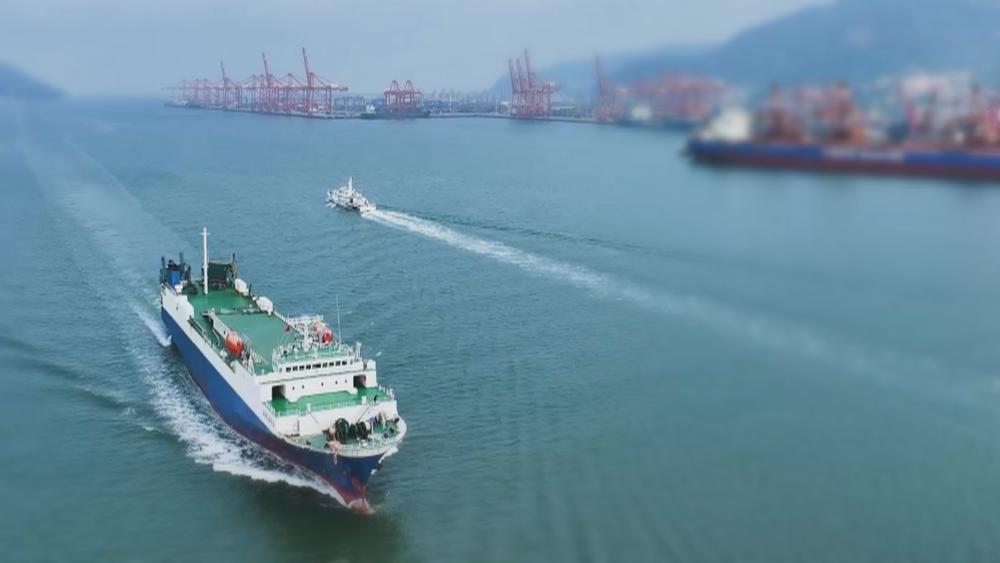
近日,全球航运巨头与“船王”都在疯狂下单 VLCC
Sou Hu Cai Jing· 2025-12-07 22:02
Core Insights - The global VLCC (Very Large Crude Carrier) newbuilding market is experiencing a significant surge, with multiple prominent shipping companies placing orders simultaneously, driven by supply chain cycles, geopolitical energy shifts, and the need to replace aging vessels [1][13]. Group 1: Order Trends - Since July, 38 VLCC new orders have been placed globally, a substantial increase from 12 in the first half of the year, marking a decisive event for the 2025 tanker market [1]. - Idan Ofer's EPS has confirmed an order for 6 VLCCs, totaling between $1.1 billion and $1.6 billion, marking a strong return to the VLCC market after exiting in 2018 [3][4]. - Zodiac Maritime, owned by Eyal Ofer, has also returned to the VLCC market with orders for up to 8 VLCCs and 6 container ships, with a total investment of approximately $1.6 billion [3][4]. Group 2: Market Dynamics - The VLCC spot market has seen day rates exceed $100,000, prompting shipyards to raise newbuilding prices by 5% to 10% [5]. - Ray Car Carriers has doubled its VLCC orders from 4 to 8, indicating a strategic diversification into the VLCC sector [6][7]. - Maran Tankers has signed contracts for 4 VLCCs, marking its return to the market after four years, with a focus on high-end vessel construction [8]. Group 3: Strategic Implications - Trafigura has expanded its VLCC orders to 10, reflecting a strategic bet on the future amid an aging fleet and supply constraints [9]. - Greek shipping companies, including Capital Group and Dynacom, have collectively increased their VLCC orders, signaling a strong market confidence [10]. - Asian shipping giants like HMM and COSCO have also placed significant orders, reinforcing the trend of regional diversification in the VLCC market [11]. Group 4: Structural Forces - The surge in VLCC orders is driven by three structural forces: strong cash flow from high spot rates, the urgent need to replace aging vessels, and tightening emissions regulations necessitating compliant new builds [13][14][15]. - Over 40% of the global VLCC fleet is over 15 years old, indicating a critical replacement phase [14]. - The tightening of carbon emission regulations is pushing shipowners towards high-efficiency and dual-fuel VLCCs, making compliance a necessity for future operations [15]. Group 5: Competitive Landscape - Chinese shipyards, such as Hengli Heavy Industry and Jiangsu Hantong, are positioned as key players in this VLCC wave due to their delivery certainty and cost-effectiveness [15]. - Korean shipyards, including Hanwha Ocean and HD Hyundai, continue to lead in high-end complex vessel construction, solidifying their competitive edge [15].

美国对伊朗制裁再升级,将助力合规市场供需继续改善
2025-03-26 05:07
Summary of Conference Call Records Industry Overview - The records focus on the oil shipping industry, particularly the impact of geopolitical factors such as U.S. sanctions on Iran, OPEC's production decisions, and the Russia-Ukraine conflict on oil transportation demand and supply dynamics [1][2][3][5][10]. Key Points and Arguments 1. **Oil Shipping Demand and Supply Outlook** - The oil shipping supply-demand situation is expected to be better than market expectations over the next two years, driven by resilient traditional energy demand and a projected global crude oil consumption growth rate of around 1% annually [1][4][10]. - OPEC's April production increase is significant, marking a transition to a production growth cycle, which is expected to support export growth and increase transportation demand despite potential oil price declines [1][5][10]. 2. **Impact of U.S. Sanctions on Iran** - The escalation of U.S. sanctions on Iran is anticipated to help restore compliance market demand by reducing the effective supply from shadow fleets, which have previously diverted cargo from compliant markets [1][3][5][18][19]. - The sanctions have led to a notable increase in the global share of VLCCs (Very Large Crude Carriers) on the sanctions list, which is expected to further tighten the market [17][19]. 3. **Geopolitical Factors and Market Sentiment** - There is a significant divergence in views between the industrial sector and capital markets regarding the impact of the Russia-Ukraine negotiations on the oil shipping industry. The industrial sector perceives the impact as neutral to slightly positive, while capital markets are more pessimistic [2][5][20]. - The overall sentiment in the market remains cautious, with a need for systematic review and analysis to better understand short-term and mid-term supply-demand trends [2][4]. 4. **Investment Opportunities in Oil Shipping** - The current risk-reward ratio for investing in the oil shipping industry is considered attractive, with expectations of continued demand growth driven by OPEC's production increases and the tightening of supply due to sanctions [6][9][34]. - Key companies to watch include China Merchants Energy Shipping, China Merchants Jinling Shipyard, and China Shipbuilding Industry Corporation, which are recommended for increased holdings [9][34]. 5. **Supply Dynamics and Future Projections** - The effective supply in the oil shipping industry is expected to remain rigid due to limited new ship deliveries and accelerated scrapping of older vessels, which could mitigate the impact of any demand downturn [4][26][30]. - The anticipated low level of new orders and the aging fleet situation suggest that the supply side will not significantly increase, maintaining a favorable environment for shipping rates [26][28]. Other Important Considerations - The records highlight the complexity of the oil shipping market, influenced by various factors including OPEC's production decisions, geopolitical tensions, and environmental regulations that affect operational speeds and supply dynamics [11][29][33]. - The potential for a recovery in compliant market demand due to stricter sanctions on shadow fleets and the gradual return to normal operational conditions in refineries is emphasized as a critical factor for future market performance [18][25][34].