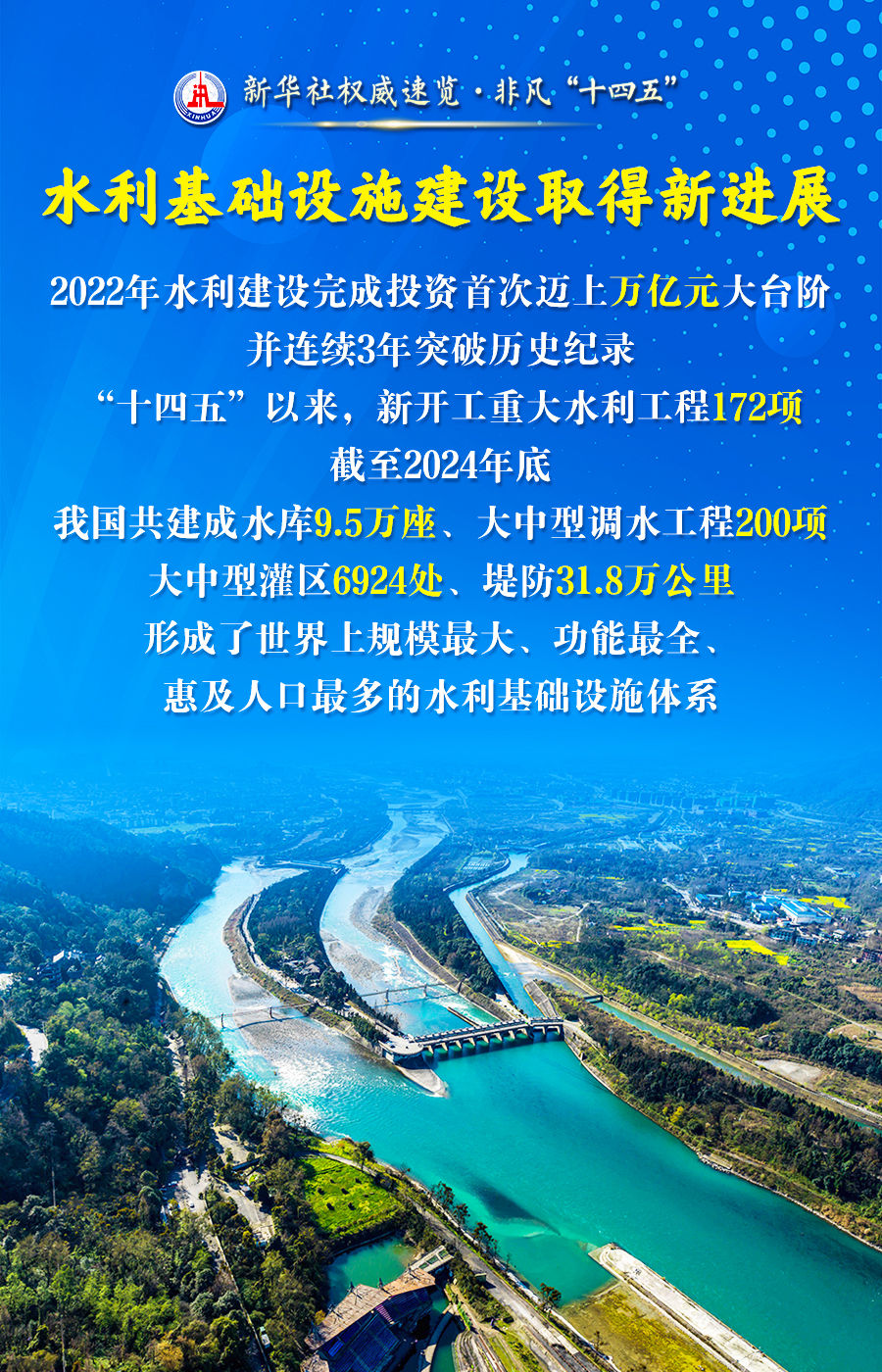
治水

Search documents
求新求变让河湖治理更加精准高效
Xin Lang Cai Jing· 2026-02-27 22:32
Core Insights - The meeting highlighted the achievements of the river and lake chief system in Sichuan during the 14th Five-Year Plan, with over 747 million inspections conducted and more than 230,000 water-related issues resolved [1][2] - The province aims for a 100% excellent water quality rate at 345 national and provincial monitoring points by 2025, which has already improved by 5.5 percentage points compared to the end of the 13th Five-Year Plan [1] Group 1 - The meeting emphasized the need to implement key tasks such as "cleaning rivers, protecting banks, ensuring water quality, conserving water, and banning fishing" to enhance the effectiveness of river and lake management [2] - There is a focus on innovation in concepts, systems, and methods to make river and lake governance more precise and efficient [2] - The establishment of a regular mechanism for identifying, addressing, and coordinating river and lake issues is crucial for effective management [2] Group 2 - The meeting also reviewed the "2026 Work Points for Comprehensive Strengthening of River and Lake Chief System in Sichuan" [3]
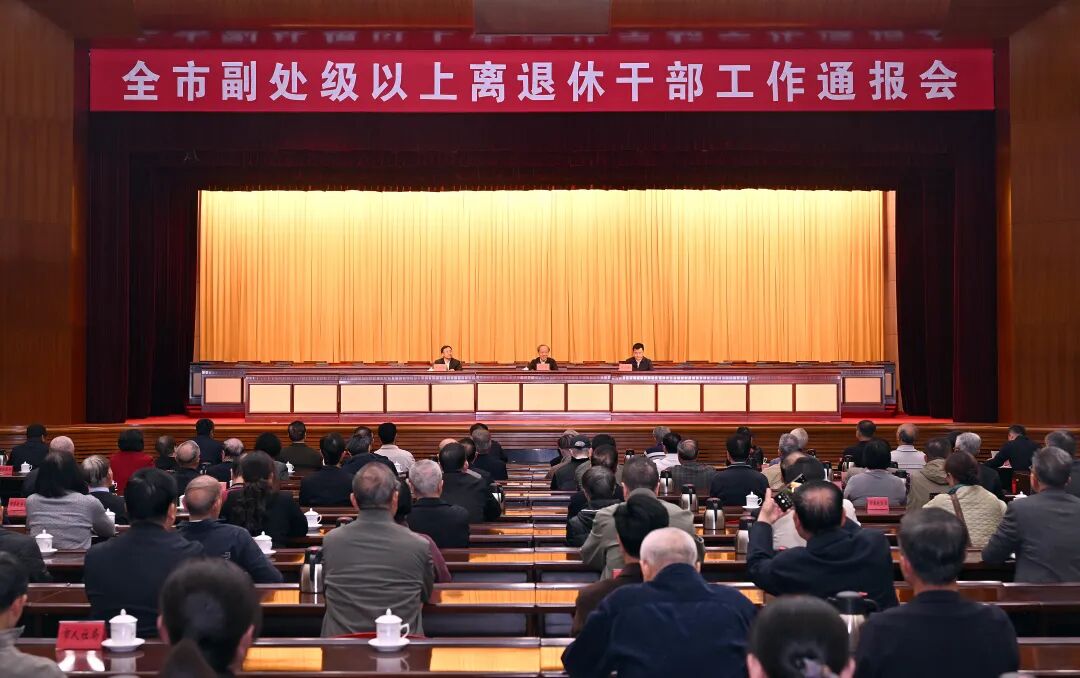
全市副处级以上离退休干部工作通报会召开
Xin Lang Cai Jing· 2026-02-10 15:56
Core Viewpoint - The meeting held by the municipal government aimed to report on the city's work over the past year and discuss future development plans, emphasizing the importance of collaboration between government and enterprises for economic growth [2][3]. Group 1: Economic Development - The city has faced challenges in achieving high-quality development but has made significant progress through leadership and collective efforts, focusing on improving the business environment and stabilizing the manufacturing sector [3]. - Continuous efforts in industrial upgrades and water pollution control have led to noticeable improvements in the town and village landscapes, enhancing the living environment and boosting cultural tourism [3]. Group 2: Community Engagement - The meeting highlighted the importance of honoring the spirit of past leaders and encouraging a collaborative effort among government and community members to tackle challenges and contribute to the city's development [4]. - Attendees expressed confidence in the city's future and pledged continued support for the municipal government's initiatives [4].

水利大师林则徐
Xin Lang Cai Jing· 2026-01-17 07:28
Core Insights - The articles highlight the significant contributions of historical figures in water management in China, particularly focusing on Lin Zexu's innovations and efforts in irrigation systems [2][3][4] Group 1: Historical Contributions - The Dujiangyan irrigation system, established over two thousand years ago, continues to demonstrate the wisdom of ancient Chinese engineering [1] - Lin Zexu, often recognized for his role in the Opium Wars, also made substantial contributions to water management during his time in Xinjiang, improving the traditional Karez irrigation system [2][3] Group 2: Innovations in Water Management - Lin Zexu's modifications to the Karez system increased irrigation efficiency by 40% and expanded the irrigated area by three times, allowing water from Tianshan snow to reach farmland 20 kilometers away [2] - His work in various provinces, including Jiangsu and Zhejiang, involved significant improvements in flood control and irrigation, showcasing a comprehensive approach to water management [3][4] Group 3: Legacy and Recognition - The improved Karez system, referred to as "Lin Gong Well," was recognized as a World Irrigation Heritage site in 2024, marking it as the first ancient water conservancy facility in Xinjiang to receive such an honor [2] - Lin Zexu's writings and strategies on water management have influenced future generations, including notable figures like Zuo Zongtang, who drew on Lin's geographical insights for military campaigns [4]
解题“城乡共富”,中山亮出“百千万工程”三年答卷
Nan Fang Nong Cun Bao· 2025-11-27 01:00
Core Viewpoint - The article highlights the successful implementation of the "Hundred Counties, Thousand Towns, and Ten Thousand Villages" initiative in Zhongshan, showcasing significant economic growth, urban-rural integration, and environmental improvements, ultimately aiming for coordinated and common prosperity. Economic Strength - The "工改" (industrial transformation) initiative has expanded industrial space, leading to a fivefold increase in land productivity, with the area’s capacity rising from 0.5 to 3.2 [18][19]. - Zhongshan's GDP growth rate has exceeded the provincial average for two consecutive years, with rural residents' disposable income reaching 48,000 yuan, ranking second in the province [7][8]. - The urban-rural income ratio has improved to 1.4:1, maintaining the best level in the province for eleven years [10][12]. Urban Beauty - The transformation of polluted rivers into recreational areas has enhanced the quality of life for residents, with parks and leisure facilities now available [40][55]. - Zhongshan has implemented a comprehensive water management system, focusing on source control and integrated treatment of various pollution sources [44][52]. - The city has developed over a hundred beautiful rivers and lakes, turning ecological water into economic resources, thus boosting local economies [51][55]. Social Governance - The introduction of smart city technologies has improved urban management, with real-time monitoring of drainage systems and water quality [59][61]. - Community engagement has been enhanced through platforms like the "岐邻议事厅" (Qilin Neighborhood Council), allowing residents to participate in local governance and decision-making [72][77]. Rural Prosperity - The establishment of 235 strong village companies has led to the professional management of rural resources, significantly increasing collective income [82][90]. - The integration of tourism and agriculture has transformed villages into attractive destinations, with collective economic income in some areas projected to reach 3 million yuan by 2024 [88][90]. Regional Integration - The opening of the Shenzhen-Zhongshan Bridge has facilitated regional connectivity, with an average daily traffic of 86,000 vehicles, promoting integrated development strategies [99][100]. - The establishment of the Deep-Zhong Economic Cooperation Zone has become a core platform for industrial collaboration, enhancing the synergy between Shenzhen's innovation resources and Zhongshan's manufacturing capabilities [103][107].

行走江河看中国|江河之力
Zhong Guo Xin Wen Wang· 2025-10-12 04:33
Core Viewpoint - Water is deeply embedded in Chinese culture, symbolizing both the challenges and the sustenance of civilization, reflecting the historical struggle against floods and the transformation of rivers into sources of life [2] Group 1 - The relationship between the Chinese nation and water has evolved over thousands of years, showcasing a continuous battle against water-related disasters [2] - Water has been a crucial element in shaping agricultural civilization, contributing to prosperity and ecological revival [2] - The transformation of rivers from destructive forces to beneficial resources illustrates the resilience and adaptability of the Chinese people [2]
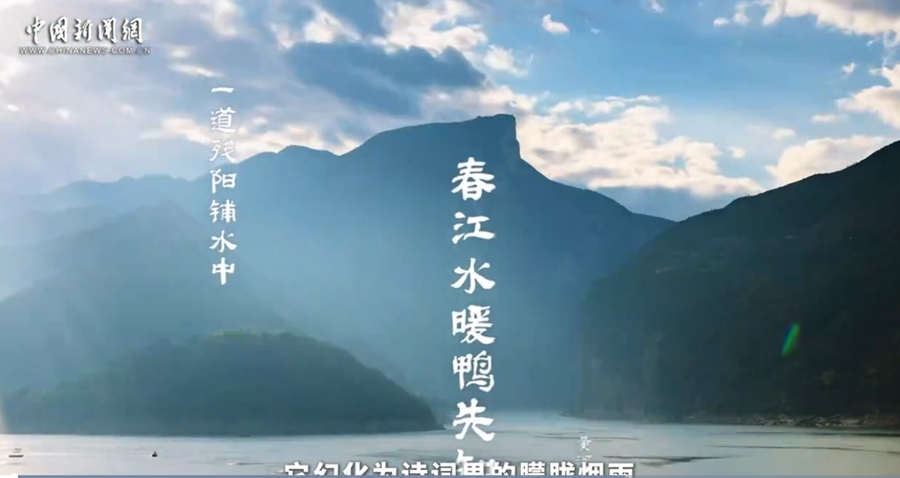
新华社权威速览·非凡“十四五” | 这三个“最”,凸显治水成绩单含金量!
Xin Hua She· 2025-09-29 06:15
Core Insights - China has made significant progress in water management and disaster prevention during the "14th Five-Year Plan" period, contributing to flood safety, water supply security, food security, and ecological safety [1][3]. Group 1: Flood and Disaster Management - The flood control capacity of reservoirs has reached 185.6 billion cubic meters, protecting a population of 660 million people [3]. - The national flood retention area has a capacity of 109 billion cubic meters, with 133,000 hydrological monitoring stations established [3]. - The proportion of flood disaster losses to GDP has decreased from 0.28% during the "13th Five-Year Plan" to 0.18% during the "14th Five-Year Plan" [3]. Group 2: Ecological Restoration - Key rivers and lakes have seen improvements, with a 98.6% compliance rate for ecological flow standards [6]. - Issues related to "disorderly occupation, mining, stacking, and construction" have been addressed, with an expected increase in soil erosion control area by 340,000 square kilometers [6]. - Soil conservation rate has reached 73% [6]. Group 3: Water Resource Utilization - By the end of the "14th Five-Year Plan," the national water network coverage is expected to reach 80%, with irrigated farmland area at 109 million acres and rural tap water coverage at 96% [8]. - Water usage per unit of GDP is projected to decrease by 17.7%, and water usage per unit of industrial added value is expected to decline by 23.6% compared to the end of the "13th Five-Year Plan" [8]. - The effective utilization coefficient of irrigation water has improved from 0.565 at the end of the "13th Five-Year Plan" to 0.58 [8]. Group 4: Modern Governance and Management - New laws and regulations, including the Yangtze River Protection Law and the Yellow River Protection Law, have been implemented to enhance water management [10]. - A total of 1.2 million river and lake chiefs have been appointed to oversee water bodies [10]. - Non-fiscal funding usage averaged 395.7 billion yuan annually over the first four years of the "14th Five-Year Plan," which is 2.3 times that of the "13th Five-Year Plan" [10].