
活态保护

Search documents
遗产保护与城市发展第三条道路: 用“活化”与“可持续”让文脉与发展共生共荣
Yang Zi Wan Bao Wang· 2025-12-12 01:21
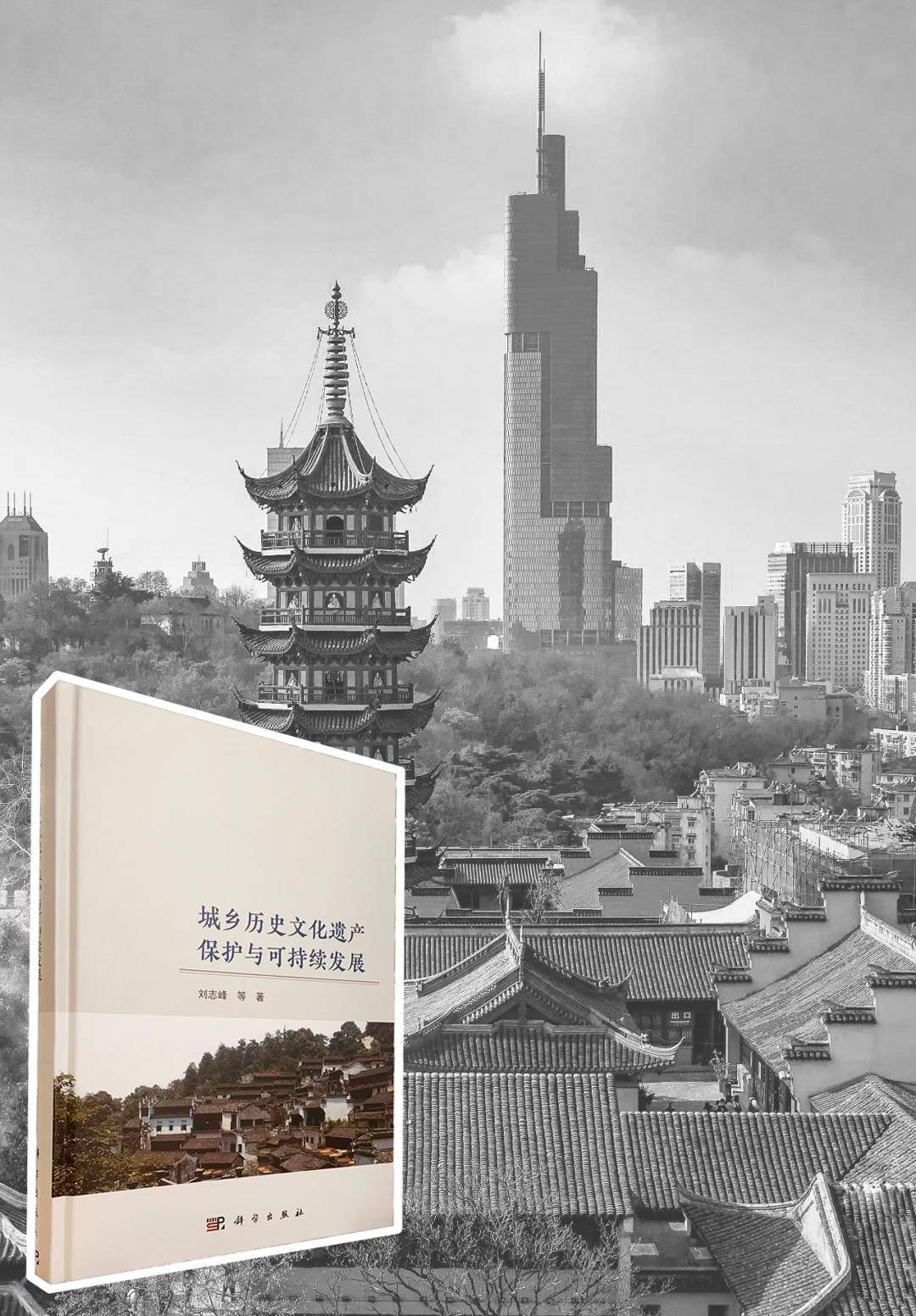
Core Viewpoint - The protection and revitalization of urban and rural historical and cultural heritage is a contemporary responsibility that not only preserves cultural continuity but also stimulates urban and rural development and sustainable growth [1]. Group 1: Theoretical Framework and Policy Analysis - The book establishes a systematic framework for the protection of historical and cultural heritage, linking macro policies to micro practices, and emphasizes the strategic positioning of cultural heritage work in the new era [3]. - It constructs a "theory-generation-practice" logical system for heritage protection, integrating various heritage objects and practices into a unified scientific framework and action program [3]. - The theoretical construction aims to shift the current fragmented and specimen-like protection practices towards a proactive approach that leads urban and rural development [3]. Group 2: Multi-Scale and Dynamic Perspectives - The book adopts a dual perspective of "multi-scale" and "dynamic" analysis, exploring protection and renewal issues across different spatial scales, from historical cities to communities and industrial heritage [4]. - It introduces quantitative analysis tools to examine the interaction between urban development, public perception, and heritage protection, breaking the limitations of traditional static planning [4]. - This approach reveals the internal mechanisms of the contradictions between protection and development, providing a basis for constructing forward-looking and flexible protection strategies [4]. Group 3: Activation and Sustainable Development - The core focus of the book is on the "activation" and "sustainable development" of historical and cultural heritage, emphasizing the integration of heritage into modern life and its role as a cultural capital and development engine [5]. - It presents various strategies such as "cultural tourism integration," "industry linkage," and "community co-construction" to reshape heritage value and stimulate local endogenous power [5]. - The principles of "dynamic protection," "moderate development," and "living protection" are advocated, forming a toolbox that provides important references for the protection and activation of different types of heritage [5].


探寻传统村落流量密码
Jing Ji Ri Bao· 2025-09-20 22:17
Core Insights - Traditional villages are becoming a significant attraction in the cultural tourism market, drawing nearly 300 million visitors in the first half of the year, highlighting their strong appeal as tourist destinations [1] - The preservation of traditional villages is essential for retaining cultural heritage, promoting tourism, revitalizing industries, and enhancing the livelihoods of local communities [2] - A total of 8,155 traditional villages have been included in protection lists across six batches, establishing a multi-level protection system that has shown significant results [3] Group 1: Cultural Heritage and Tourism - Traditional villages like Gao Yi Ancient Village in Hunan and Wulin Traditional Village in Fujian showcase rich historical architecture and cultural significance, with Gao Yi preserving 104 ancient buildings and Wulin housing 132 diverse architectural styles [2][3] - The integration of cultural and tourism activities is evident in places like Donghu Village in Fujian, which has developed a model combining art, culture, and tourism, attracting over 2,000 artists annually [4] Group 2: Economic Development and Community Involvement - The development of traditional villages is tailored to local resources and characteristics, promoting unique industries that enhance villagers' income [5] - Wulin Village has attracted 6 million visitors since its opening in 2021, with a high occupancy rate of over 80% for new businesses, demonstrating the economic potential of traditional village tourism [6] - Financial support initiatives, such as "乡旅贷" from Agricultural Bank, have been crucial in empowering villagers to participate in tourism projects, transforming abandoned assets into profitable ventures [6] Group 3: Sustainable Development Mechanisms - The integration of cultural empowerment and industrial development has led to a sustainable growth model for traditional villages, with tourism-related activities generating approximately 34.2 billion yuan in consumption in the first half of the year [6]