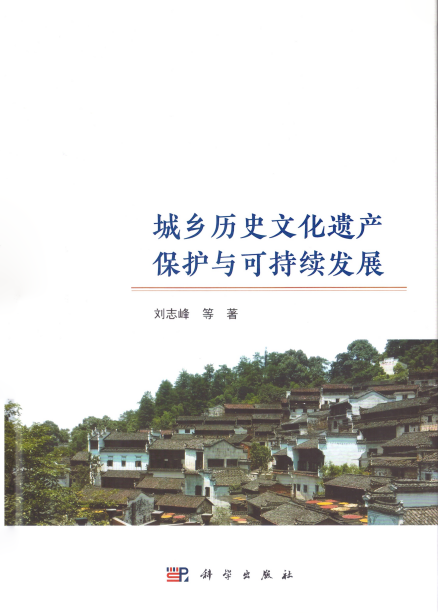
《城乡历史文化遗产保护与可持续发展》

Search documents
遗产保护与城市发展第三条道路: 用“活化”与“可持续”让文脉与发展共生共荣
Yang Zi Wan Bao Wang· 2025-12-12 01:21
Core Viewpoint - The protection and revitalization of urban and rural historical and cultural heritage is a contemporary responsibility that not only preserves cultural continuity but also stimulates urban and rural development and sustainable growth [1]. Group 1: Theoretical Framework and Policy Analysis - The book establishes a systematic framework for the protection of historical and cultural heritage, linking macro policies to micro practices, and emphasizes the strategic positioning of cultural heritage work in the new era [3]. - It constructs a "theory-generation-practice" logical system for heritage protection, integrating various heritage objects and practices into a unified scientific framework and action program [3]. - The theoretical construction aims to shift the current fragmented and specimen-like protection practices towards a proactive approach that leads urban and rural development [3]. Group 2: Multi-Scale and Dynamic Perspectives - The book adopts a dual perspective of "multi-scale" and "dynamic" analysis, exploring protection and renewal issues across different spatial scales, from historical cities to communities and industrial heritage [4]. - It introduces quantitative analysis tools to examine the interaction between urban development, public perception, and heritage protection, breaking the limitations of traditional static planning [4]. - This approach reveals the internal mechanisms of the contradictions between protection and development, providing a basis for constructing forward-looking and flexible protection strategies [4]. Group 3: Activation and Sustainable Development - The core focus of the book is on the "activation" and "sustainable development" of historical and cultural heritage, emphasizing the integration of heritage into modern life and its role as a cultural capital and development engine [5]. - It presents various strategies such as "cultural tourism integration," "industry linkage," and "community co-construction" to reshape heritage value and stimulate local endogenous power [5]. - The principles of "dynamic protection," "moderate development," and "living protection" are advocated, forming a toolbox that provides important references for the protection and activation of different types of heritage [5].


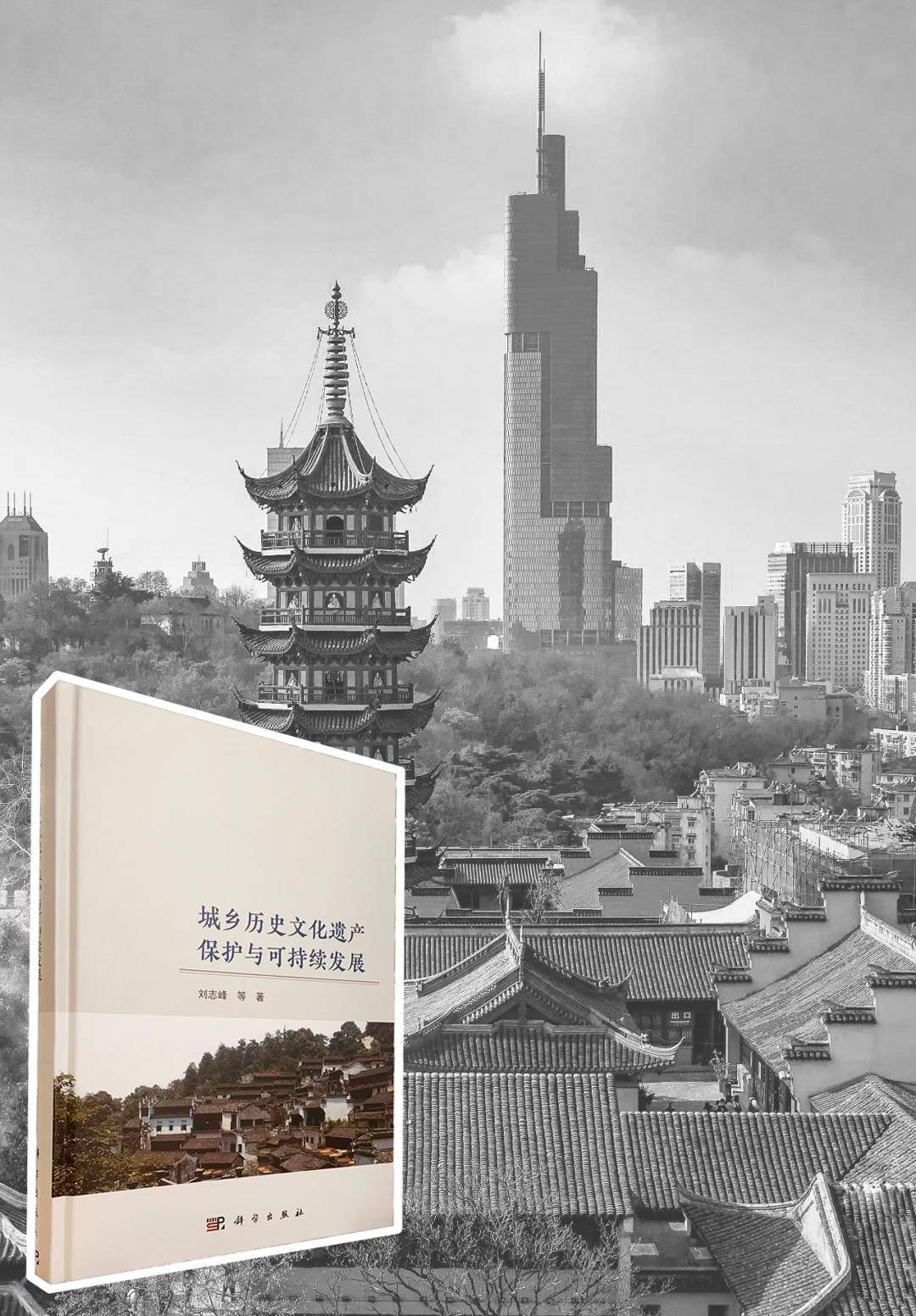
城乡遗产保护的“中国智慧”,在《城乡历史文化遗产保护与可持续发展》中被看见
Yang Zi Wan Bao Wang· 2025-12-09 02:47
Core Viewpoint - The book "Urban and Rural Historical and Cultural Heritage Protection and Sustainable Development" addresses the need for balancing heritage protection with urban and rural development, emphasizing the importance of cultural transmission and high-quality development for the future [1] Group 1: Theoretical Framework - The book constructs a comprehensive theoretical framework from macro to micro levels, providing a systematic approach to heritage protection that avoids the limitations of narrow research perspectives [3] - It analyzes the interconnections between different scales of heritage protection, linking city expansion, street aesthetics, and village spatial structures, thereby offering a holistic view of heritage management [3] Group 2: Sustainable Pathways - The core value of the book lies in its practical orientation, proposing actionable solutions for sustainable development that transition from mere preservation to active revitalization of heritage [4] - It discusses various methodologies for protection, such as dynamic protection and micro-renewal, while also exploring innovative strategies for activating heritage through cultural tourism and industrial synergy [5] Group 3: Applicability and Replicability - The book uses Jiangsu as a case study to reflect broader national issues in heritage protection, making its findings applicable and replicable across China [6] - The protection concepts and planning methods presented are deeply rooted in local practices and Chinese context, offering a framework that is not merely a transplant of foreign theories [6]