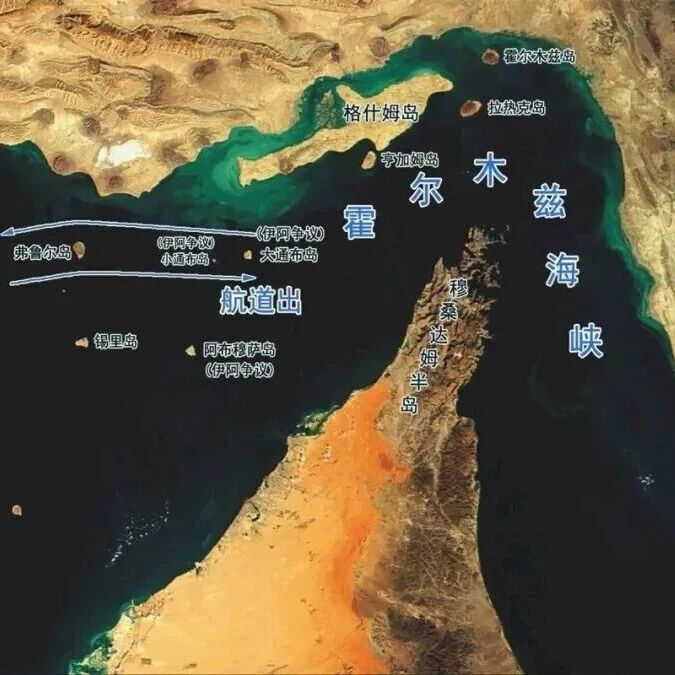
海峡通航秩序重构

Search documents
巴基斯坦:伊朗同意新增放行20艘巴船只通过霍尔木兹海峡
美股IPO· 2026-03-29 01:47
Core Viewpoint - The article highlights the recent developments regarding the navigation status of the Strait of Hormuz, indicating a positive shift with Iran allowing additional Pakistani vessels to pass through, which is seen as a constructive gesture towards regional stability [3]. Group 1: Navigation Developments - Iran has agreed to allow 20 additional Pakistani vessels to pass through the Strait of Hormuz, with two ships expected to transit daily [3]. - The current navigation situation remains significantly below pre-war levels, with only four tracked vessels completing passage recently, compared to nearly 100 vessels before the conflict [4]. - Since the onset of the conflict on February 28, the daily number of vessels passing through the Strait has been low, with a maximum of around 10 vessels per day [4]. Group 2: Regional Diplomatic Efforts - Malaysia and Thailand have received commitments from Iran for their vessels to pass through the Strait, while Indonesia is in discussions regarding the release of two detained oil tankers [4]. - The Iranian parliament is considering legislation to impose fees on vessels attempting to navigate the Strait, which could generate significant revenue [5]. Group 3: Economic Implications - The Strait typically sees the passage of 20 million barrels of oil and petroleum products daily, equivalent to 10 Very Large Crude Carriers (VLCCs) [5]. - If a fee of $2 million per vessel is implemented, it could result in monthly revenues of $600 million [5].