海洋塑料污染

Search documents
“小鱼小虾都抓光了!”无人机拍下揪心一幕,连绵百米“绝户网”竟成鸟类致命陷阱
Xin Lang Cai Jing· 2026-01-04 10:44
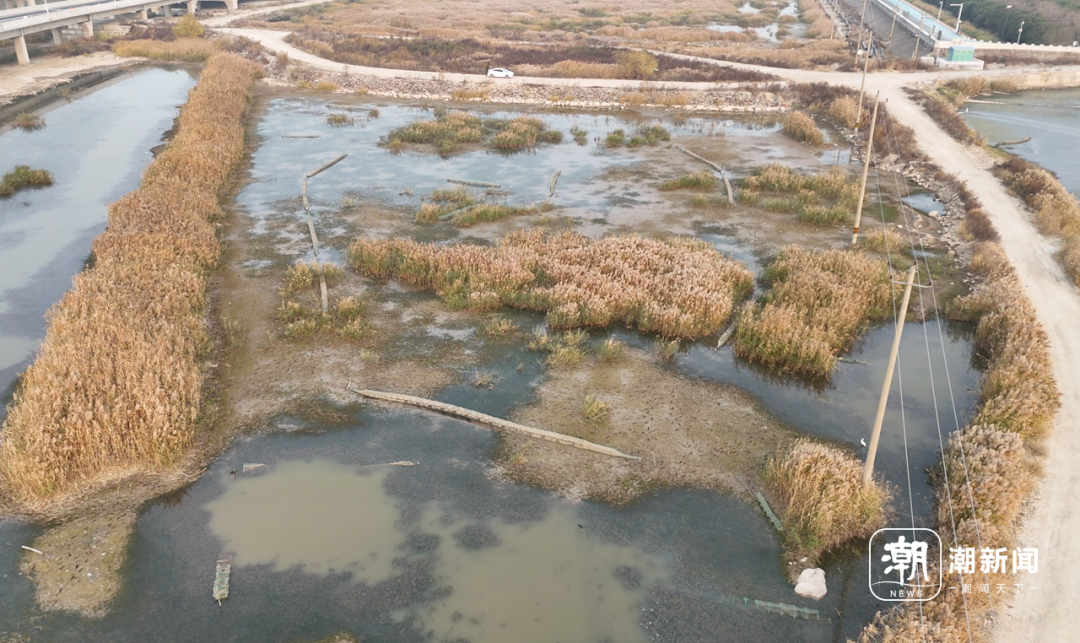
Core Viewpoint - The use of gill nets, known as "dead-end nets," in Ningbo Qianwan New Area is causing significant ecological damage to marine resources and bird populations, raising concerns about illegal fishing practices and environmental degradation [1][4][17]. Group 1: Ecological Impact - Gill nets are widely used in the coastal wetlands of Ningbo Qianwan New Area, leading to the capture of various marine species and contributing to the decline of local fishery resources [1][4]. - The presence of gill nets poses a lethal threat to migratory and resident bird species, with reports of birds getting trapped and dying in these nets [5][8]. Group 2: Illegal Fishing Practices - Local fishermen have reported that the number of gill nets has increased significantly over the years, with many users lacking the necessary fishing permits, indicating a rise in illegal fishing activities [4][11]. - The use of gill nets is prohibited in open marine waters according to regulations set by the Zhejiang Provincial Ocean and Fisheries Bureau, yet enforcement appears to be lacking [16][17]. Group 3: Management and Enforcement Issues - Management stations intended to regulate access to the wetlands are reportedly ineffective, with personnel accepting bribes to allow unauthorized entry, undermining conservation efforts [11][13]. - The low cost of gill nets leads to widespread abandonment of damaged nets, contributing to marine plastic pollution and further complicating cleanup efforts [10][12].

近海水产养殖业塑料污染不容忽视,专家呼吁加强监管
Di Yi Cai Jing· 2025-12-09 01:36
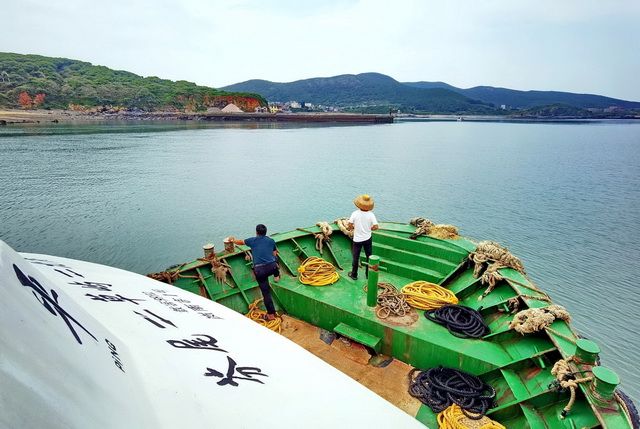
Core Viewpoint - Experts are calling for a green transformation in China's nearshore aquaculture industry to address plastic pollution, emphasizing the need for proper disposal of discarded fishing gear and enhanced management of coastal waters [1][5]. Group 1: Plastic Pollution Sources and Impact - Discarded fishing gear is a significant source of marine plastic waste, severely impacting marine ecosystems [1][6]. - Plastic constitutes 89.8% of floating debris in marine environments, indicating a more severe water pollution issue compared to beach (79.1%) and seabed (75.4%) debris [1]. - The types of plastic waste include products made from polyethylene (PE, ~40%), polypropylene (PP, ~20%), polyvinyl chloride (PVC, ~10%), and polystyrene (PS, ~5%), primarily originating from aquaculture [2]. Group 2: Environmental and Economic Consequences - Discarded fishing gear contributes to the death of non-target marine animals, with potential economic losses estimated at $300,000 annually [4]. - The presence of microplastics, resulting from broken fishing gear, poses a continuous pollution risk and affects marine biodiversity and ecosystem functions [4]. - Aquaculture practices lead to the accumulation of microplastics, with farmed species showing a higher likelihood of microplastic ingestion compared to wild counterparts [4]. Group 3: Recommendations for Management and Regulation - Experts recommend establishing a comprehensive marine plastic pollution source inventory and a monitoring system for nearshore aquaculture [5]. - The development of a plastic gear recycling system and the promotion of environmentally friendly materials are suggested to mitigate plastic waste [5]. - The recent draft of the national ecological environment standard for marine microplastic monitoring emphasizes the need for a systematic approach to assess environmental quality and microplastic distribution [7].