
混动重卡

Search documents
混动重卡新车角逐 2026谁能杀出重围?| 头条
第一商用车网· 2026-03-07 06:14
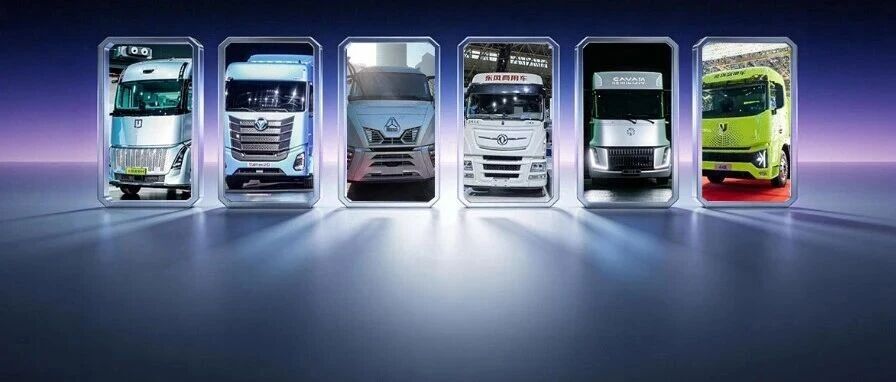
Core Viewpoint - The heavy-duty truck sector is rapidly transitioning towards new energy and intelligent solutions, driven by the "dual carbon" strategy and the need for cost reduction and efficiency in the logistics industry. Hybrid heavy-duty trucks are expected to see explosive growth, with sales in January 2026 projected to increase by 259% year-on-year, marking a significant turning point in the market [1]. Industry Landscape - The current market for hybrid heavy-duty trucks is characterized by clear technological differentiation, with HEV and PHEV models developing in tandem. HEV models are expected to dominate the market in the short term due to their suitability for long-haul routes without the need for additional charging. PHEV models are anticipated to gain traction over the next three years, offering enhanced fuel economy for medium to short-distance scenarios [3]. - Customization for specific scenarios has become a core competitive advantage, with manufacturers focusing on optimizing technology for niche markets rather than pursuing all-encompassing products. This includes enhancements for high-frequency start-stop scenarios in engineering and cold chain logistics, as well as the integration of hybrid and zero-carbon fuels in closed environments like ports and mines [3]. Product Innovations - The hybrid heavy-duty truck products are showcasing significant features of technological innovation, scenario segmentation, and product upgrades. For instance, the Yuanmeng Xinghan H hybrid truck is designed for long-haul logistics, featuring a powerful hybrid architecture and a comprehensive energy management system, achieving a range of over 1500 kilometers [4][6]. - The Ouman Galaxy's new generation hybrid truck, launched recently, includes three models and utilizes a super hybrid 3.0 intelligent platform, covering 86 transportation scenarios and breaking the limitations of hybrid truck applications [6][8]. - The Heavy Truck Huanghe H7 hybrid truck combines traditional design with innovative hybrid technology, achieving energy efficiency and adaptability for long-distance transport [9][10]. - The Dongfeng Tianlong KX dual-engine hybrid truck is tailored for long-distance gas transport, featuring a powertrain that optimizes fuel consumption and energy recovery, with a potential annual fuel cost saving of 48,000 yuan [14]. - The Foton Kaven BEACON represents a groundbreaking "electric and hydrogen" intelligent platform, offering multiple energy solutions and addressing the industry's long-distance hydrogen fuel truck gap [16]. - The United Heavy Truck "Cloud Phoenix" hybrid truck adopts a "large battery, small range extender" approach, effectively addressing the range anxiety associated with new energy trucks [18]. Conclusion - The hybrid heavy-duty truck market is diversifying with various technological paths, from methanol hybrid architectures to gas hybrids and innovative structural designs. The market outlook for these hybrid products appears promising, with significant advancements in energy efficiency and operational capabilities [19].

混动重卡销量暴涨背后,东风商用车如何卡位中长途干线赛道?| 头条
第一商用车网· 2025-11-20 03:11
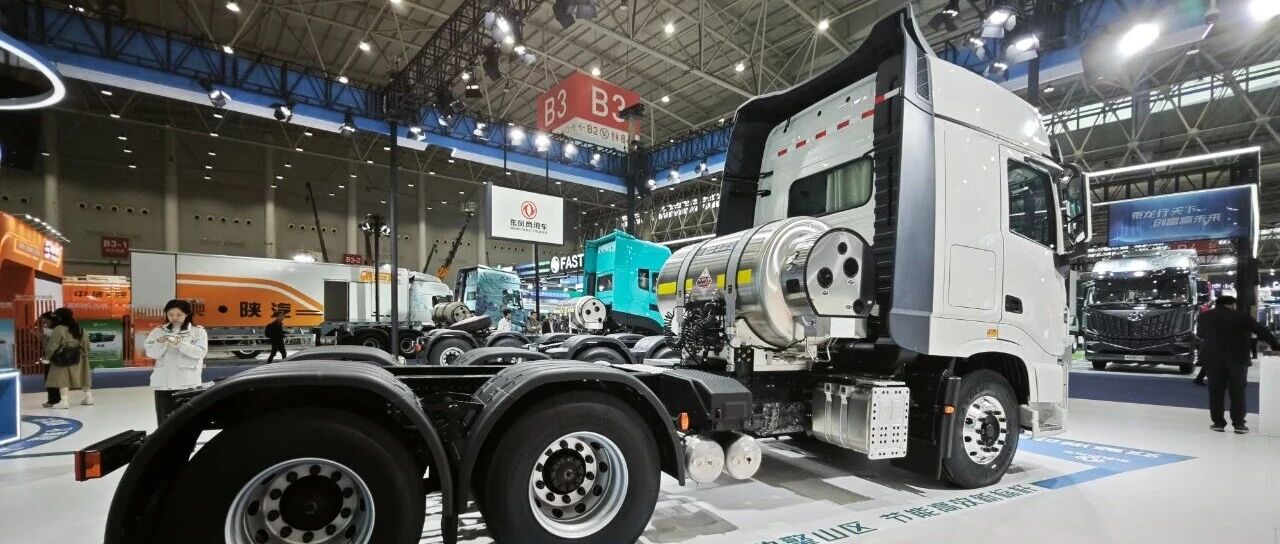
Core Viewpoint - Dongfeng Commercial Vehicle showcased multiple hybrid heavy-duty truck models at the 2025 Wuhan Commercial Vehicle Exhibition, emphasizing its technological foundation and market foresight in the wave of commercial vehicle electrification [1] Industry Trends - The heavy-duty truck industry is undergoing an energy transition with multiple technological routes such as pure electric, hybrid, hydrogen fuel, and gas coexisting, driven by the ongoing "dual carbon" goals [1][4] - Hybrid heavy-duty trucks are emerging as a key solution for medium to long-distance logistics, positioning Dongfeng Commercial Vehicle as a leader in this niche market [1][4] Product Highlights - Dongfeng Commercial Vehicle presented two hybrid tractor models: the Dongfeng Tianlong KX dual-engine hybrid tractor and the Dongfeng Tianlong KL range-extended hybrid tractor, targeting specific market segments like mountainous long-distance transport and resource transportation [6][10] - The Dongfeng Tianlong KX features a powerful engine and electric motor combination, achieving a 10% fuel savings in mountainous conditions, while the KL model boasts a peak power of 510 kW and a torque of 2800 Nm, enhancing energy efficiency [8][10] Technological Innovations - The hybrid models support features like pure electric start, energy recovery during braking, and integrated thermal management, ensuring low energy consumption even in frequent stop-and-go conditions [12] - Dongfeng Commercial Vehicle is committed to a multi-energy strategy, showcasing not only hybrid models but also displaying alcohol and ammonia engines, indicating a comprehensive approach to energy diversification [13][15] Future Outlook - The company is developing a unified multi-energy engine platform, which includes diesel, gas, hydrogen, ammonia, and methanol technologies, aiming to maintain a competitive edge in future energy transitions [15] - Dongfeng Commercial Vehicle's focus on user scenarios and technological leadership positions it well to navigate the evolving landscape of the commercial vehicle industry, particularly as zero-carbon fuel technologies mature [15]
6月销量翻倍式增长,新能源重卡市场迎来一位新玩家
Di Yi Cai Jing· 2025-07-01 13:21
Group 1: Market Overview - The heavy truck market in China has seen a continuous increase, with sales reaching approximately 92,000 units in June 2025, representing a year-on-year growth of about 29% since April 2025 [1] - The penetration rate of new energy heavy trucks has exceeded 23% for three consecutive months, with sales expected to surpass 15,000 units, reflecting a year-on-year increase of over 120% [1] Group 2: Policy and Technological Developments - Policies such as "trade-in" subsidies for heavy truck replacements and the upcoming "National VI" emission standards have contributed to the rapid development of new energy heavy trucks [1] - Great Wall Motors has entered the heavy truck market with its G1050 hybrid model, targeting logistics sectors like express delivery and cold chain, featuring advanced technology and a starting price of 536,600 yuan [1] Group 3: Competitive Landscape - The current market for new energy heavy trucks is primarily dominated by pure electric technology, but there is a growing need for hybrid models due to the diverse operational scenarios and cost advantages [2] - The total cost of ownership (TCO) for hybrid heavy trucks is projected to be approximately 350,000 yuan lower than that of diesel trucks over their lifecycle [2] Group 4: Future Projections - The penetration rate of hybrid heavy trucks is expected to grow significantly, with projections of 1%, 5%, and 10% for 2024, 2025, and 2026 respectively, and a potential market share of 30% by 2030 [3] - The hybrid heavy truck segment is anticipated to penetrate areas such as heavy-duty engineering vehicles and long-distance transport in hilly and mountainous regions, which currently account for over 40% of heavy truck sales [3] Group 5: Competitive Challenges - The heavy truck sector is experiencing intense competition, with domestic brands holding significant market share while foreign brands like Volvo and Daimler are reducing costs through local production [4] - Financial promotions such as "zero down payment" and "zero interest" have become common in the industry, but they may lead to increased actual costs for consumers due to hidden fees [4]