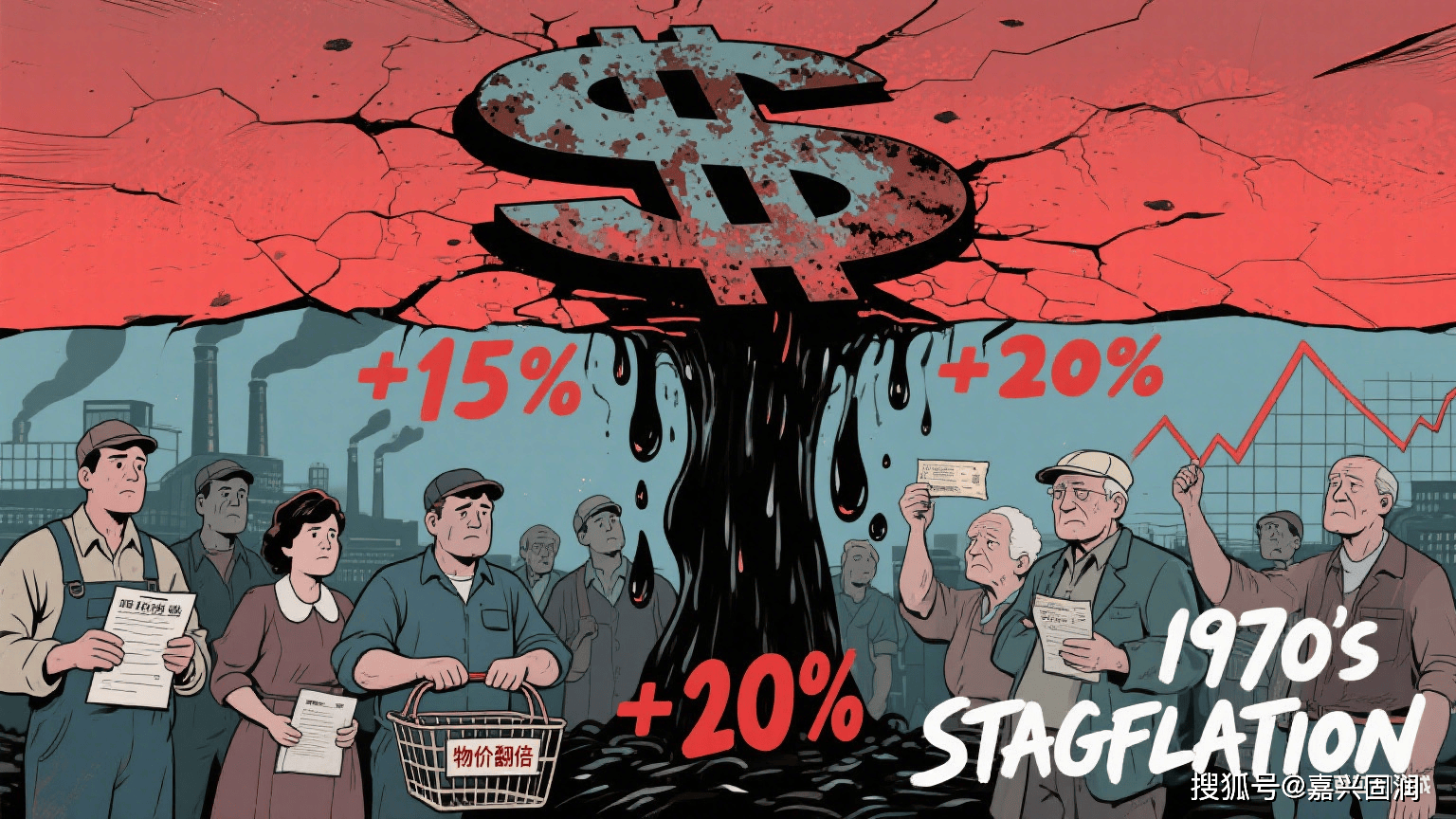
滞胀(Stagflation)

Search documents
宏观冲击对亚洲市场的影响-Asia Compass-The Macro Fallout for Asian Markets
2026-03-30 05:15
Summary of Key Points from the Conference Call Industry Overview - The conference call primarily discusses the implications of the Iran conflict on Asian markets, focusing on macroeconomic factors such as inflation and growth vulnerabilities in the region [1][2]. Core Insights - The conflict has disrupted traditional market narratives, leading to a more stagflationary outlook with rising inflation risks and vulnerable growth, particularly in energy-importing economies in Asia and Europe [7]. - The missile strikes on Qatar's Ras Laffan LNG complex have transformed a temporary disruption into a structural shock, removing nearly 13 million tons per annum (mtpa) of supply for several years, which tightens the global gas market beyond 2026 [9]. - The closure of the Strait of Hormuz has resulted in significant supply shocks, with fuel shortages emerging, particularly in jet fuel and naphtha, and a prolonged closure could lead to demand destruction [11]. - The Brent price forecast has been increased to $80 for 2027, reflecting the ongoing supply chain issues and market dynamics [11]. Market Dynamics - The environment for investors is becoming more binary, with deeper escalation in the conflict making diversification more challenging and increasing downside risks for risk assets [7]. - The report emphasizes that cash and government bonds are becoming more relevant as defensive assets in the current market environment [7]. Alternative Investments - There is an evolving appetite for alternative investments, with a shift towards infrastructure, private equity, and tax-efficient strategies, despite a temporary pause in private credit [12][13]. - The wealth channel remains underpenetrated, indicating potential growth opportunities in alternative investments [13]. Market Forecasts - Key market forecasts indicate significant potential declines in various indices, with the MSCI Emerging Markets index projected to drop by 27.5% in a bear case scenario [20]. - The report outlines specific index targets for December 2026, with varying scenarios for different markets, including a bear case and a bull case [20]. Additional Insights - The report highlights the challenges of diversification in the current market environment, where equities, bonds, and gold have moved in the same direction at times [2]. - The potential for demand destruction due to prolonged supply chain issues is a critical concern for the energy sector [11]. Conclusion - The ongoing geopolitical tensions, particularly the Iran conflict, are reshaping market dynamics in Asia, leading to increased inflation risks and vulnerabilities in growth, necessitating a reevaluation of investment strategies and asset allocations [1][7][9].
美国经济正走向滞胀。但这次跟以往有所不同
Sou Hu Cai Jing· 2025-09-01 01:37
Economic Outlook - The U.S. economy may be entering a period of '70s-style stagflation, but economists expect it to be less severe this time [2][7][18] - Many forecasters indicate that the U.S. is experiencing slow economic growth alongside rising inflation, primarily driven by President Trump's tariffs [3][7] Inflation and Economic Growth - Economists predict that inflation will peak at a 3.5% annual increase, significantly above the Federal Reserve's target of 2%, but far below the double-digit inflation of the 1970s [11][14] - The economy is expected to grow at an annual rate of 1%, which is less than half of the 2.5% average since 2010, yet it would avoid a recession [14] Federal Reserve's Role - Federal Reserve Chair Jerome Powell has hinted at stagflation risks in recent speeches, indicating potential challenges ahead [15][16] - The ability of the Federal Reserve to manage inflation and growth may depend on its political independence, especially with pressures from President Trump [20][22]