炒货刺客

Search documents
春节第一社交“硬通货”,又涨价了
3 6 Ke· 2026-02-07 01:48
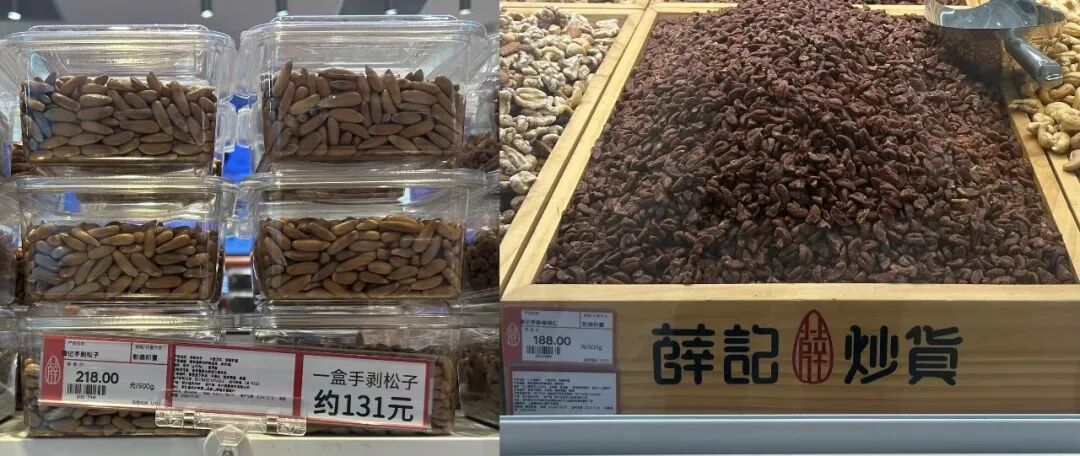
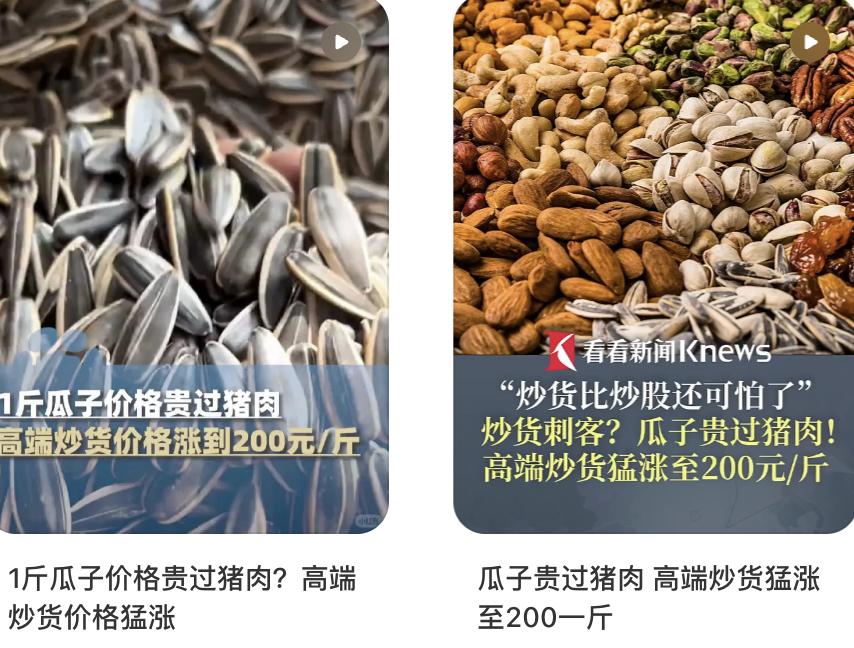
Core Insights - The rising prices of snack foods, particularly nuts and dried fruits, have become a significant financial burden during the Chinese New Year, with some items costing more than traditional staples like pork [2][4][5] - The phenomenon of high snack prices is attributed to various factors, including supply chain issues, import dependencies, and a shift towards premium branding and marketing strategies in the snack industry [23][27][29] Price Trends - Snack prices have been increasing steadily over the past few years, with some items now priced at over 100 yuan per pound, reflecting a significant markup compared to previous years [5][11][15] - Specific examples of high prices include cashews at 88 yuan per pound and hand-shelled pine nuts at 218 yuan per pound, indicating a trend of premium pricing in the market [11][20] Consumer Behavior - Consumers are increasingly willing to spend on high-priced snacks during the New Year, viewing them as essential gifts and a means to facilitate social interactions during family gatherings [34][38] - The act of purchasing these snacks has become a social media phenomenon, with consumers sharing their expensive purchases online, further driving demand and brand visibility [13][20] Market Dynamics - The snack industry is experiencing a transformation, with traditional vendors evolving into upscale brands that emphasize quality and presentation, leading to higher operational costs and, consequently, higher prices [27][29] - The market for nuts and snacks is projected to exceed 300 billion yuan by 2024, highlighting the significant growth potential within this sector [31]

商场B1层,来了新“刺客”?
3 6 Ke· 2026-02-02 07:23
Core Insights - The article highlights the phenomenon of "snack assassins," referring to snack shops like Xueji Fried Goods and Qiwang Peanuts, where consumers often experience unexpectedly high bills for seemingly small purchases [1][2][6] Pricing and Consumer Experience - Consumers frequently report spending hundreds of yuan on small quantities of snacks, leading to a perception of being "stung" by high prices [1][2] - Xueji Fried Goods and Qiwang Peanuts are known for their high pricing, with products like Hawaiian nuts priced at 185 yuan and hand-peeled pine nuts at 218 yuan for 500g, significantly higher than competitors [4][6] Business Model and Costs - The high prices are attributed to various costs, including store rent, decoration, and employee salaries, particularly in prime shopping mall locations [8][10][12] - Xueji Fried Goods has over 1,200 stores, while Qiwang Peanuts has more than 800, with a significant percentage located in B1 and B2 levels of shopping malls [8][9] Market Trends and Challenges - Despite the expansion of store numbers, the growth rate of new openings is slowing down, indicating a potential decline in product appeal [15] - The differentiation based on "freshly roasted" products is being questioned, as only a limited range of items are actually roasted on-site, leading to consumer skepticism [17][18]