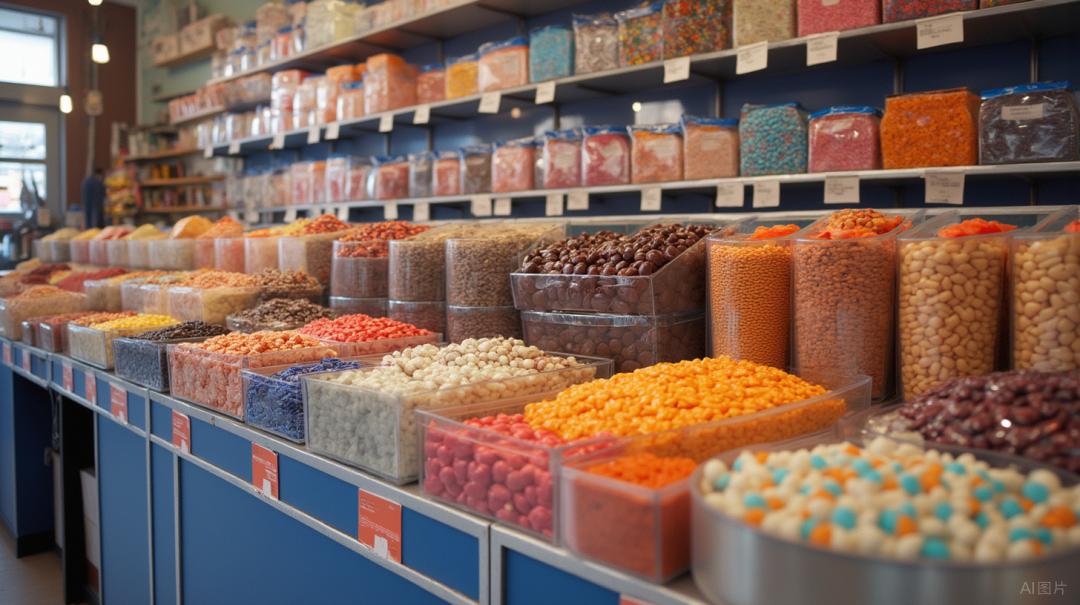
手剥松子

Search documents
炒货为何定高价
Xin Lang Cai Jing· 2026-02-24 22:23
Core Insights - The high pricing of snack nuts is influenced by brands targeting the high-end market, product taste recognition, enhanced marketing efforts, and seasonal supply-demand changes [1][2] Group 1: Pricing Factors - Brands are focusing on high-end markets, emphasizing premium ingredients and upgraded processes, leading to higher costs [2] - Unique product flavors are gaining recognition among certain consumer groups, who are willing to pay for differentiated experiences [2] - Intensive marketing has increased brand awareness and recognition, allowing for higher pricing power [2] - Seasonal demand spikes during holidays contribute to increased sales of snack nuts [2] Group 2: Consumer Behavior - The influence of social media and peer effects drives consumers to purchase trending products, as seen in posts describing them as "the ceiling of New Year goods" [2] - Sales tactics such as "filling to round up" and "taste testing" can lead consumers to unintentionally increase their purchase amounts [2] - Consumers often lack a clear perception of the relationship between weight and price, leading to acceptance of bills that exceed their budget due to social pressures [2] Group 3: Market Outlook - The snack food industry in China is projected to reach a scale of 11,804 billion yuan by 2025, indicating significant market potential but increasing competition [3] - Brands should focus on technological upgrades and enhancing consumer experiences by developing healthy recipes and offering flexible packaging options [3] - Clear pricing and measurement labeling are essential to avoid misleading consumers and ensure that innovation serves health needs and convenience [3] - Long-term brand sustainability requires aligning prices with product value, avoiding blind pursuit of high-end labels, and optimizing supply chain management for cost efficiency [3]
一斤松子抵20斤猪肉?实探新春“炒货市场”
Hua Xia Shi Bao· 2026-02-22 02:03
Core Viewpoint - The rising prices of nuts and seeds during the Spring Festival have led to consumer hesitation, with some products priced significantly higher than traditional food items, prompting discussions about the pricing logic in the snack industry [4][9][19] Pricing Trends - Prices for nuts have surged, with sunflower seeds reaching 23.8 yuan per jin and hand-shelled pine nuts as high as 218 yuan per jin, leading to comparisons where one jin of nuts can buy 20 jin of pork [4][9][11] - The pricing strategy has shifted from a focus on raw material costs to include factors like rental costs, emotional premiums, and storytelling, reflecting a fundamental change in the industry’s pricing paradigm [13][14] Consumer Behavior - Consumers are increasingly opting for bulk purchases to manage costs, with many expressing discomfort over high prices and the shift from traditional pricing methods to per-piece pricing [6][9] - The perception of high-end brands like Xueji has changed, with consumers now viewing them as benchmarks for value rather than luxury [9][14] Market Dynamics - The contrast between bustling retail stores and quieter wholesale markets indicates a significant transformation in the distribution channels and value structures within the nut industry [11][13] - The growth of gift box products during the festive season highlights a shift in consumer preferences, where the social currency of gifting is becoming more important than the actual food value [16][18] Future Outlook - Analysts predict a dual strategy for brands, focusing on both premium gift boxes and affordable bulk options to cater to diverse consumer needs [18][19] - The industry is expected to return to a focus on value, with a potential shift towards transparency in pricing and product quality to regain consumer trust [19]

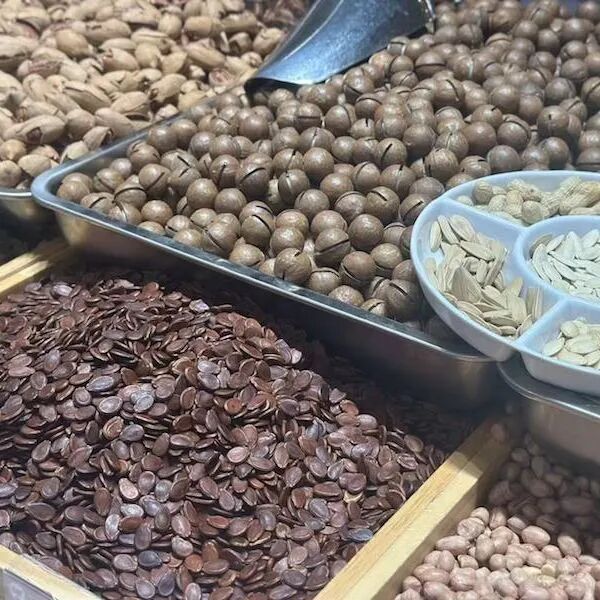
一斤松子抵20斤猪肉?实探新春“炒货市场”|新春走基层
Sou Hu Cai Jing· 2026-02-21 09:22
Core Viewpoint - The rising prices of snack foods during the Spring Festival have led to consumer hesitation, with some products priced significantly higher than traditional food items, prompting discussions about the pricing logic behind these snacks [4][6][12]. Group 1: Price Trends and Consumer Behavior - Snack prices have surged, with sunflower seeds exceeding 23 yuan per jin and hand-shelled pine nuts reaching 218 yuan per jin, leading to comparisons with luxury brands [4][6]. - Consumers are increasingly opting for bulk purchases to manage costs, reflecting a shift in purchasing behavior from traditional fixed weights to more flexible options [5][8]. - The psychological impact of high prices has altered consumer perceptions, with traditional snacks now viewed as premium products rather than everyday items [8][11]. Group 2: Market Dynamics and Pricing Logic - The pricing strategy in the snack industry has shifted from a focus on raw material costs to include factors like rental costs and emotional value, resulting in higher consumer prices [11][12]. - The disparity between wholesale market conditions and retail store dynamics highlights a transformation in the snack industry, with retail locations experiencing high foot traffic but also incurring significant operational costs [9][11]. - The emergence of gift boxes as a significant product category reflects a change in consumer expectations, where the social value of snacks is becoming more important than their nutritional value [12][15]. Group 3: Future Trends and Industry Insights - Analysts predict a dual strategy for brands, focusing on both premium gift packaging and affordable bulk options to cater to diverse consumer needs [16][17]. - The snack industry is expected to face challenges in balancing quality, innovation, and pricing, as consumer expectations evolve alongside market dynamics [17][18]. - Transparency in pricing and product quality will be crucial for brands to build consumer trust and maintain competitiveness in a rapidly changing market [16][17].
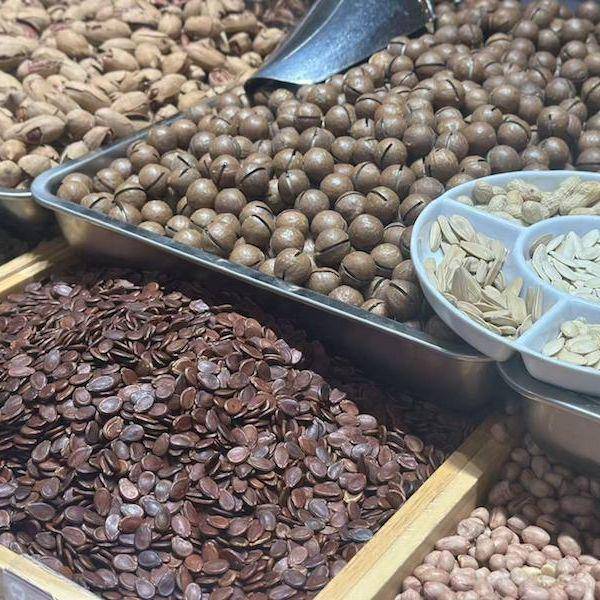
手剥松子卖出278元/500克!长沙高端炒货走俏年货市场
Xin Lang Cai Jing· 2026-02-11 17:43
Core Insights - The high-end snack market, particularly for nuts, is experiencing significant price increases, with some products reaching over 200 yuan per 500 grams, reflecting a shift towards premium offerings during the Chinese New Year season [1][3][5] - Consumer enthusiasm remains strong despite rising prices, indicating a trend towards high-end and gift-oriented purchases in the snack market [1][9] Market Trends - The demand for high-quality nuts such as pistachios, macadamia nuts, and imported cashews has surged, with prices ranging from 87.8 yuan to 188 yuan per 500 grams [5][7] - New Year gift boxes priced between 200 to over 300 yuan are particularly popular, catering to the gifting culture during the festive season [5][11] Consumer Behavior - Consumers are increasingly prioritizing product quality, taste, and packaging aesthetics over price when purchasing snacks for the New Year [9][11] - High-end snacks are becoming a preferred choice for gifting, as they are seen as practical and suitable for all ages, further driving sales in this segment [9][11] Market Segmentation - The snack market is showing a clear segmentation, with brand stores focusing on quality and gift packaging, while traditional stores offer more affordable options for everyday consumption [9][11] - Consumers exhibit a rational mindset, choosing products based on their intended use, with a preference for high-quality items for gifting and cost-effective options for personal consumption [11]
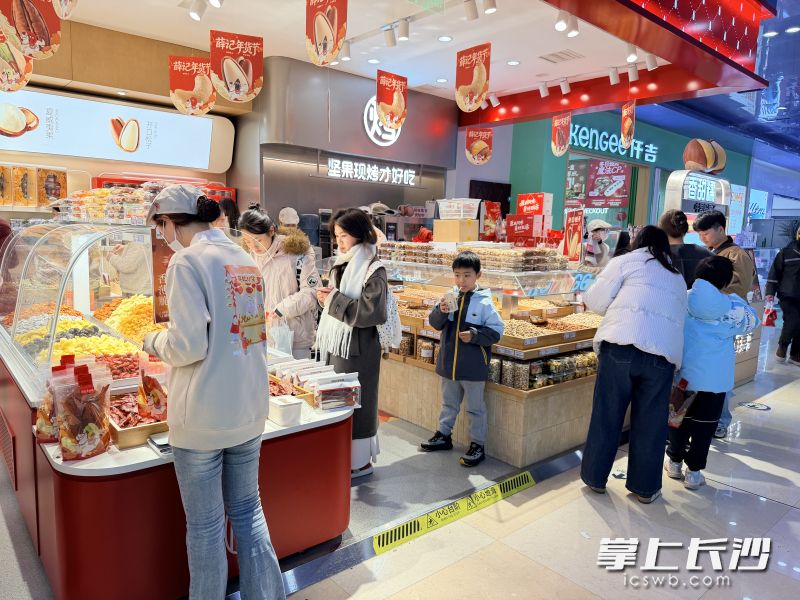
春节第一社交“硬通货”,又涨价了
3 6 Ke· 2026-02-07 01:48
Core Insights - The rising prices of snack foods, particularly nuts and dried fruits, have become a significant financial burden during the Chinese New Year, with some items costing more than traditional staples like pork [2][4][5] - The phenomenon of high snack prices is attributed to various factors, including supply chain issues, import dependencies, and a shift towards premium branding and marketing strategies in the snack industry [23][27][29] Price Trends - Snack prices have been increasing steadily over the past few years, with some items now priced at over 100 yuan per pound, reflecting a significant markup compared to previous years [5][11][15] - Specific examples of high prices include cashews at 88 yuan per pound and hand-shelled pine nuts at 218 yuan per pound, indicating a trend of premium pricing in the market [11][20] Consumer Behavior - Consumers are increasingly willing to spend on high-priced snacks during the New Year, viewing them as essential gifts and a means to facilitate social interactions during family gatherings [34][38] - The act of purchasing these snacks has become a social media phenomenon, with consumers sharing their expensive purchases online, further driving demand and brand visibility [13][20] Market Dynamics - The snack industry is experiencing a transformation, with traditional vendors evolving into upscale brands that emphasize quality and presentation, leading to higher operational costs and, consequently, higher prices [27][29] - The market for nuts and snacks is projected to exceed 300 billion yuan by 2024, highlighting the significant growth potential within this sector [31]
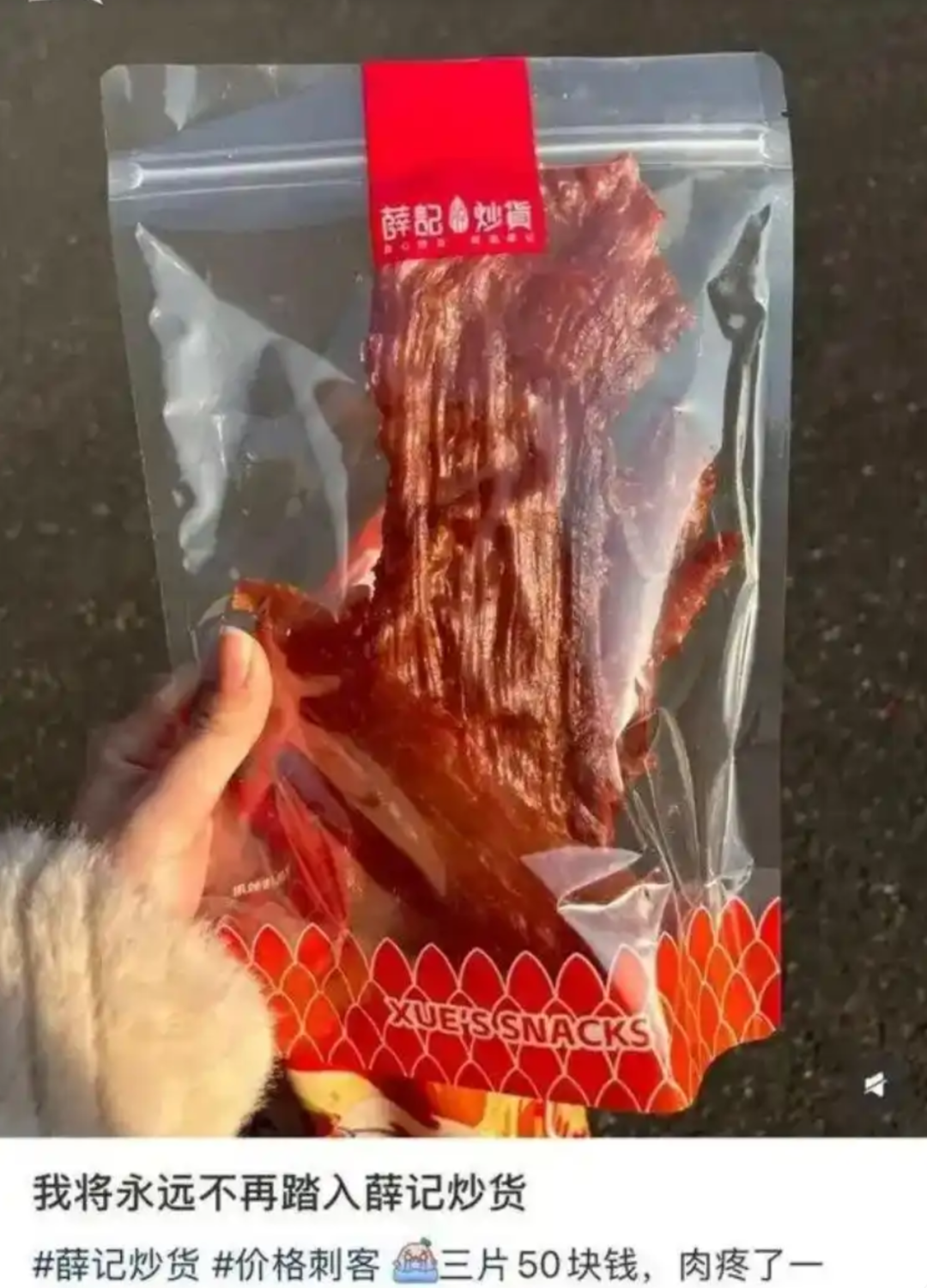
薛记珠宝VS琦王金铺 高端炒货成“轻奢”
Mei Ri Shang Bao· 2026-02-02 23:24
Core Insights - The high-end snack market, particularly for nuts, is experiencing significant price increases, leading to consumer backlash on social media [1][2] - The trend of premiumization in the nut snack sector is evident, with brands like Xueji and Qiwang positioning themselves as luxury products [2][3] Pricing and Consumer Sentiment - Consumers are expressing frustration over high prices, with products like Hawaiian nuts priced at 185 yuan and hand-peeled pine nuts at 218 yuan per 500 grams [2] - Comparatively, mainstream brands offer more affordable options, such as a box of cashews for 40.9 yuan, highlighting the price disparity [2] Brand Positioning and Costs - Xueji and Qiwang emphasize high-quality ingredients and artisanal production methods, which contribute to their higher pricing [3] - The brands invest heavily in packaging and marketing to position their products as premium, with significant costs associated with store rent and employee salaries [3] Market Expansion and Challenges - Despite expanding store counts, the pace of new openings for Xueji and Qiwang is slowing, indicating potential challenges in maintaining consumer interest [4] - The perception of freshness associated with "freshly roasted" products is being questioned, as only a limited range of items are actually prepared on-site [4] Consumer Trends and Market Growth - Nuts have become a staple in Chinese New Year celebrations, with nut gift boxes dominating the market, accounting for 42.3% of new year gift purchases [5] - The nut snack market in China is projected to grow from over 300 billion yuan in 2024 to 428.3 billion yuan by 2029, indicating a substantial market expansion [6]
从炒货摊到“珠宝店”,谁给瓜子镶了金边?
Xin Lang Cai Jing· 2026-02-01 08:00
Group 1 - The core issue highlighted is the high pricing of premium snacks, particularly at brands like Xueji, where products such as sunflower seeds and pine nuts are priced at 23.8 yuan per jin and 218 yuan per jin respectively, while pork averages around 10 yuan per jin [1][6] - Social media reactions indicate that consumers are frustrated with the pricing, with some referring to Xueji as a "jewelry store" and "the Hermes of snacks" due to its high prices [1][3] - The rise in prices is attributed to several factors, including consumption upgrades, increased costs from rent and decoration for high-end brands, and a surge in demand during the Spring Festival [7] Group 2 - The market for nuts and snacks in China is experiencing significant growth, with the market size surpassing 300 billion yuan in 2024 and projected to reach 428.3 billion yuan by 2029, indicating a market increment of over 100 billion yuan in five years [7] - Despite the growth, issues such as product homogenization and excessive brand premiums are becoming more pronounced, with many brands offering similar flavors and products [7] - Consumer complaints are rising regarding the value of snack gift boxes, with examples of misleading packaging where a significant portion of the weight is attributed to non-nut items, further aggravating perceptions of high prices [8]
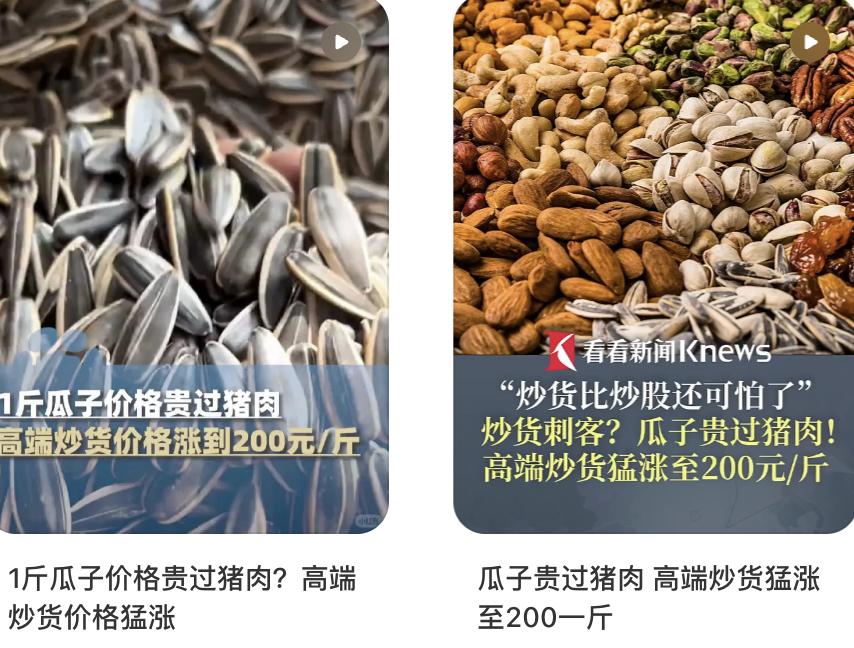
瓜子价格贵过猪肉,高端炒货价格猛涨至200元/斤
Xin Lang Cai Jing· 2026-01-31 14:19
Core Viewpoint - The high-end snack market, particularly for nuts and seeds, is experiencing significant price increases, with some products reaching luxury price points, driven by consumer demand and market dynamics [1] Group 1: Market Trends - The price of basic snacks like sunflower seeds and peanuts has reached 23.8 yuan per jin, while premium nuts such as pistachios and freshly roasted cashews are nearing 100 yuan per jin, with hand-peeled pine nuts priced at an astonishing 218 yuan per jin [1] - The average price of pork is around 10 yuan per jin, highlighting the stark contrast in pricing between traditional food items and high-end snacks [1] Group 2: Factors Influencing Prices - Consumer upgrades and the entry of high-end snack brands into shopping malls have led to increased costs, which are being passed on to consumers through higher prices [1] - Upgrades in raw materials and production processes are also contributing to the price hikes, with brands like Xueji controlling the quantity of seeds to ensure quality [1] Group 3: Market Potential - According to iMedia Consulting, over 80% of consumers spend between 20 to 100 yuan monthly on nuts and snacks, with a significant portion purchasing these products at least once a month [1] - The market size for China's nut and snack industry surpassed 300 billion yuan in 2024 and is projected to grow to 428.3 billion yuan by 2029, indicating a market increment of over 100 billion yuan in five years [1]
这届零食,越贵越高端?
3 6 Ke· 2025-10-10 04:06
Core Insights - The rising prices of snacks, particularly in the context of "light luxury" experiences, have led to a perception that everyday snacks are becoming unaffordable, with brands like "薛记炒货" and "么凤士多" exemplifying this trend [1][11][19] - The shift from a focus on taste and value to brand recognition and high pricing has created a disconnect between consumer expectations and actual product value, leading to a decline in "snack freedom" [2][5][10] Industry Evolution - The snack market has evolved from a diverse selection of local and unbranded products to a more concentrated market dominated by well-known brands like 良品铺子 and 三只松鼠, which have changed consumer purchasing habits [2][4] - The initial price wars among snack brands led to significant consumer benefits, but as brands established themselves, they began to increase prices, often without clear justification [4][5] Consumer Behavior - Consumers have increasingly associated brand names with quality, leading to a willingness to pay more for branded snacks, but this has also resulted in a backlash as prices have escalated beyond reasonable limits [5][10][18] - The emergence of "平价白牌" snack stores has highlighted a shift back towards value-driven purchasing, with these stores rapidly gaining market share by offering competitive pricing [8][10] Financial Performance - The financial performance of traditional snack brands has declined, with 三只松鼠 and 良品铺子 experiencing significant revenue drops, indicating a potential market correction as consumers seek better value [10][11] - 良品铺子 has initiated a major price reduction strategy in response to declining sales, but the effectiveness of this strategy remains uncertain as consumer perceptions of high pricing linger [10][11] Market Trends - The snack industry is witnessing a trend where high pricing is often mistaken for high quality, leading to a "high-end disease" where brands fail to provide tangible value for their elevated prices [12][19] - The industry's focus on high pricing without corresponding value has led to a growing consumer demand for transparency and justification of costs, indicating a shift towards more rational purchasing behavior [18][19]