爆品开发

Search documents
未来10年,这18个赛道将带来48万亿美元收入
创业家· 2026-03-20 10:20
Core Insights - McKinsey's report identifies 18 industry sectors likely to reshape the global business landscape, predicting revenues of $29 trillion to $48 trillion by 2040, contributing 18-34% to global GDP growth [2] E-commerce - By 2040, e-commerce's share of global retail revenue is expected to rise to 27%-38%, up from approximately 20% currently [3] - Growth drivers include market expansion in developing countries and new product categories in developed nations, such as healthcare and emotionally valuable products [4] - Significant investments are anticipated in customer acquisition and last-mile delivery across e-commerce platforms [5] Electric Vehicles - Electric vehicles (EVs) are projected to exceed 50% of global passenger car sales by 2040 [6] - Breakthroughs in battery technology and smart algorithms will significantly influence this sector, prompting increased R&D investments from both EV manufacturers and traditional automakers [7] Cloud Services - The demand for higher storage and computing capabilities is rising as the world becomes more interconnected, particularly with the advent of new AI products requiring substantial computational power [9] - The cloud services industry experienced a compound annual growth rate (CAGR) of 17% from 2005 to 2020, with similar growth expected in the coming decades [10] Semiconductors - The semiconductor industry is forecasted to grow at a CAGR of 6%-8% over the next decade, driven by demand across various sectors including computing, data storage, automotive, and industrial electronics [11] AI Software Services - The rapid development of AI has led to its classification as a distinct sector, with increasing numbers of users adopting AI assistants [12] - Companies in the AI space are engaged in a competitive race to develop advanced foundational models and applications [13] Digital Advertising - Digital advertising is expanding in value as the global middle class increases and internet usage rises, with algorithms improving the ability to target customers and track advertising costs [14] - Platforms must invest heavily to create engaging content to capture user attention amid competition [15] Streaming Video - Investment in customer acquisition and content production is rising, prompting streaming platforms to seek new revenue models [17] - Developing countries are expected to contribute to growth in subscription and advertising revenue, with projections indicating over 1 billion households subscribing to long-form video services by 2040 [18] Shared Autonomous Vehicles - The advent of autonomous driving technology may reduce the need for personal vehicle ownership, with shared autonomous vehicles projected to account for 25%-51% of shared mobility revenue by 2040 [19][20] Space Economy - The world is on the brink of entering a space economy era, with advancements in reusable rocket technology changing the aerospace industry [21][22] Cybersecurity - Cybercrime caused direct economic losses of approximately $950 billion in 2020, with indirect losses potentially reaching $4-6 trillion [24] - Increasing awareness of cybersecurity has led companies to enhance their investments in this area [25] Batteries - Significant advancements in battery technology have tripled energy density over the past few decades, with demand driven by the energy transition, electric vehicles, and consumer electronics [26][27] - By 2040, electric vehicles are expected to account for over 80% of the battery market [28] Video Games - By 2030, an estimated 40% of the global population may become video game players, driven by new mobile and cloud gaming models [30] - Free-to-play games are generating substantial revenue, with budgets for AAA games reaching $200 million for releases in 2025 [32] Robotics - The integration of AI with robotics is expected to lead to significant advancements, with humanoid robots being viewed as potential "ultimate intelligent agents" [33][34] Industrial and Consumer Biotechnology - Breakthroughs in gene editing and other technologies are accelerating the application of biotechnology in agriculture, alternative proteins, consumer products, and biomaterials [37] Modular Construction - Modular construction methods, which involve prefabricating building components for on-site assembly, can significantly enhance construction efficiency [38] Nuclear Fission Power - The development of safer, smaller modular reactors presents opportunities for supplementing renewable energy sources [39] Air Traffic - Electric vertical takeoff and landing vehicles and delivery drones are poised to revolutionize air traffic, although regulatory progress remains a key factor [41] Obesity Treatment Drugs - The prevalence of obesity is projected to rise from 15% in 2020 to 24% by 2035, indicating a potential market for effective weight loss products [43]


河北父子卖面粉,从小作坊干到世界第一
创业家· 2025-12-26 10:30
Core Viewpoint - The article highlights the remarkable growth and success of Wudeli Flour, emphasizing its commitment to quality and customer satisfaction over the past 36 years, which has led it to become a global leader in the flour industry [6][34]. Company Development - Wudeli Flour has maintained its position as the world's top-selling flour brand for ten consecutive years, with a daily production capacity that has grown from 15 tons to 80,000 tons, representing an increase of nearly 5,333 times [6][32]. - The company was founded in 1989 by Dan Zhimin and his family, starting as a small workshop with limited resources and evolving into a major player in the flour market [11][13][14]. - The brand name "Wudeli" was established in 1993, reflecting its operational philosophy of benefiting all stakeholders involved in the flour production process [22][24]. Market Strategy - Wudeli's strategy includes building factories in major wheat-producing regions to ensure fresh and cost-effective processing, which has been a key factor in its operational efficiency [27][28]. - The company has invested significantly in advanced technology and equipment, including a 200 million yuan investment in 2005 to automate its production processes, enhancing product quality without raising prices [31][32]. Product Innovation - Wudeli has established a dedicated research institute for flour, focusing on developing products that cater to diverse consumer preferences, including specialized flours for various cooking methods [38][42]. - The company has also diversified its product offerings to include feed ingredients and industrial flour, demonstrating its commitment to innovation and market responsiveness [39]. Operational Excellence - Wudeli has implemented a smart platform that integrates its factories, logistics, and customer orders, ensuring consistent product quality and efficient operations across its extensive network [45][46]. - The company has built a reputation for reliability and quality, with a significant market share in China's flour industry, estimated at about one-third [32][34]. Commitment to Quality - Wudeli's business philosophy emphasizes integrity and quality, ensuring that every bag of flour meets strict quality standards and is accurately weighed [43][44]. - The company has avoided aggressive advertising, relying instead on the quality of its products to build its brand reputation over the years [48]. Industry Position - Wudeli is recognized not only as a giant in the Chinese market but also as a leader in the global flour industry, setting a benchmark for quality and operational excellence [34][55].

一颗柠檬撑起10亿营收!饮料赛道又杀出一匹“大黑马”
Sou Hu Cai Jing· 2025-10-08 00:44
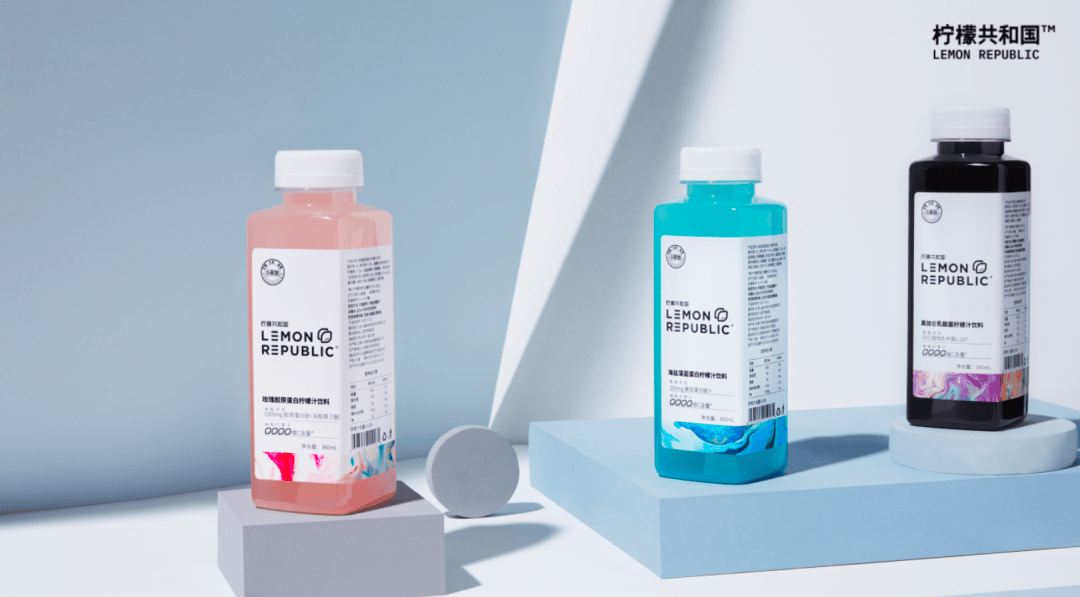
Core Insights - The article highlights the success of the beverage brand "Lemon Republic," which has managed to thrive in a highly competitive market, achieving over 1 billion in revenue within five years of its establishment [2][3]. Group 1: Market Context - The Chinese beverage market has over 5000 varieties, but less than 2% of brands survive beyond five years [2]. - Lemon Republic stands out as a new player that has broken the norm, achieving significant growth and recognition in a short period [2][3]. Group 2: Product Development - The core of a successful beverage brand is its product, which is likened to a snowball effect where a good product is essential for growth [4]. - Initial product offerings faced challenges, but the team focused on consumer feedback to align products with consumer perceptions [8][10]. - The brand has successfully created differentiated flavors that appeal to consumers who enjoy sour tastes, leading to a loyal customer base [12]. Group 3: Innovation and Expansion - Lemon Republic has consistently launched 1-2 hit products each year, expanding its product line by exploring various flavor combinations and categories [3][14]. - The brand's strategy includes leveraging the versatility of lemons to create new products, such as lemon-flavored sparkling drinks and teas [14][19]. Group 4: Marketing Strategy - The brand emphasizes understanding consumer needs and preferences, utilizing insights to guide product development and marketing strategies [29][42]. - Lemon Republic has shifted its marketing approach to focus on storytelling and emotional connections with consumers, rather than just product features [36][37]. Group 5: Brand Vision - The long-term goal for Lemon Republic is to establish itself as a beloved brand that resonates with consumers on a deeper level, beyond just selling beverages [36][42]. - The brand aims to create a unique identity that reflects its values and connects with consumers' lifestyles, moving away from a purely transactional relationship [42].