物种分类学

Search documents
全球蜜蜂物种总数有了最新测算值
Huan Qiu Wang Zi Xun· 2026-02-27 01:26
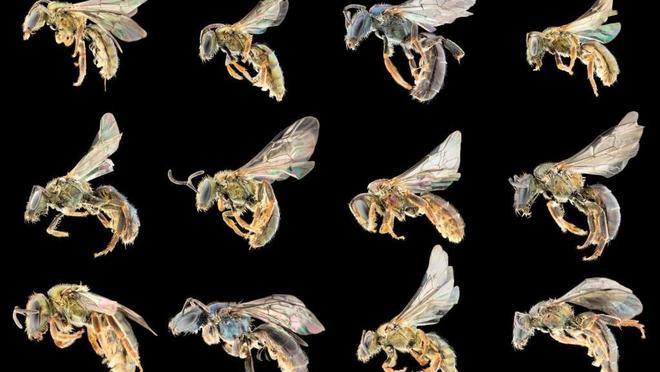
Core Insights - The research team from the University of Wollongong has provided the most accurate estimate of global bee species, identifying between 24,705 and 26,164 species, which is an increase of 3,700 to 5,200 species compared to previous estimates [1][3] Group 1: Research Methodology - The team conducted a global "census" of bees by integrating a vast database, national species lists, and detailed literature records, applying statistical models to assess bee species numbers across 186 countries [3] - The study revealed a previously unknown distribution pattern, indicating that countries like Sweden and Switzerland have relatively complete bee species records, while Turkey is estimated to have 843 undiscovered species [3] Group 2: Ecological Importance - Understanding the number of bee species in a region is crucial for land planning, conservation efforts, and comprehending the entire ecosystem and evolutionary history [3] - Bees play a vital role in maintaining agricultural yields and the health of ecological environments, making their diversity a cornerstone of these systems [3] Group 3: Future Research and Biodiversity - Since 1960, scientists have been adding approximately 117 new bee species annually, indicating a significant gap in knowledge that may take 30 to 45 years to fill due to a shortage of taxonomic experts [3] - The new research serves as a "treasure map" for future discoveries of new species and provides important perspectives for understanding global biodiversity, with an estimated total of around 2.2 million species on Earth [3]

秦始皇祖母陵墓出土的长臂猿为灭绝新物种
Yang Shi Xin Wen· 2025-11-08 03:49
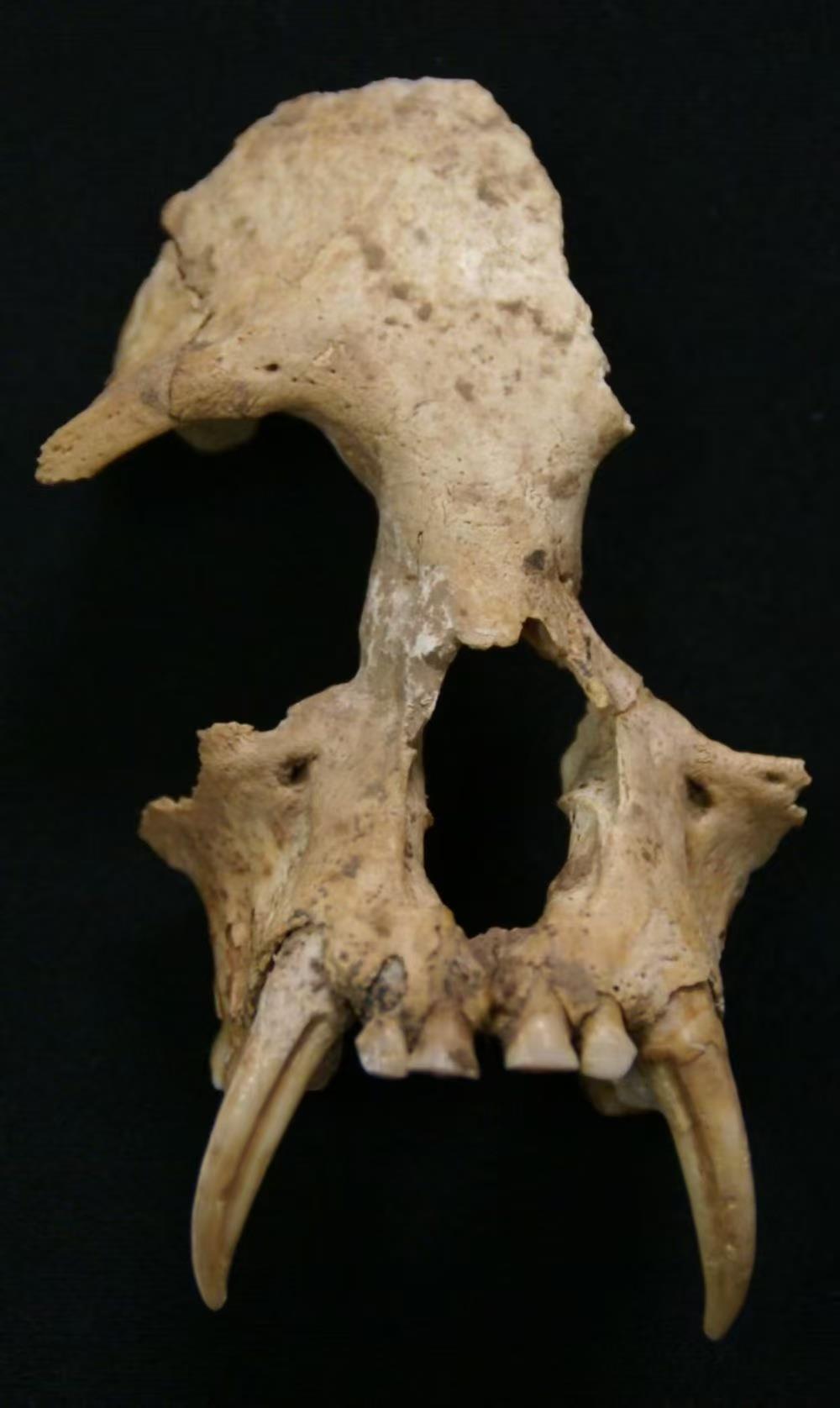
Core Insights - An international team led by Chinese scientists has discovered a new species of gibbon, named "Imperial Gentleman Gibbon," through ancient DNA sequencing technology, published in the journal Cell [1][5]. Group 1: Discovery and Research Findings - The Imperial Gentleman Gibbon was found in the burial site of Empress Xia, the grandmother of Qin Shi Huang, during excavations in 2004, where gibbon remains were uncovered in a burial pit [1][6]. - Initial morphological studies in 2018 suggested it was a new genus and species, but further DNA analysis in 2025 confirmed it as a new species within the Hoolock genus, closely related to the Hainan gibbon [5][8]. - The burial site also contained remains of other animals such as leopard cats, lynxes, Asian black bears, and red-crowned cranes, along with bronze chains and feeding tools, indicating a diverse collection of animals [6][8]. Group 2: Cultural and Historical Context - The findings suggest that Empress Xia had a fondness for rare animals, which were likely kept in royal gardens and buried with her, reflecting ancient beliefs about life and death [8]. - The research also reinforced the classification of the "Tianxing Gibbon" as an independent species and identified the gene "SHH" that regulates the length of gibbons' arms [8].