环境库兹涅茨曲线

Search documents
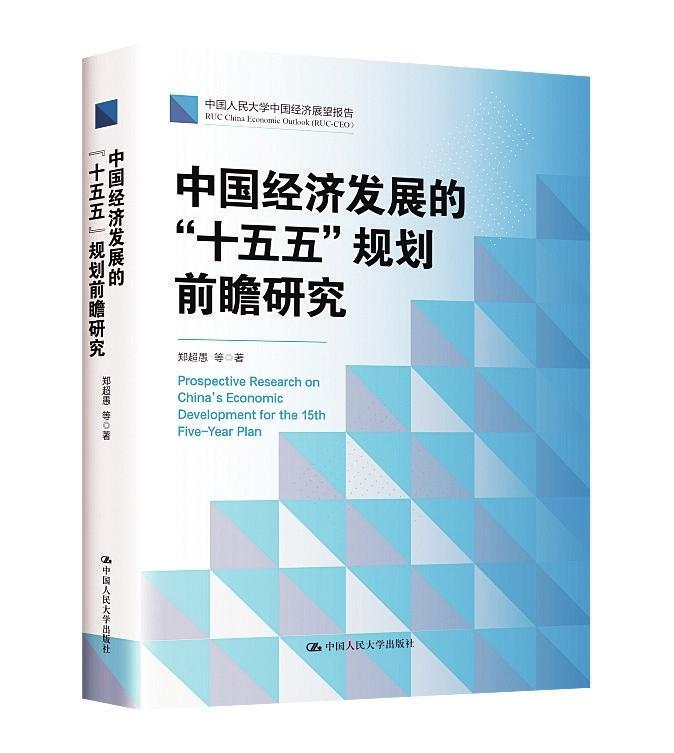
进一步坚定和明确“十五五”规划前瞻研究定位
Xin Lang Cai Jing· 2026-01-04 01:28
Group 1 - The article emphasizes the historical transformation from an agricultural economy to an industrial economy, marking a significant change in human society and defining modernity in contrast to traditional society [3] - It highlights that economic modernization is a conscious choice for the Chinese nation and a solemn political commitment of the Communist Party of China, aiming to create a miracle of rapid growth and sustainable development [3][4] - The concept of "Chinese-style modernization" is presented as a sustainable development process that is people-oriented, resource-saving, environmentally friendly, and responsible for the future [4] Group 2 - The article discusses the dual interaction between population, resources, and environmental variables as both input factors and constraints on economic growth, which are central themes in economic growth theory and development economics [4][6] - It critiques Malthusian pessimism regarding population's negative impact on economic growth and contrasts it with the optimistic view of population as a positive force, suggesting that the socialist market economy and flexible macroeconomic policies are more decisive for China's economic development [5] - The article warns against growth limit theories and emphasizes that resource dividends can surpass resource curses, advocating for the sustainable development of natural resources while considering future generations' rights [6] Group 3 - The complexity and variability of factors determining economic growth are acknowledged, with a focus on the new characteristics of the modern economic system, such as informatization, networking, and globalization [7] - It stresses the importance of knowledge innovation and ecological harmony in the new economic paradigm, while cautioning against both excessive imitation and regressive learning in modernization efforts [7] - The article suggests that traditional positive factors can be creatively transformed into modern society, indicating that returning to traditional solutions is not a viable path for addressing modern issues [7]