
现代财政制度

Search documents
“十五五”规划纲要部署18项财税改革任务
第一财经· 2026-03-14 01:26
Core Viewpoint - The "14th Five-Year Plan" outlines clear fiscal reform tasks, emphasizing the need to deepen the fiscal and tax system reforms, enhance fiscal sustainability, and improve fiscal management [3]. Group 1: Budget System Improvement - The plan includes five major tasks to strengthen the budget system, focusing on macro guidance for budget preparation and fiscal policy, ensuring financial support for major national strategies and basic livelihood [4]. - It emphasizes the need for better coordination of fiscal resources and budgets, increasing the proportion of state capital income in the budget management [4]. - The structure of fiscal expenditure will be optimized to increase the share of public service spending [5]. - Zero-based budgeting reforms will be deepened, with a focus on performance management and execution supervision [6]. - A long-term mechanism for government debt management aligned with high-quality development will be established [7]. Group 2: Tax System Improvement - The plan outlines ten tasks for optimizing the tax system, aiming to create a tax structure conducive to high-quality development and social equity [8]. - There will be an increase in the proportion of direct taxes, with improvements to the personal income tax system [9]. - Policies for VAT refunds and deductions will be refined, and the sharing ratio of shared taxes will be optimized [10]. - A tax system suitable for new business formats will be researched [11]. - The local tax system will be improved, with a focus on increasing local financial autonomy [12]. - The principle of tax legality will be fully implemented, and tax incentives will be standardized [13]. - Efforts will be made to enhance tax regulation and precision, particularly for individual income taxes [14]. - The role of special additional deductions in personal income tax will be strengthened [15]. - A capital gains tax adjustment mechanism will be explored [16]. - A green tax system will be optimized, including pilot projects for environmental protection taxes [17]. Group 3: Fiscal System Improvement - The plan mentions three key tasks for improving the fiscal system, including strengthening central authority and increasing central fiscal expenditure [18]. - The fiscal transfer payment system will be refined, optimizing its structure [19]. - The function of transfer payments will be enhanced to better address regional financial disparities [20]. Group 4: Other Relevant Fiscal Work - The plan also highlights the need for increased fiscal investment in basic research and improved tax incentive policies [21]. - It specifies that the government work report for 2026 will prioritize fiscal resource coordination and budget integration, as well as enhancing local tax systems [22].


让财政资金“用在刀刃上”,山东审计机关将在这些方面精准发力
Qi Lu Wan Bao· 2026-02-10 09:05
Core Viewpoint - The Shandong Provincial Audit Office aims to enhance the efficiency of fiscal resources and implement more proactive fiscal policies through focused auditing efforts in 2026 [3]. Group 1: Fiscal Audit Focus - The Shandong audit authorities will concentrate on improving the effectiveness of transfer payment funds, optimizing expenditure structures, and enhancing the consistency of macro policy orientations [3]. - The audit will emphasize key areas such as expanding domestic demand, optimizing structures, stabilizing enterprises, and ensuring market stability, with a focus on the implementation of government bond policies [3]. Group 2: Performance and Efficiency - The audit will integrate performance concepts throughout the auditing process, focusing on comprehensive budget management, allocation of fiscal funds, and the consolidation of provincial transfer payment funds [4]. - The authorities will scrutinize whether budget arrangements are effectively concentrated on significant projects and whether fund usage meets policy objectives, addressing issues of fund idleness and inefficiency [4]. Group 3: Modern Fiscal System - The Shandong audit office will emphasize the supervision of fiscal management reforms, particularly zero-based budgeting and the establishment of expenditure standards [4]. - The aim is to identify systemic obstacles and weaknesses in reforms, providing targeted audit recommendations to promote a clearer and more efficient fiscal management system [4].
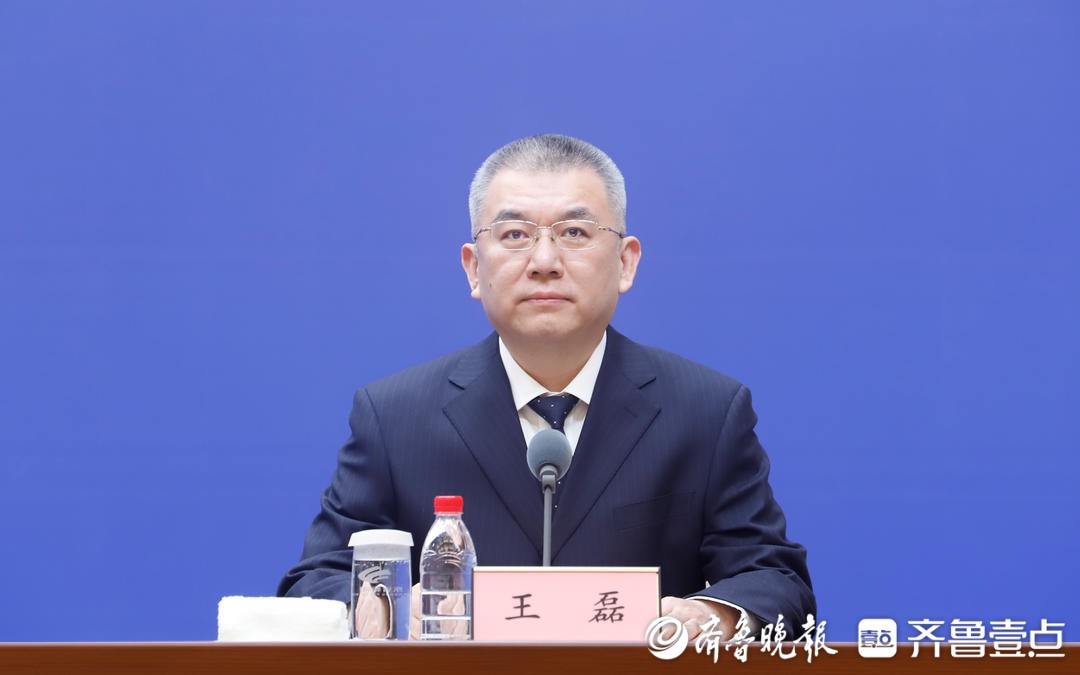
构建更加可持续的现代财政制度 中国财政政策论坛聚焦“十五五”时期财政可持续发展问题
Xin Hua Cai Jing· 2025-11-18 07:48
Core Insights - The China Fiscal Policy Forum focused on the direction of fiscal policy during the "14th Five-Year Plan" period, tax system optimization, and expenditure structure adjustments to contribute to a more sustainable and efficient modern fiscal system [1][2][3][4][5]. Group 1: Fiscal Policy Direction - The forum discussed the six core reasons for the decline in fiscal revenue share, including large-scale tax cuts, challenges in tax collection from the digital economy, and the impact of negative PPI on production tax revenue [1]. - Recommendations included optimizing the tax structure, enhancing digital and refined tax collection management, and adjusting the VAT sharing ratio and consumption tax collection [1][2]. Group 2: Tax System Reform - The strategic positioning of tax reform emphasizes the sustainability of fiscal policy as a foundation for national governance, requiring coordinated policies across industries, trade, finance, and fiscal management [2]. - Key tasks include improving local tax and direct tax systems, standardizing tax incentives, and ensuring a reasonable macro tax burden to support high-quality economic development [2][3]. Group 3: Sustainable Development - Emphasis on maintaining a reasonable macro tax burden and establishing evaluation mechanisms for tax incentives to ensure timely exits from ineffective policies [3]. - The need to expand new tax sources, particularly in emerging areas like the digital economy and cross-border income, while enhancing local financial autonomy and optimizing transfer payment systems [3]. Group 4: Real Estate Market and Fiscal Policy - The analysis of fiscal policy in the context of real estate market transformation suggests a layered approach, focusing on short-term measures to stabilize household balance sheets and long-term structural reforms [4]. - The proposed fiscal policy interventions aim to accurately address the structural characteristics of the real estate market during its transformation [4]. Group 5: Income Redistribution Policies - The evolution of income redistribution policies shows a rapid growth in social security spending, with an average annual growth rate of 16.7% from 2000 to 2023, indicating an improving redistributive effect [5]. - Recommendations for the "14th Five-Year Plan" include optimizing expenditure structures to enhance support for low-income groups, particularly in rural areas, to strengthen the redistributive role of fiscal policies [5].
财政部:积极培育新兴产业和未来产业 持续推动制造业转型升级
智通财经网· 2025-11-07 10:56
Core Viewpoint - The report emphasizes the acceleration of new growth momentum in China's economy through enhanced fiscal policies, support for innovation, and investment in key industries, while ensuring the stability of employment and market expectations [1][3]. Group 1: Fiscal Policy and Economic Growth - The fiscal policy is increasingly proactive, focusing on stabilizing employment, businesses, and market expectations, while promoting economic recovery [3][4]. - A total of 300 billion yuan in special bonds is allocated to support the replacement of consumer goods, which is expected to stimulate significant retail sales [4][15]. - The central government plans to increase its technology funding to 398.12 billion yuan in 2025, a 10% increase from the previous year, focusing on core technology and strategic industries [5][21]. Group 2: Investment and Consumption - The government aims to enhance domestic demand by boosting consumption and effective investment, with a focus on key sectors and weak links [13][16]. - The issuance of special bonds has accelerated, with 5.55 billion yuan issued in the first half of the year, completing 42.7% of the annual target [16]. - The manufacturing sector is expected to see a 10.3% increase in industrial investment, driven by government support for technological upgrades [17]. Group 3: Employment and Social Welfare - The central government allocated 667.4 billion yuan for employment support, with 6.95 million new urban jobs created in the first half of the year [27][28]. - Education spending increased by 5.9% to 2.15 trillion yuan, with a focus on improving quality and access to education [29][30]. - Basic public health service funding reached 804.35 billion yuan, enhancing health management and disease prevention efforts [32][33]. Group 4: Risk Management and Financial Stability - The government is implementing measures to mitigate financial risks, including the management of local government debt and the promotion of real estate market stability [7][9]. - A comprehensive approach to fiscal management is being adopted, including reforms in tax systems and budget execution to ensure effective use of resources [7][12]. Group 5: Innovation and Technology - The report highlights the importance of integrating technological innovation with industrial development, with a focus on enhancing research capabilities and supporting key technology projects [20][21]. - Funding for basic research is set to increase by 12.1%, emphasizing the need for original innovation and support for research institutions [21][22]. Group 6: Environmental and Social Development - The government is committed to ecological protection and sustainable development, with significant funding allocated for pollution control and ecosystem restoration [38][39]. - Social welfare programs are being expanded, with increased support for vulnerable populations and efforts to improve living standards [34][35].