生产型泡沫

Search documents
AI 野火即将来临:疼痛无比,却极其健康
虎嗅APP· 2025-12-12 13:54
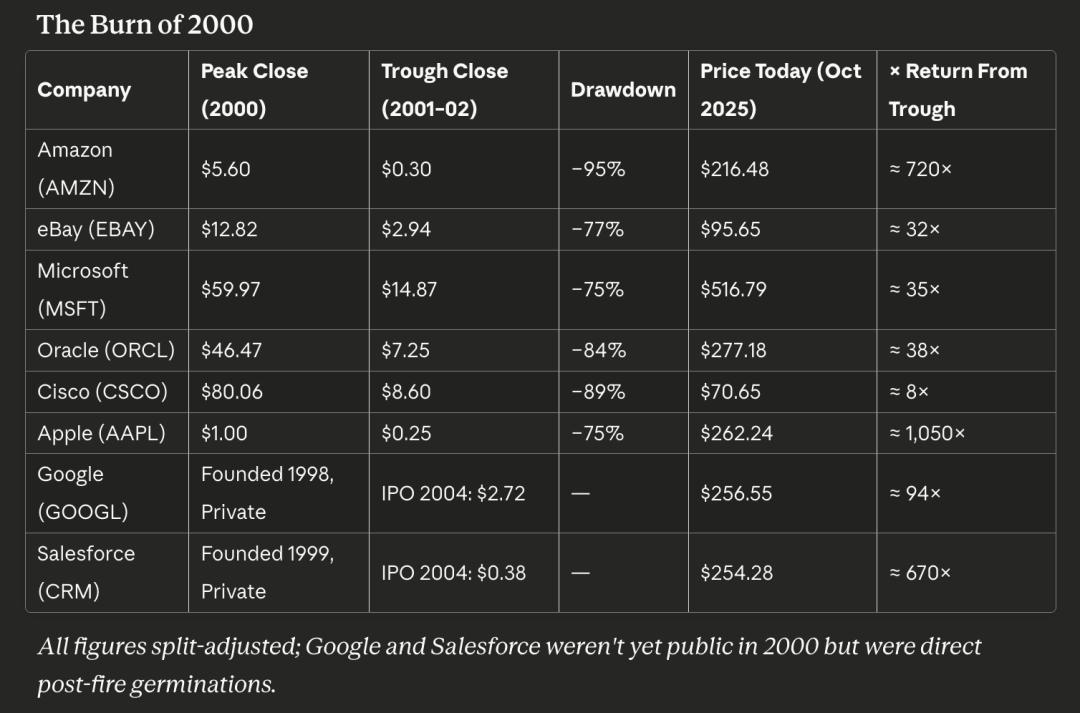
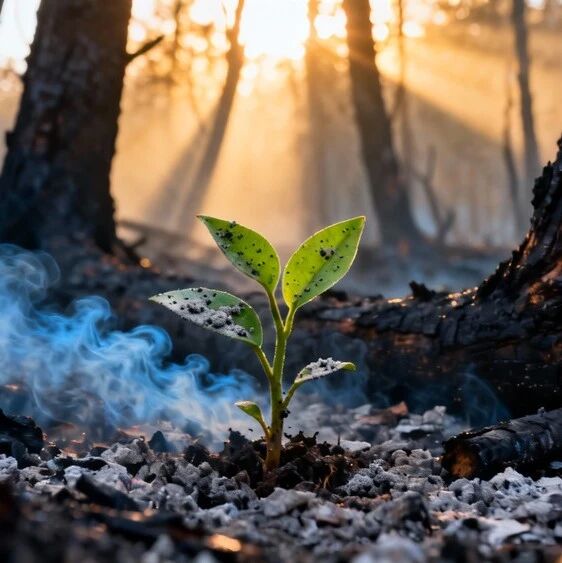
以下文章来源于经纬创投 ,作者经纬创投主页君 经纬创投 . 经纬创投的官方信息发布平台 本文来自微信公众号: 经纬创投 ,作者:经纬创投主页君,原文标题:《AI 野火即将来临:疼痛 无比,却极其健康 |【经纬低调出品】》 当下,对于AI大规模投资的"泡沫"讨论热火朝天,投资者应该如何理性地看待AI科技革命热潮? 但其实,AI领域的狂热从不是转瞬即破的泡沫,而是一场重塑生态的野火。这里面蕴藏着疼痛却暗 藏健康生长的力量。野火历来是行业周期的清醒剂,清理冗余、沉淀养分,为新物种腾挪空间, 2000年初的互联网泡沫和2008年的金融危机的浪潮早已印证,每一次燃烧后的修正,都能催生一批 核心强者。 如今硅谷资本充盈但赛道拥挤,人才稀缺且同质化竞争凸显,地表增量枯竭,野火的纠偏已然临近。 这场火势更集中于核心领域,算力既是燃料也是关键约束,过度建设的产能终将转向实际需求,而能 源根基的比拼更决定长远格局。 不同参与者如同生态里的各类植物,或易燃成养分,或耐火更坚韧,或借火获新生。唯有扎根核心能 力、筑牢商业闭环、适配真实需求,方能扛过周期考验。野火必然烧尽浮华,而真正的价值与机遇, 正藏在灰烬之后的新生之中,见证AI生 ...






AI 野火即将来临:疼痛无比,却极其健康
3 6 Ke· 2025-12-11 04:33
Core Viewpoint - The current AI investment landscape is not a bubble but a transformative wildfire that reshapes the ecosystem, clearing out redundancies and creating space for new growth [1][2][6]. Group 1: AI Investment Landscape - The AI sector is experiencing a "wildfire" phase, which serves as a corrective mechanism for overgrowth and inefficiencies in the market [2][10]. - Silicon Valley is characterized by an abundance of capital but a scarcity of talent, leading to intense competition among startups for the same limited resources [8][9]. - The current environment is reminiscent of past tech bubbles, where overexpansion leads to a necessary correction that ultimately fosters stronger companies [4][27]. Group 2: Ecosystem Dynamics - Different participants in the AI ecosystem can be categorized based on their resilience to market corrections: some are easily burned away, while others can withstand or even thrive post-correction [11][12]. - Companies without proprietary data or distribution channels are at high risk of being eliminated during this correction phase [13][16]. - Established companies with strong balance sheets and customer relationships, such as Apple and Microsoft, are likely to emerge stronger from this correction [18][19][20]. Group 3: Future Opportunities - The aftermath of the current "wildfire" will reveal new opportunities for companies that can adapt and innovate, particularly those that can pivot and leverage existing intellectual property [21][22]. - New entrants, or "fire followers," may emerge in the wake of the correction, capitalizing on the lessons learned from previous failures [22][24]. - The AI market is expected to evolve, with a shift from training to inference capabilities, where companies that can efficiently deliver AI solutions at scale will capture significant value [39][40]. Group 4: Resource Allocation and Infrastructure - The competition for AI resources is not just about GPU availability but also about energy infrastructure, which is critical for sustaining AI operations [46][48]. - Companies that invest in energy infrastructure today will have a competitive advantage in the future, as the demand for AI capabilities grows [49]. - The current AI landscape is marked by a "fear of missing out" on capacity, leading to over-investment in infrastructure that may not be sustainable [36][37]. Group 5: Evaluating Resilience - Companies must demonstrate their ability to sustain operations without external capital, focusing on metrics such as revenue growth relative to compute costs [52][54]. - Different types of companies face unique challenges in this environment, and their ability to adapt will determine their survival [50][51]. - The overarching question for companies is whether they can maintain a sustainable business model in a resource-constrained environment [55][56].