生命信息与生物医药

Search documents
高标准谋篇“十五五”,擘画南沙新蓝图
Ren Min Wang· 2025-10-20 03:52
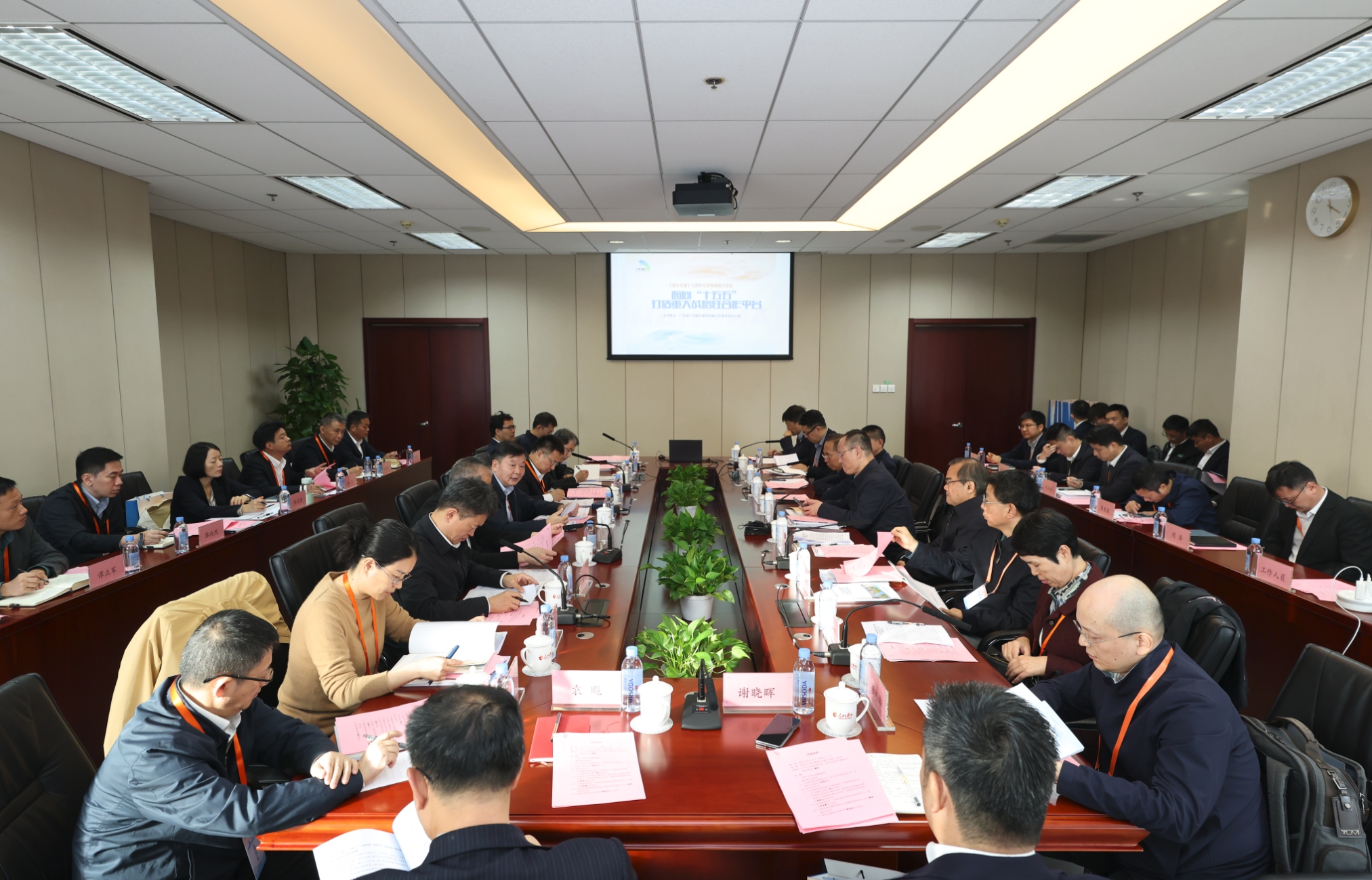
Core Insights - The "Nansha Plan" has successfully completed its first phase, with a focus on enhancing cooperation between Guangdong, Hong Kong, and Macau, and aims to establish a significant strategic platform by 2025 and 2035 [3][4] - The Nansha region is increasingly recognized for its role in the Greater Bay Area, with a notable rise in the contribution of strategic emerging industries and advanced manufacturing to GDP [4][5] - Experts at a recent seminar emphasized the need for Nansha to accelerate technological innovation, enhance talent policies, and strengthen its industrial base to align with national development strategies [6][7][8] Summary by Sections Implementation of the Nansha Plan - The Nansha Plan was officially launched in June 2022, with clear development goals set for 2025 and 2035 [3] - The first phase of the plan has seen significant improvements in the business environment and regional vitality, with strategic emerging industries' value added to GDP rising to 37.8% and advanced manufacturing's contribution to regulated industrial output reaching 75.9% [4] Future Development Strategies - Nansha aims to become a model area for Chinese-style modernization, focusing on a "five-port linkage" strategy to enhance its role in the Greater Bay Area [5] - Experts suggest that Nansha should prioritize building a modern industrial system characterized by high-end, intelligent, and specialized industries, while also enhancing transportation connectivity with Guangzhou [6][7] Recommendations from Experts - Suggestions include creating a highland for scientific innovation, implementing open talent policies, and fostering collaboration with Hong Kong and Macau in key technology sectors [6][8] - Emphasis on digital transformation and the establishment of a comprehensive institutional innovation system to support Nansha's growth as a core engine for Guangzhou's future [7][9] - Recommendations also highlight the importance of integrating financial support mechanisms with industry needs and leveraging the region's strengths in ecological and green technologies [9]