生态体系重构

Search documents
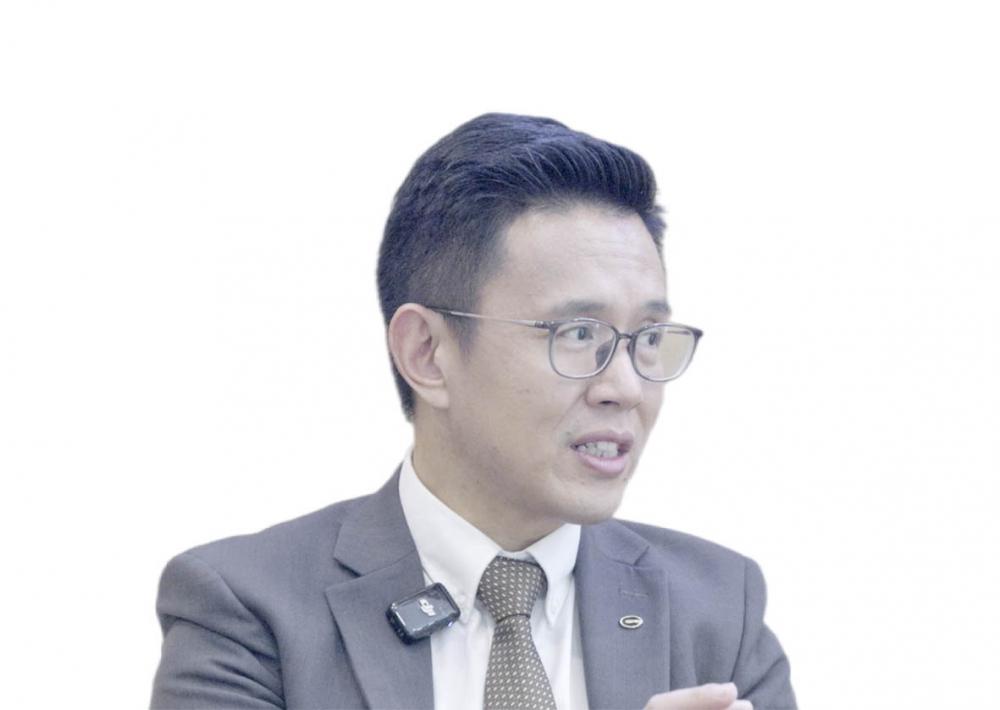
21专访丨广汽泰国总经理王浩勇:新能源车出海是生态体系的重构
Xin Lang Cai Jing· 2025-12-23 23:14
Core Insights - GAC has officially launched its strategy in Thailand, marking its entry into the market with the first model arriving in September 2023, despite facing competition from established players like SAIC, Great Wall, BYD, and Neta [1] - The company aims to build a comprehensive ecosystem in Thailand, including manufacturing, energy supply, after-sales service, and financial platforms, rather than merely selling cars [1][4] - GAC's sales in Thailand are projected to grow significantly, from approximately 1,000 units in 2023 to around 15,000 units in 2024, positioning it as the third-largest player in the Thai electric vehicle market [1][6] Market Potential - GAC sees potential in the Thai market, which is transitioning towards electric vehicles (EVs) with government support aiming for a 30% market share of EVs by 2030 [3] - The company is leveraging Thailand's status as a hub for entering the ASEAN market, focusing on establishing a solid market model before expanding to other countries [4] Local Ecosystem Development - GAC is not just selling vehicles but is also introducing a complete ecosystem that includes energy systems, battery services, and local assembly operations [4][6] - The company has established a local factory, with plans for over 95% of the vehicles sold in Thailand to be produced locally starting next year [6] Consumer Preferences - Thai consumers are increasingly accepting electric vehicles, with over 60% market penetration in the A0 segment previously dominated by small fuel vehicles [7] - The company is also promoting home charging solutions, which are more feasible in Thailand compared to China, enhancing consumer willingness to adopt EVs [7] Challenges and Strategies - GAC acknowledges the challenges in developing a robust charging infrastructure in Thailand and is focusing on collaborative ecosystem strategies, including charging and battery swapping [8] - The company is also introducing plug-in hybrid electric vehicles (PHEVs) and range-extended electric vehicles (REEVs) to capture a larger market share [8] Competitive Landscape - GAC recognizes the need to integrate into local culture and support local supply chains, while also bringing in core resources from China [9] - The company is collaborating with local universities to cultivate talent in the relatively weak field of EV technology in Thailand [9] Production and Export Strategy - GAC's production strategy in Thailand includes both domestic sales and exports, benefiting from Thailand's neutral trade policies and established tariff agreements [12] - The company is prepared to meet production compensation requirements and believes it can navigate potential future pressures effectively [11] Value Proposition - GAC emphasizes the importance of a "value war" over a price war, focusing on building brand recognition and internal efficiencies to justify price increases [13]