生态经济和绿色转型

Search documents
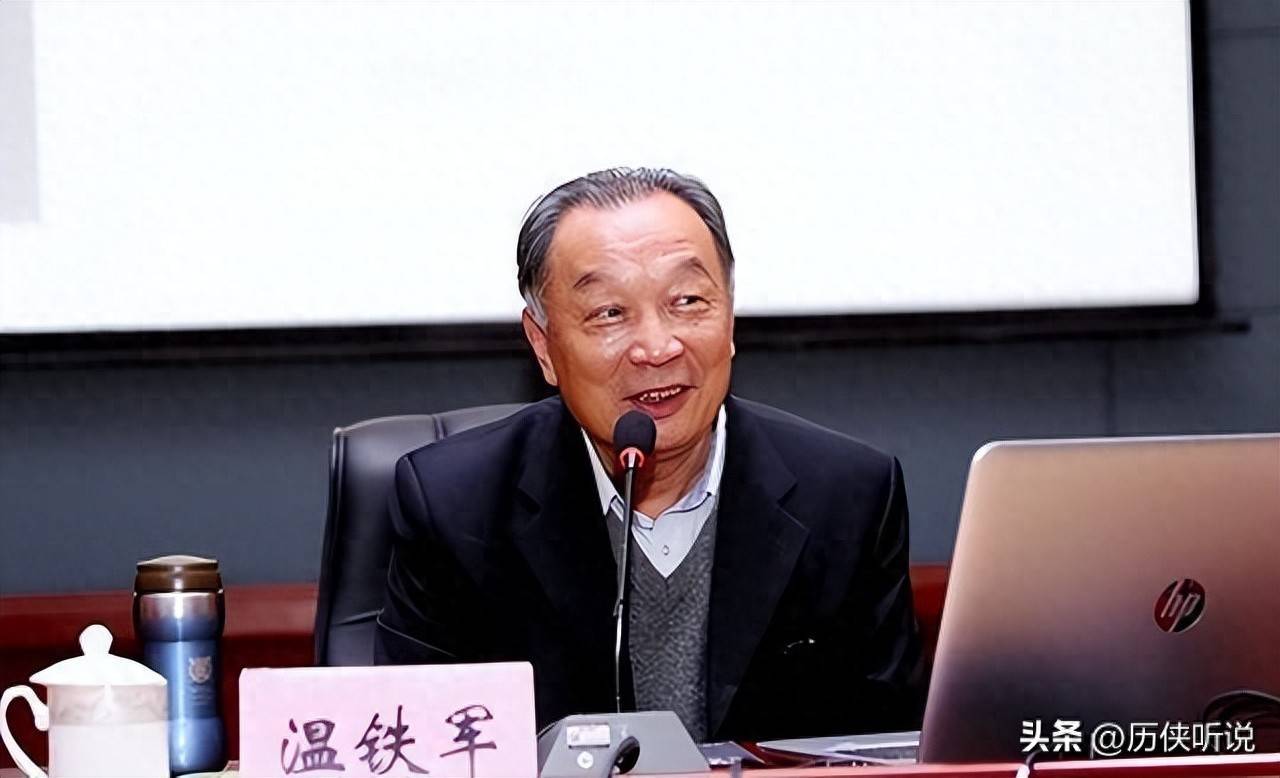
温铁军给出分析:中国农民三次力挽狂澜,下次再遇危机还得靠他们
Sou Hu Cai Jing· 2025-11-22 12:40
Core Viewpoint - The article emphasizes the crucial role of farmers in supporting China's economy through various crises, highlighting their contributions from historical reforms to current economic transformations [1][29]. Group 1: Historical Contributions of Farmers - After the establishment of New China in 1949, farmers became the "lifeline" of the economy amidst severe inflation and fiscal challenges [3]. - The successful implementation of land reform in 1949 allowed farmers to gain ownership of land, leading to increased agricultural production and market stability [7][11]. - Farmers absorbed excess currency through agricultural investments, helping to control inflation and stabilize the economy during the early years of the People's Republic [9][11]. Group 2: Economic Transformation in the 1970s - In the 1970s, as China opened up to foreign investment, farmers played a key role in the economic transition by driving rural productivity through the household responsibility system [15][19]. - The rise of township enterprises allowed farmers to become not just laborers but also entrepreneurs, significantly boosting rural incomes and urban consumption [17][19]. Group 3: Current Economic Challenges and Reforms - In the 21st century, farmers are again positioned as vital to economic transformation, particularly in the context of ecological and green transitions [21][27]. - The "Three Transformations" reform proposed by Wen Tiejun aims to convert rural resources into tradable assets, enabling farmers to participate in capital markets and share in economic benefits [23][25]. - This reform is expected to unlock the potential of rural resources, positioning farmers as key players in China's future economic growth [27][29].