
家庭联产承包责任制

Search documents
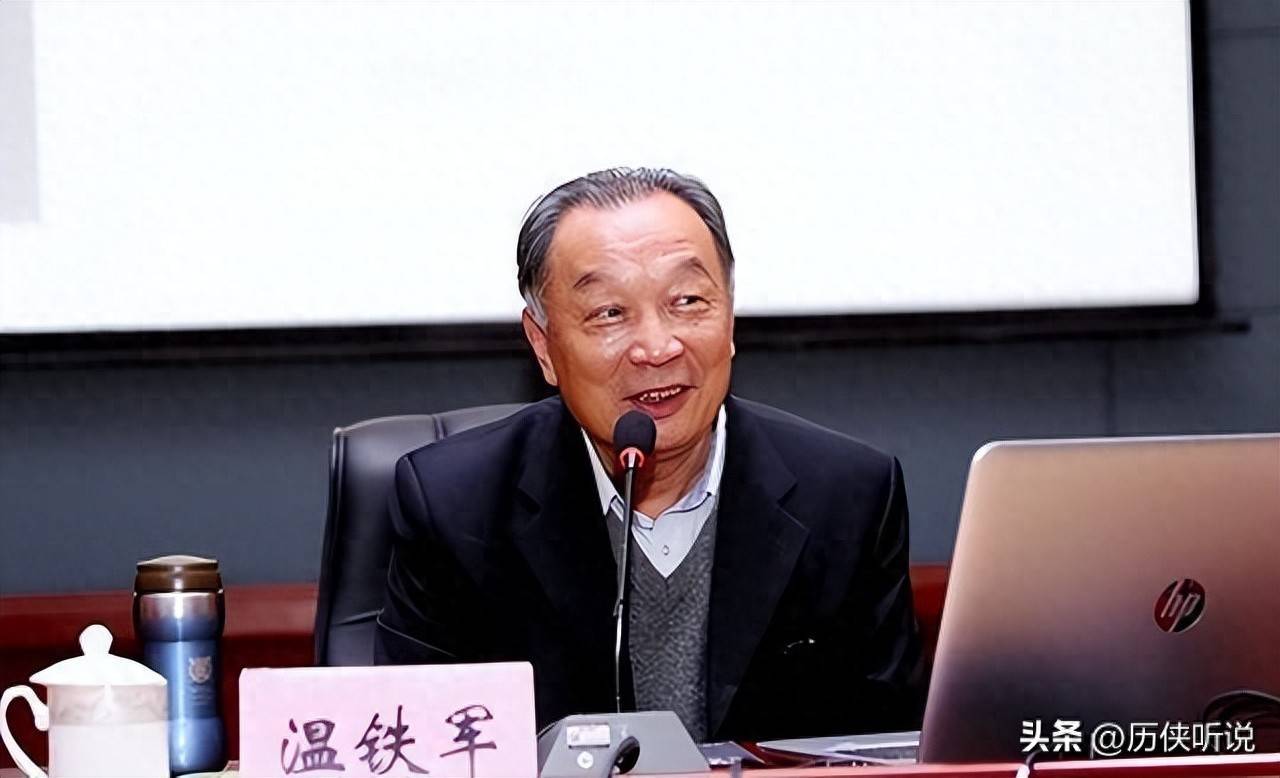
温铁军给出分析:中国农民三次力挽狂澜,下次再遇危机还得靠他们
Sou Hu Cai Jing· 2025-11-22 12:40
Core Viewpoint - The article emphasizes the crucial role of farmers in supporting China's economy through various crises, highlighting their contributions from historical reforms to current economic transformations [1][29]. Group 1: Historical Contributions of Farmers - After the establishment of New China in 1949, farmers became the "lifeline" of the economy amidst severe inflation and fiscal challenges [3]. - The successful implementation of land reform in 1949 allowed farmers to gain ownership of land, leading to increased agricultural production and market stability [7][11]. - Farmers absorbed excess currency through agricultural investments, helping to control inflation and stabilize the economy during the early years of the People's Republic [9][11]. Group 2: Economic Transformation in the 1970s - In the 1970s, as China opened up to foreign investment, farmers played a key role in the economic transition by driving rural productivity through the household responsibility system [15][19]. - The rise of township enterprises allowed farmers to become not just laborers but also entrepreneurs, significantly boosting rural incomes and urban consumption [17][19]. Group 3: Current Economic Challenges and Reforms - In the 21st century, farmers are again positioned as vital to economic transformation, particularly in the context of ecological and green transitions [21][27]. - The "Three Transformations" reform proposed by Wen Tiejun aims to convert rural resources into tradable assets, enabling farmers to participate in capital markets and share in economic benefits [23][25]. - This reform is expected to unlock the potential of rural resources, positioning farmers as key players in China's future economic growth [27][29].

如何理解农村集体土地所有制?
Hu Xiu· 2025-04-30 00:56
Group 1 - The core viewpoint of the article emphasizes the multifaceted nature of rural collective land ownership in China, highlighting its public, collective, and family attributes [1][2][3] Group 2 - The development function of rural collective land ownership is crucial for agricultural and industrial growth, with a focus on the fragmentation of land and the potential for large-scale operations due to labor migration [3][4] - The governance function of collective land ownership plays a significant role in land management and community governance, ensuring equitable land use and addressing disputes [4][5] - The security function of collective land ownership provides essential support for farmers' livelihoods, ensuring compensation during land requisition and preserving agricultural rights for future security [5][6] Group 3 - Balancing the multiple relationships within collective land ownership is essential, particularly the relationship between the state, collective, and individual rights [6][7] - The balance of rights and powers among land ownership, contracting, and operational rights is critical for effective land management and utilization [7][8] - Establishing a strong sense of boundaries among stakeholders is necessary for the effective practice of collective land ownership, promoting public interest over private gains [8]