
三变改革

Search documents
草原减负 牧民增收
Xin Lang Cai Jing· 2026-01-06 22:38
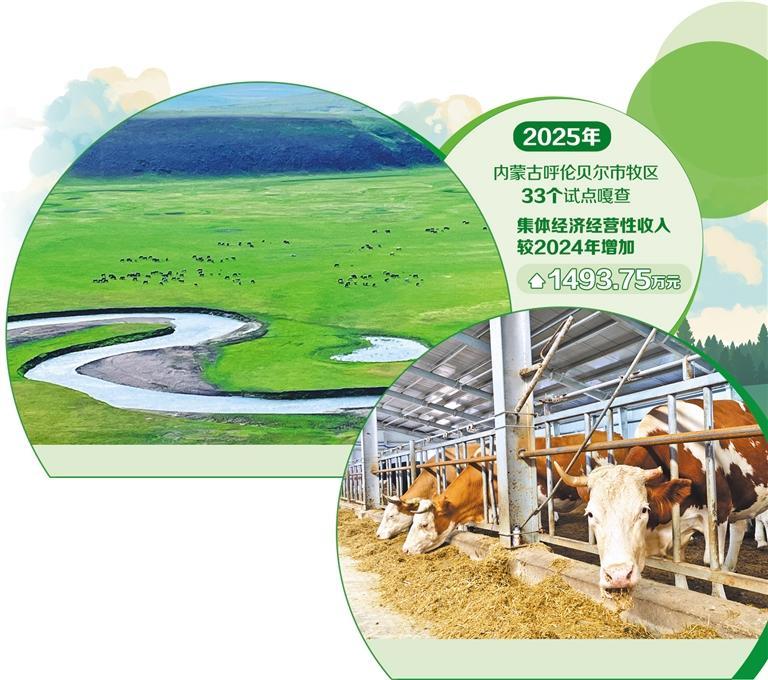
Core Insights - The article discusses the ecological challenges faced by the Hulunbuir grasslands in Inner Mongolia, particularly due to traditional grazing practices and historical overgrazing, leading to grassland degradation and loss of biodiversity [2] - Hulunbuir City is implementing a "1+N+M" work system to address overgrazing issues and promote the transformation and upgrading of traditional animal husbandry [2][9] Group 1: Innovative Feeding Methods - The key to solving overgrazing issues lies in ensuring a stable supply of forage. Hulunbuir City is focusing on improving forage supply to support livestock production [2] - Hulunbuir Mengyuan Agricultural and Animal Husbandry Group Co., Ltd. processes 250,000 tons of straw and 200,000 tons of total mixed rations annually, which are favored by local herders due to lower costs and higher digestibility compared to traditional feeding methods [3][4] - The cost of traditional forage has decreased from approximately 20 yuan per head per day to about 9 yuan, effectively addressing seasonal forage shortages [4] Group 2: Upgrading Infrastructure and Equipment - Many farms are upgrading their facilities and equipment related to total mixed rations, transitioning to more intensive and large-scale farming models [5] - The use of modern equipment and techniques has led to faster growth rates and increased meat yield in livestock, while also reducing costs and avoiding overgrazing [5] Group 3: Expanding Sales Channels - Initiatives such as the "I have a sheep on the grassland" subscription campaign have successfully secured over 1,300 orders, while direct sales points have been established in popular tourist areas [6] - The establishment of a livestock information big data traceability platform allows buyers to access comprehensive production and health records, enhancing market transparency [6] Group 4: Socialized Service System - The "three-in-one" organization model has been developed to assist herders in selling local agricultural products, reducing intermediaries and enhancing market access [7] - A comprehensive service network has been established, including 21 organizations and 160 grid members, to support local farmers and herders [7] Group 5: Resource Transformation and Economic Growth - The "three transformations" reform aims to convert resources into assets, with collective economic income projected to increase significantly from 160,000 yuan in 2021 to 1.53 million yuan in 2024 [8] - The city is focusing on ecological restoration and sustainable development, with a complete work framework established to address overgrazing and promote the livestock industry [9]

唤醒“沉睡资源” 激活乡村振兴新动能
Hai Nan Ri Bao· 2025-12-30 01:24
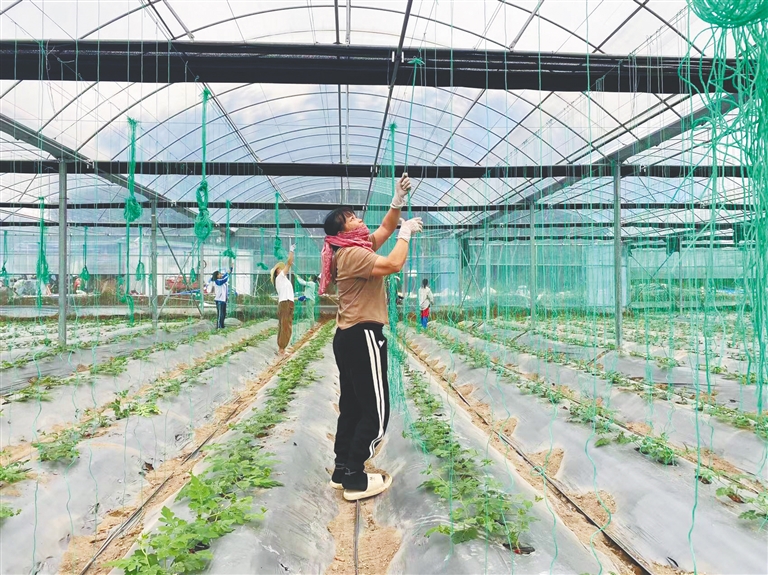
Core Insights - The article discusses the collaborative efforts of planning and institutional innovation in revitalizing idle rural land resources and enhancing industrial development in Hainan Province [1][3]. Group 1: Land Resource Utilization - Idle agricultural land in Qirong Village, Danzhou City, has been transformed into high-standard greenhouses for winter crops, showcasing a successful agricultural demonstration base [3]. - The old school site in Shuikou Village has been repurposed into a rural guesthouse with 34 unique rooms, providing a weekend getaway for tourists [3][5]. - The "Three Transformations" reform encourages farmers to consolidate idle and scattered land into collective economic organizations for unified planning and development [5]. Group 2: Economic Impact - Villagers in Shuikou Village reported increased income from new employment opportunities in the guesthouse, with monthly wages of 3,500 yuan and additional year-end bonuses [4]. - The introduction of enterprises into rural areas has created numerous job opportunities, helping to revitalize previously depopulated villages [5][6]. - The integration of various industries, such as agriculture, hospitality, and coffee production, has diversified local economies and improved living standards [6][7]. Group 3: Policy and Planning - Hainan Province has implemented a comprehensive land resource management strategy, ensuring that both new and existing land use supports rural industrial development [8][9]. - The provincial government is committed to enhancing the rural environment and optimizing land use through various projects, including the addition of 273.26 hectares of arable land and ecological restoration efforts [7][9]. - Future plans include learning from successful rural development models to improve implementation mechanisms and promote orderly rural revitalization [8].
温铁军给出分析:中国农民三次力挽狂澜,下次再遇危机还得靠他们
Sou Hu Cai Jing· 2025-11-22 12:40
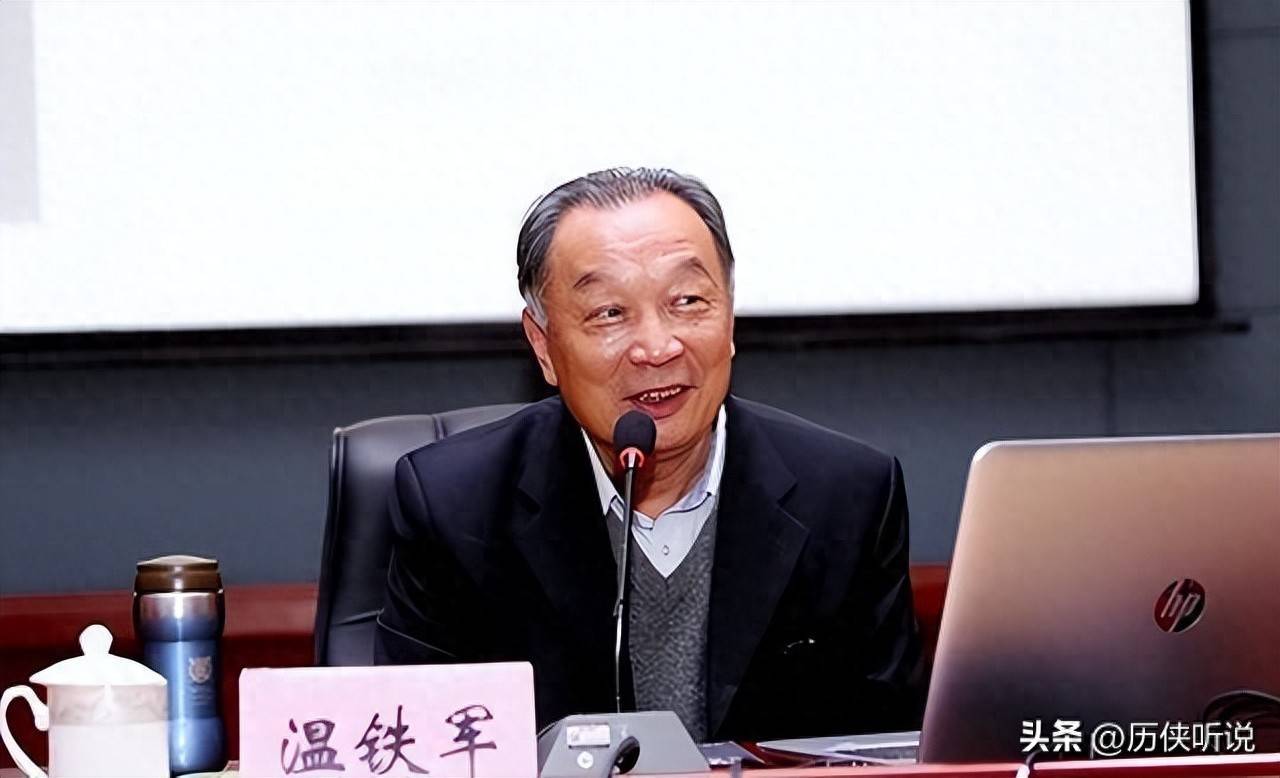
Core Viewpoint - The article emphasizes the crucial role of farmers in supporting China's economy through various crises, highlighting their contributions from historical reforms to current economic transformations [1][29]. Group 1: Historical Contributions of Farmers - After the establishment of New China in 1949, farmers became the "lifeline" of the economy amidst severe inflation and fiscal challenges [3]. - The successful implementation of land reform in 1949 allowed farmers to gain ownership of land, leading to increased agricultural production and market stability [7][11]. - Farmers absorbed excess currency through agricultural investments, helping to control inflation and stabilize the economy during the early years of the People's Republic [9][11]. Group 2: Economic Transformation in the 1970s - In the 1970s, as China opened up to foreign investment, farmers played a key role in the economic transition by driving rural productivity through the household responsibility system [15][19]. - The rise of township enterprises allowed farmers to become not just laborers but also entrepreneurs, significantly boosting rural incomes and urban consumption [17][19]. Group 3: Current Economic Challenges and Reforms - In the 21st century, farmers are again positioned as vital to economic transformation, particularly in the context of ecological and green transitions [21][27]. - The "Three Transformations" reform proposed by Wen Tiejun aims to convert rural resources into tradable assets, enabling farmers to participate in capital markets and share in economic benefits [23][25]. - This reform is expected to unlock the potential of rural resources, positioning farmers as key players in China's future economic growth [27][29].
好评中国|延安金秋果满枝 “小苹果”映出振兴“大文章”
Zhong Guo Xin Wen Wang· 2025-10-19 06:18
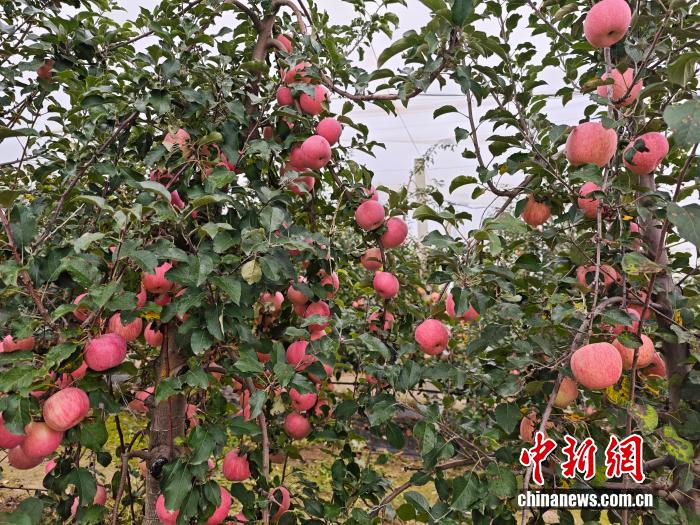
Core Insights - The article highlights the transformation of Nangou Village in Yan'an, which has evolved from a struggling community to a thriving rural revitalization model, primarily driven by the apple industry [2][6]. Economic Development - Nangou Village has seen its collective assets exceed 10 million, with per capita net income surpassing 20,000 yuan, showcasing significant economic growth [2]. - The village has developed 3,160 acres of modern apple orchards, utilizing advanced agricultural techniques such as dwarfing and precision irrigation [2]. Agricultural Innovation - The village's agricultural transformation is attributed to the "three changes" reform: turning resources into assets, capital into shares, and farmers into shareholders, which has created a robust agricultural foundation [2]. - The apple industry in Yan'an is supported by favorable natural conditions, with a planting area of 3.335 million acres, accounting for about one-ninth of the national total, and a fresh fruit output value reaching 27.1 billion yuan [6]. Industry Diversification - Nangou Village is expanding beyond basic apple cultivation by integrating new business models such as live-streaming sales and experiential tourism, which enhances revenue and attracts visitors [4]. - The village is transitioning from merely selling products to offering immersive experiences, thereby increasing its economic resilience and sustainability [4]. Cultural and Historical Context - The revitalization efforts in Nangou Village are deeply rooted in the revolutionary spirit of Yan'an, with local leaders actively engaging in community development and support initiatives [5]. - The combination of rich cultural heritage and modern agricultural practices is fostering a strong community identity and purpose [5]. Broader Implications - The success of Nangou Village serves as a microcosm of the broader rural revitalization efforts across China, reflecting the government's strategic focus on rural development and poverty alleviation [6][7]. - The narrative emphasizes the importance of innovation, cultural heritage, and community engagement in achieving sustainable rural development [7].
甘肃宕昌:“干部大讲堂”铸魂增智转作风,赋能发展新征程
Zhong Guo Fa Zhan Wang· 2025-06-12 09:06
Core Viewpoint - The "Cadre Lecture Hall" initiative in Gansu's Dangchang County is significantly enhancing the capabilities and work ethic of local officials, driving high-quality development through knowledge sharing and practical engagement [1][2][3]. Group 1: Cadre Training and Development - The "Cadre Lecture Hall" combines education with practical work, focusing on implementing the spirit of the Central Eight Regulations and transforming learning outcomes into actionable efforts [2][3]. - Over 120 grassroots visits and discussions have identified over 1,000 issues, establishing a closed-loop mechanism for problem-solving that has shown initial success [3][11]. - The initiative has led to the organization of over 230 sessions, with more than 9,000 participants, contributing to the development of a high-quality cadre team [13]. Group 2: Community Engagement and Service - Cadres are encouraged to move beyond their offices to actively engage with the community, shifting from a passive to an active service model to address urgent public needs [2][3]. - The implementation of the "1234" work method has facilitated the collection and resolution of 3,575 public requests, achieving a completion rate of over 95% [12]. Group 3: Economic Development and Industry - Dangchang County is promoting diverse industries, including agriculture and tourism, to enhance local economic growth and community welfare [4][8]. - The county has invested 1.81 billion yuan in standardizing and improving 184 rural hospitality businesses, significantly boosting tourism revenue [8]. - The establishment of the "Dangchang Medicinal Herb Cloud Platform" has reduced transaction costs for farmers by over 12 million yuan, supporting the stability of the local medicinal herb industry [7]. Group 4: Infrastructure and Environmental Improvement - Significant investments have been made in rural infrastructure, including the construction of over 43,800 sanitary toilets and 220 kilometers of rural roads, improving living conditions [13]. - The county has implemented comprehensive environmental sanitation measures, enhancing the overall rural landscape and promoting better living habits among residents [13].