生活型通胀

Search documents
10月开始,日子可能更紧!3个信号已经亮了,别再花钱眼不眨!
Sou Hu Cai Jing· 2025-10-03 02:52
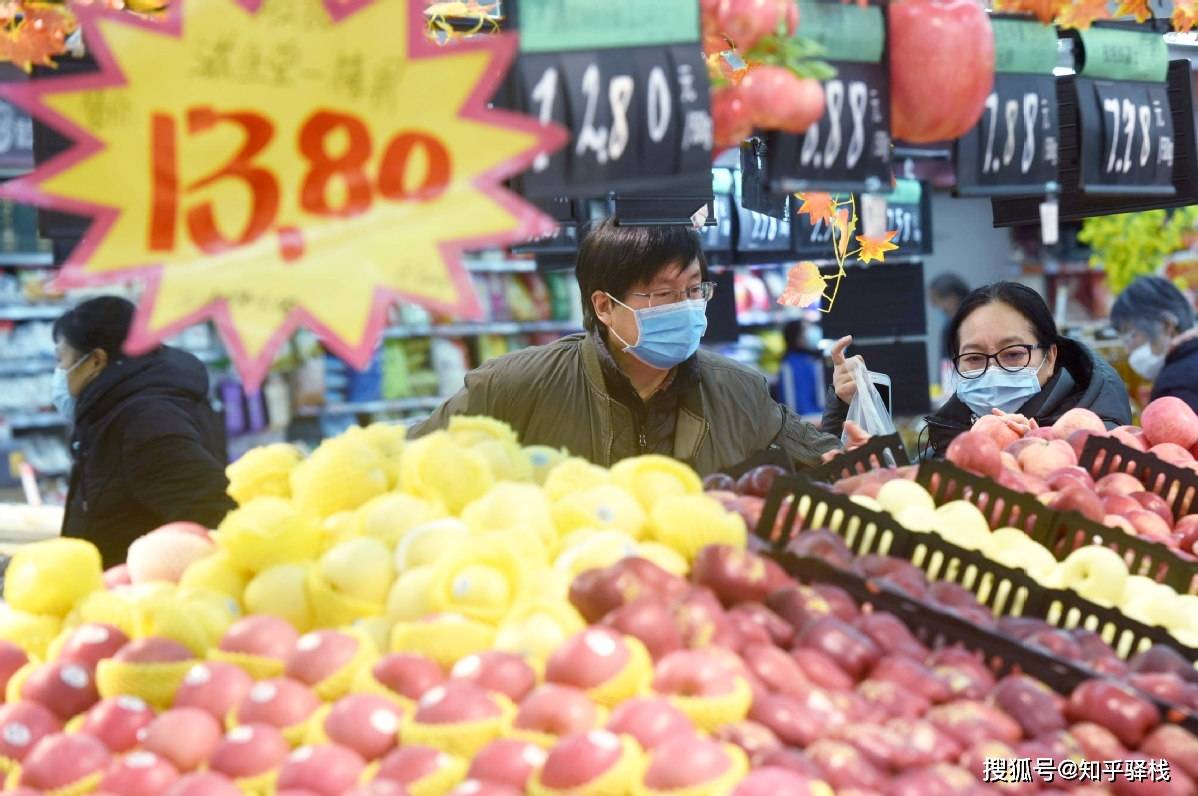
Core Viewpoint - The article highlights the rising prices of essential goods and the economic pressures facing consumers in China, indicating a shift towards "living inflation" where basic necessities are becoming more expensive while discretionary items are seeing price reductions [1][3]. Group 1: Price Increases in Essential Goods - Prices for staple foods such as rice and cooking oil have significantly increased, with ordinary Northeast rice rising from 2.8 yuan to 3.2 yuan per jin, and 5L soybean oil increasing by 8 yuan over three months [3][4]. - The increase in food prices is attributed to extreme weather affecting production, unstable global supply chains, and high transportation and storage costs, which ultimately burden consumers [3][4]. - The article notes that a typical family now spends approximately 240 yuan more annually on food due to these price hikes [3]. Group 2: Energy Price Impact - Domestic fuel prices have risen, with 92 octane gasoline nearing 8 yuan per liter, leading to increased transportation costs for logistics companies, which in turn raises prices for vegetables and other goods in supermarkets [4]. - Natural gas prices are also on the rise, with the cost of liquefied gas increasing from 120 yuan to 135 yuan for a 15kg can, potentially raising winter heating costs [4]. Group 3: Hidden Price Increases in Daily Necessities - Many consumer goods are experiencing "invisible price hikes," where companies reduce product sizes while maintaining prices, such as laundry detergent bottles shrinking from 2kg to 1.8kg without a price drop [5]. - This trend of reducing quantities while keeping prices stable leads to increased costs for consumers over time, as everyday items become more expensive on a per-use basis [5]. Group 4: Income Pressure and Employment Trends - Companies are facing pressure to cut costs, leading to reduced bonuses and salaries across various sectors, including internet, manufacturing, and real estate, with a reported 3.2% decrease in average recruitment salaries [7][8]. - The article emphasizes that stagnant wages combined with rising prices effectively reduce consumers' purchasing power, creating a sense of financial strain [7]. Group 5: Investment and Savings Challenges - Low-risk investment products are yielding diminishing returns, with many bank financial products dropping below 2.5% annualized returns, making it harder for consumers to grow their savings [10][11]. - The article warns of the risks associated with high-yield investments, as many individuals have faced losses in pursuit of better returns, highlighting the importance of cautious financial planning [12]. Group 6: Recommendations for Financial Management - The article suggests practical strategies for consumers to manage their finances better, such as stocking up on essential goods during promotions, delaying non-essential purchases, and diversifying investments to mitigate risks [14][15][16]. - It emphasizes the need for consumers to be prudent with their spending and to focus on maintaining liquidity and protecting their principal investments during challenging economic times [16][19].