生活成本上涨

Search documents
今年的钱怎么那么难攒,看完你就明白了
Sou Hu Cai Jing· 2025-11-27 08:10
Group 1 - The article highlights the pervasive feeling of financial strain among individuals, regardless of their income levels, due to various consumption traps and rising living costs [1][2] - It discusses the impact of impulsive spending driven by social media and promotional tactics, which can lead to significant unplanned expenses [1][2] - The article points out that while government subsidies exist, they often lead to hidden price increases in essential goods, negating any financial relief [1][2] Group 2 - The text emphasizes the challenge of unavoidable expenses, such as rising costs for social obligations and healthcare, which further strain personal finances [2] - It notes the difficulty of supplementing income through side jobs, especially with the rise of AI affecting freelance opportunities and the prevalence of scams in certification programs [2] - The article concludes that the key to saving money lies in being aware of spending traps and focusing on genuine needs rather than following trends [3]


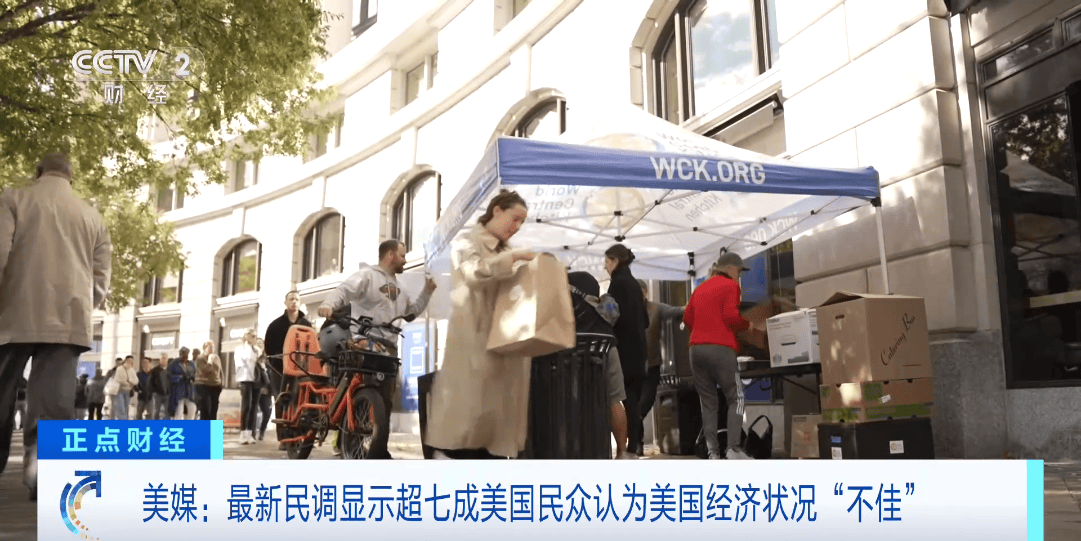
美媒:最新民调显示超七成美国民众认为美国经济状况“不佳”
Sou Hu Cai Jing· 2025-11-21 11:46
Core Insights - Over 76% of American respondents believe the economic situation is "poor," an increase from 67% in July [3] - Rising living costs are a significant concern, with 78% reporting increases in utility costs, 67% in healthcare costs, and 66% in housing costs [3] Group 1: Economic Sentiment - 76% of respondents view the U.S. economy negatively, marking a 9% increase since July [3] - A significant portion of the population attributes the worsening economic conditions to the policies of the Trump administration, with 46% expressing this view [3] Group 2: Rising Living Costs - Food prices in the U.S. have risen over 18% compared to January 2022 [5] - The average annual childcare cost for each child is projected to exceed $13,000 in 2024, reflecting a 30% increase since 2020 [5] - Healthcare premiums for middle and low-income families are expected to rise from an average of $888 in 2025 to $1,904 in 2026 due to political disagreements over healthcare spending [5] - Average monthly expenditures on utilities have increased by 12% compared to the previous year [5]