生物制品分段生产试点

Search documents
八位全勤生,八年进博会:跨国药械企业经历的巨变
Di Yi Cai Jing· 2025-11-07 13:05
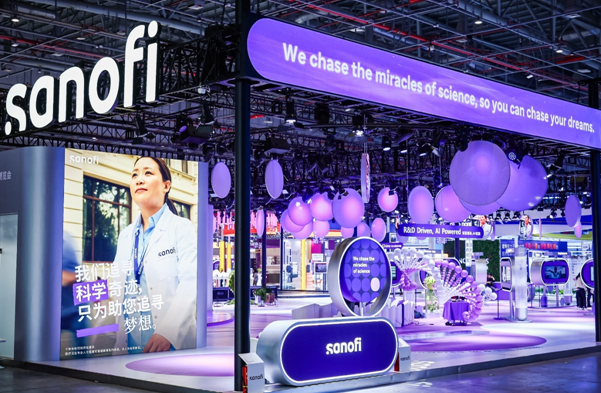
Group 1: Core Insights - The approval speed of new drugs in China has significantly increased, with multinational companies benefiting from reforms in the drug review and approval system [1][3] - The integration of policies such as centralized procurement and national negotiations has reshaped the market landscape for multinational companies operating in China [1][14] - Multinational pharmaceutical companies are increasingly localizing their production and investment in China, responding to the growing demand for innovative biopharmaceuticals [7][9] Group 2: Recent Developments - Sanofi's innovative drug, Kybella, received approval from the National Medical Products Administration in just six months, highlighting the expedited review process for urgently needed treatments [3][4] - Roche introduced over 40 products at the China International Import Expo, emphasizing its commitment to bringing innovative drugs to the Chinese market [3][7] - Novo Nordisk's Wegovy, the first GLP-1RA weekly formulation for long-term weight management, has shown promising clinical results, with about one-third of patients losing over 20% of their body weight [4][5] Group 3: Investment and Local Production - Sanofi has initiated a €1 billion investment project in Beijing to enhance local insulin production capabilities, reflecting its commitment to the Chinese market [7] - Roche announced a ¥2.04 billion investment to establish a biopharmaceutical production base in Shanghai, strengthening its supply chain and local production [7] - Bayer is expanding its local manufacturing and innovation efforts in China, with the opening of a new innovation center in Beijing [8] Group 4: Policy and Market Dynamics - The Chinese government has implemented policies to encourage foreign investment in the medical device sector, creating a favorable environment for multinational companies [9][10] - The introduction of segmented production trials for biopharmaceuticals aims to improve production efficiency and align with global practices [8][14] - The dynamic adjustment of the medical insurance catalog in China presents significant market opportunities for innovative drugs [14] Group 5: AI and Technological Integration - China is emerging as a global hub for AI innovation in healthcare, with a high acceptance rate among medical professionals and patients for AI applications [16][17] - Philips has positioned AI at the core of its strategy, recognizing its potential to reshape the future of healthcare [17] - Multinational medical device companies are actively collaborating with local innovators to accelerate the development and application of new technologies in China [17]