田园生活

Search documents
刻在味蕾深处的故土滋味
Xin Lang Cai Jing· 2026-01-22 23:17
Core Viewpoint - The articles celebrate the significance and versatility of green vegetables, particularly in the context of home cooking and cultural appreciation, highlighting their role in daily life and traditional meals [1][2][3][4][5]. Group 1: Culinary Versatility - Green vegetables can be prepared in various ways, including stir-frying, boiling, and pickling, making them suitable for a wide range of dishes [2][3]. - Specific dishes mentioned include "青菜烧豆腐" (green vegetable and tofu stew) and "青菜烀肉圆" (green vegetable with meatballs), showcasing their adaptability in both simple and elaborate meals [3][4]. Group 2: Cultural Significance - Green vegetables are appreciated by literary figures and artists, with references to their beauty and simplicity in works by Qi Baishi and Zheng Banqiao, indicating their cultural resonance [4][5]. - The connection between green vegetables and a simple, fulfilling life is emphasized, as seen in the writings of Su Dongpo and Xia Mi Zun, who find joy in humble meals [5]. Group 3: Personal and Familial Connections - The articles evoke nostalgia and personal memories associated with green vegetables, particularly in the context of family traditions and home cooking [1][5]. - The act of cooking and consuming green vegetables is portrayed as a comforting and enriching experience, linking individuals to their roots and heritage [1][4].
山居7年后,我亲手告别了“田园梦”
虎嗅APP· 2025-11-29 09:26
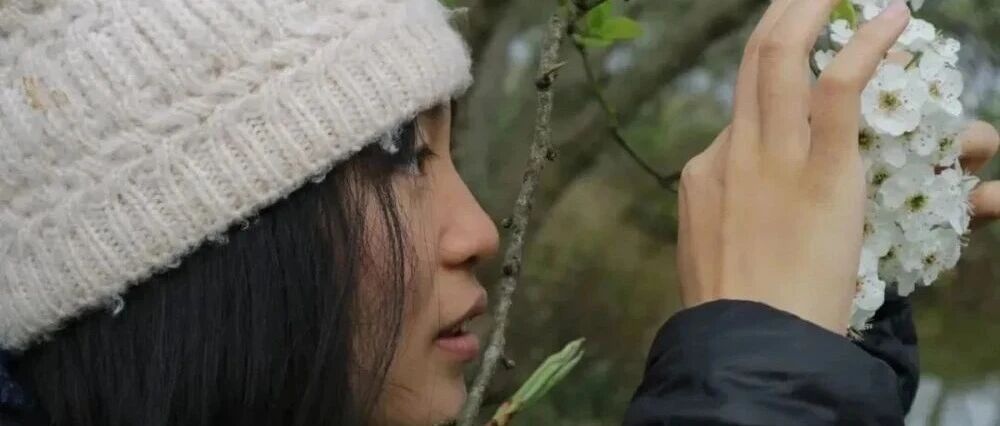
Core Viewpoint - The article discusses the journey of a young woman, Miaojie, who left city life to pursue a rural lifestyle, only to later return to the city, reflecting on the challenges and realizations of her experience in rural living [5][6][7]. Group 1: Rural Lifestyle Aspirations - The desire to escape urban life and return to farming has become a popular aspiration among young people, with over 12 million individuals expected to engage in rural entrepreneurship by 2025 according to recent data from the Central Financial Office [5]. - Miaojie's initial vision of rural life included living in a self-built home, growing organic vegetables, and connecting deeply with nature, which she achieved for seven years [5][6]. Group 2: Reality of Rural Living - The romanticized view of rural life is contrasted with the harsh realities of hard work, loneliness, and the challenges of living away from urban conveniences [5][27]. - Miaojie experienced significant personal growth, transforming from a city girl to a capable farmer, but also faced the difficulties of rural life, including physical labor and isolation [5][25]. Group 3: Agricultural Practices and Challenges - Miaojie and her husband adopted a sustainable farming approach, avoiding pesticides and focusing on diverse planting, but faced numerous challenges, such as crop failures and pest infestations [17][18][29]. - The couple's income from the farm varied significantly, ranging from 5,000 to 70,000 yuan annually, highlighting the financial instability of rural farming [37]. Group 4: Personal Transformation and Reflection - The experience of living on the farm led to a reevaluation of personal values and lifestyle choices, with Miaojie recognizing the importance of community and support systems that were lacking in rural life [43][46]. - After the birth of their daughter, Miaojie felt increasing pressure regarding financial stability and educational opportunities, leading to conflicts with her husband about their future [39][40]. Group 5: Return to Urban Life - Ultimately, Miaojie made the decision to leave the farm and return to the city, where she continued her work in English education and began writing about her experiences, culminating in her book "After the Rain" [6][43]. - The article concludes with Miaojie's reflections on the beauty and pain of her rural life, emphasizing the lessons learned about patience, resilience, and the complexities of human relationships [46].