甲型H3N2

Search documents
流感“K毒株”来势汹汹,疫苗还有用吗?
3 6 Ke· 2025-12-05 09:13
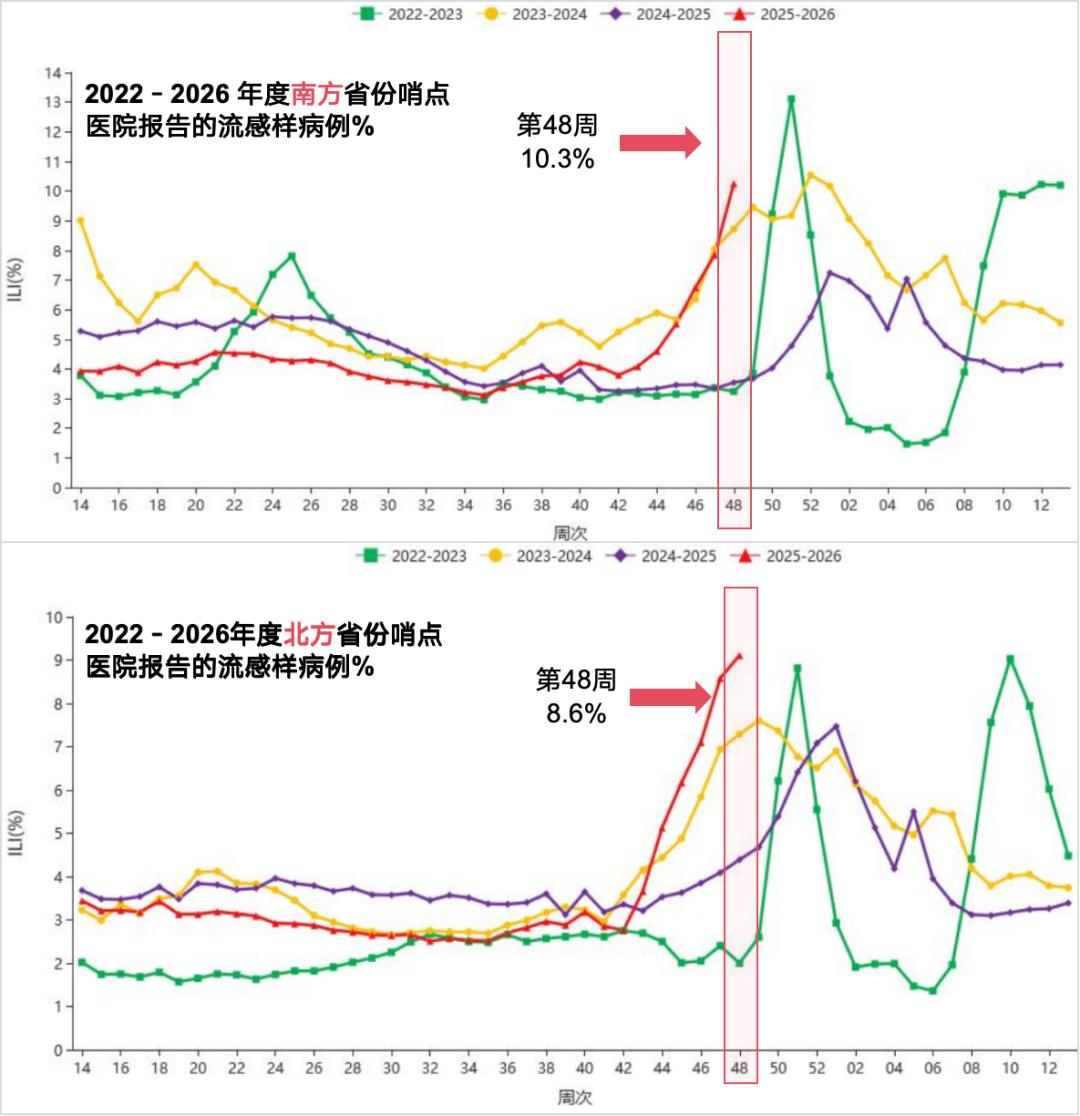
Core Insights - The flu season this year is notably more severe and earlier than in previous years, with a significant increase in flu-like cases reported [1][3][4]. Group 1: Flu Activity and Statistics - Flu-like cases in outpatient settings have been rising, with an expected peak around mid-December [1]. - In the 48th week of 2025, there were 1,541 reported outbreaks of flu-like cases, a stark increase from just 31 outbreaks in the same week of 2024, representing nearly a 50-fold increase [5]. - The proportion of flu virus detected in respiratory samples has surged to 51.1% in the 48th week of 2025, compared to only 7% in the same week of 2024 [7]. Group 2: Virus Strains and Resistance - The H3N2 strain accounts for over 99% of the flu cases, with reports of drug-resistant strains emerging [5][12]. - There is a notable increase in the sales of antiviral medications, with a reported over 500% increase in purchases of flu antiviral drugs in mid-November [10]. Group 3: Vaccination and Prevention - Vaccination remains an effective method to reduce flu risk, with various flu vaccines being safe and effective [5][16]. - Current seasonal flu vaccines are based on egg-cultured antigens and are categorized into inactivated vaccines and live attenuated vaccines, both of which are deemed safe for different populations [20][22]. - Despite concerns about the effectiveness of vaccines against the K subclade, existing vaccines still provide significant protection against flu-related complications, especially in children [31][32]. Group 4: Public Health Recommendations - Good hygiene practices, such as handwashing and wearing masks, are essential in preventing the spread of the flu [33]. - Individuals are encouraged to seek timely medical attention if flu-like symptoms appear, and to adhere to prescribed antiviral treatments [35][36].