
流感疫苗

Search documents
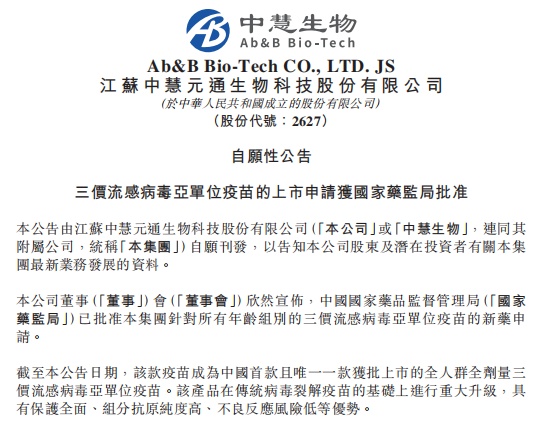
三价亚单位疫苗成功获批,中慧生物-B差异化竞争优势显著
Zhi Tong Cai Jing· 2026-01-30 09:57
Core Viewpoint - Zhonghui Biotech-B (02627) has achieved a significant milestone with the approval of China's first and only trivalent subunit influenza virus vaccine for the entire population, enhancing its product matrix in the subunit influenza vaccine sector [1][4]. Group 1: Product Development and Market Position - The company previously launched the first and only quadrivalent subunit influenza vaccine (Hui Er Kang Xin) for the entire population, establishing a comprehensive product matrix that meets diverse public health needs and market preferences [4]. - The successful approval of the trivalent vaccine is expected to drive the company's performance and value reassessment, as it aligns with the growing demand for influenza vaccination in China, where the vaccination rate is significantly lower than in the U.S. [5][6]. - The trivalent subunit vaccine is designed to have high antigen purity and fewer adverse reactions, making it particularly suitable for vulnerable populations such as children and the elderly [6]. Group 2: Financial Performance and Market Dynamics - Following the commercialization of the quadrivalent vaccine, the company has seen rapid revenue growth, with projected revenues increasing from 52.168 million yuan in 2023 to 260 million yuan in 2024, and a staggering 918.91% year-on-year growth in the first half of 2025 [7]. - The quadrivalent vaccine has achieved a 100% approval rate for product batch issuance and has expanded its sales network to over 1,100 disease control centers across 30 provinces in China [7]. - The company has also made progress in market access, with the quadrivalent vaccine passing preliminary review for inclusion in the 2025 National Commercial Health Insurance innovative drug list, which is expected to alleviate market promotion pressures [7]. Group 3: Future Growth and R&D Pipeline - The company is actively expanding its product offerings, including a clinical trial for an adjuvanted vaccine targeting individuals aged 65 and older, and research for a vaccine specifically for pregnant women, which could fill a current gap in immunization for infants aged 0-6 months [8]. - The company has a robust R&D pipeline, with multiple promising products under development, including a freeze-dried rabies vaccine and other vaccines targeting pneumonia and shingles, ensuring long-term sustainable growth [9][10]. - The company is also expanding its international market presence, with plans to enter markets in Canada, Singapore, Mexico, and Hong Kong by 2026, leveraging the seasonal differences in influenza activity across regions [11]. Group 4: Market Outlook and Investment Potential - Analysts predict that the company will achieve profitability by 2027, with projected revenues of 798 million yuan and 1.24 billion yuan in 2026 and 2027, respectively, indicating a clear growth trajectory [11]. - The successful approval of the trivalent influenza vaccine is expected to provide immediate revenue growth and enhance the company's competitive advantage in the high-potential subunit vaccine sector [11].

多股2连板!有色金属板块,大面积涨停
Shang Hai Zheng Quan Bao· 2026-01-26 04:43
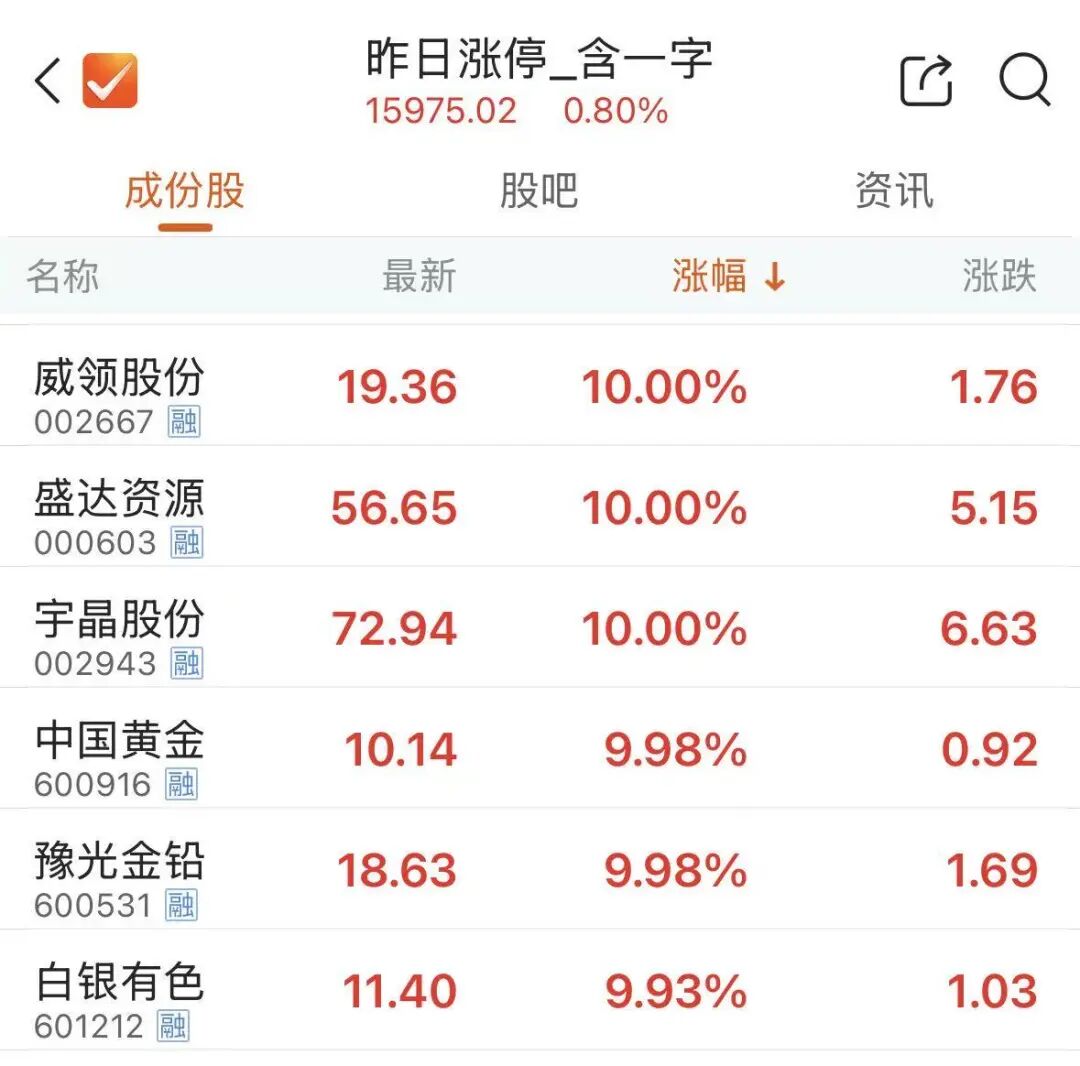
Market Overview - As of January 26, A-shares showed mixed performance with the Shanghai Composite Index up by 0.12%, while the Shenzhen Component Index and the ChiNext Index fell by 0.74% and 0.86% respectively [1] - The trading volume in the Shanghai and Shenzhen markets reached 22,631 billion yuan, an increase of 3,495 billion yuan compared to the previous day [1] Gold and Precious Metals - International gold prices have surpassed $5,000 per ounce for the first time, leading to a surge in precious metals and non-ferrous resource stocks [2][4] - The price of spot gold increased by 1.87%, reaching a new historical high of $5,081 per ounce, with a monthly increase of over $730 [3] - Spot silver also saw a significant rise, exceeding $108 per ounce, with a monthly increase of over 50% [3] Companies in Precious Metals - Companies such as China Gold, Yuguang Gold Lead, and Silver Nonferrous Metals have experienced consecutive trading days of price increases, with China Gold rising by 9.98% [2][4] - The financial attributes of gold are being driven by factors such as real interest rates, the US dollar index, and geopolitical situations, with gold's foreign exchange reserve ratio increasing to 25.94% as of January 2026 [4] Space Photovoltaics - The space photovoltaic sector is gaining momentum, with companies like Mingyang Smart Energy experiencing a three-day consecutive price increase [5][6] - Elon Musk announced plans for SpaceX and Tesla to build a total of 200GW of photovoltaic capacity in the US over the next three years, which is expected to boost the sector [6] Influenza Vaccine Sector - The influenza vaccine sector is seeing strong performance, with companies like Zhijiang Biological and others hitting their price limits [7][8] - The rise is attributed to recent reports of Nipah virus infections in India, which have heightened demand for vaccines [8]


中疾控:流感活动连续四周下降,整体仍处中流行水平
Zhong Guo Xin Wen Wang· 2026-01-13 10:24
Core Viewpoint - The flu activity in China has been declining for four consecutive weeks but remains at a moderate epidemic level, according to the Chinese Center for Disease Control and Prevention (CDC) [1][2]. Group 1: Flu Activity and Monitoring - The positive rate of respiratory samples from flu-like cases in sentinel hospitals shows that the top three pathogens are influenza virus (27.4%), respiratory syncytial virus (8.8%), and rhinovirus (5.7%) [1]. - The flu activity intensity is decreasing across all provinces, with reports of school outbreaks declining for five consecutive weeks [1]. - The laboratory tests indicate that 97.3% of the positive influenza virus samples are of the H3N2 subtype [1]. Group 2: Vaccine Information and Recommendations - The flu vaccine used in China is selected annually by the World Health Organization based on global flu monitoring data, including epidemiological data and antigen analysis [1][2]. - The flu monitoring system in China supports the WHO's vaccine strain recommendations, with 665 national-level laboratories and 1,041 sentinel hospitals tracking flu dynamics and detecting new variants [2]. - Vaccination can reduce the risk of flu, alleviate symptoms, and significantly lower the risk of hospitalization, severe cases, or death in high-risk groups [2]. - Recent international studies indicate that flu vaccination can prevent 67% of hospitalizations in children, 43% of severe cases in children, and 48% of adult hospitalizations [2]. - It is recommended that all individuals over six months old, without contraindications, should receive the flu vaccine annually, especially high-risk groups such as children, the elderly, teachers, healthcare workers, and those with underlying health conditions [2].
中疾控:除了打疫苗,这几件事也是预防流感的关键
Ren Min Wang· 2025-12-18 08:40
Core Viewpoint - The article emphasizes the importance of understanding and preventing influenza, especially during the winter season when respiratory diseases are prevalent. It highlights the need for effective vaccination and public awareness to combat the flu virus [1][4]. Group 1: Understanding Influenza - Influenza is an acute respiratory infectious disease caused by the influenza virus, with symptoms including fever, sore throat, cough, nasal congestion, runny nose, and muscle aches. Severe cases can lead to pneumonia and myocarditis [2]. - The influenza virus is highly variable, with different subtypes and strains that can undergo reassortment, making it a persistent challenge for public health [2]. - The World Health Organization (WHO) has identified seven influenza viruses among the 32 pathogens likely to cause the next pandemic in its 2024 priority pathogen list [2]. Group 2: Global Awareness Initiatives - World Influenza Day was established in 2018 to raise public awareness about influenza, promote monitoring and research, and enhance global prevention and control efforts [3]. - November 1 was chosen for this observance as it coincides with the rising activity of influenza in the Northern Hemisphere, facilitating health promotion and vaccination awareness [3]. Group 3: Vaccination as a Preventive Measure - Vaccination is the most effective method for preventing influenza, with annual adjustments made to vaccine components based on global monitoring data and WHO recommendations [4]. - Vaccination prepares the immune system to respond more effectively to the virus, reducing the risk of severe illness and death, particularly for high-risk groups such as the elderly and those with underlying health conditions [4]. Group 4: Recommended Preventive Measures - Maintaining good personal hygiene, such as frequent handwashing and using hand sanitizers, is crucial [4]. - Avoiding crowded and poorly ventilated places, wearing masks in healthcare settings, and enhancing personal immunity through balanced diet, exercise, and adequate sleep are recommended [4][5]. - High-risk populations, including the elderly, children, and patients with chronic diseases, should prioritize vaccination and follow preventive measures [5].
世卫组织:全球流感活动增加 甲流病毒成为主导
Sou Hu Cai Jing· 2025-12-12 09:54
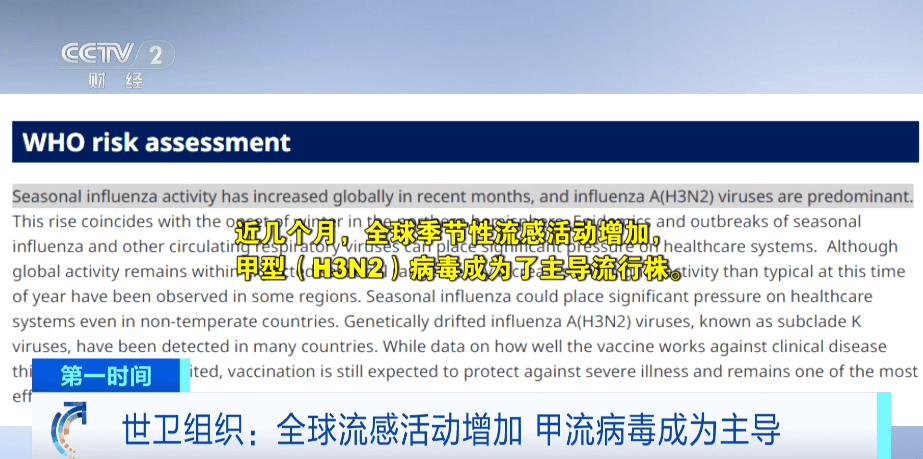
Core Insights - The World Health Organization reported an increase in global influenza activity since October, with most detected viruses being of the influenza A type [1] Group 1: Influenza Virus Trends - The H3N2 strain of influenza A has become the dominant circulating strain in several countries and regions, showing evolutionary trends in both genetic sequences and antigenic properties [3] - Compared to previous years, there are notable changes in global influenza activity, with some northern hemisphere countries experiencing an earlier start to the flu season, while some southern hemisphere countries are seeing a significantly prolonged flu season [3] Group 2: Vaccine Efficacy - Despite some genetic differences between the main circulating influenza viruses and those covered by the flu vaccine, the vaccine still provides protective benefits, making vaccination one of the most effective public health measures [3]
世卫组织:全球流感活动增加 主要由甲流病毒引起
Xin Hua Wang· 2025-12-11 14:02
Core Insights - The World Health Organization (WHO) reported an increase in global influenza activity since October, with most detected viruses being of the influenza A type [1] - The proportion of the H3N2 subtype of influenza A virus has been rising in multiple countries and regions [1] - Genetic sequencing indicates a significant evolution of the H3N2 virus since August, although current epidemiological data does not show an increase in disease severity [1] Summary by Categories Influenza Activity - Global influenza activity has increased since October, with a notable rise in influenza A viruses detected [1] - Some countries in the Northern Hemisphere have reported an early onset of the flu season, while others are seeing increased activity that has not yet reached epidemic levels [1] Virus Evolution - The number of K sub-branch H3N2 viruses detected has increased since August, indicating significant evolution of the virus [1] - Despite genetic differences between the circulating strains and those covered by the flu vaccine, the vaccine is still expected to provide protection and prevent severe cases [1] Public Health Implications - The WHO emphasizes that vaccination remains one of the most effective public health measures, especially as respiratory infections from flu and other common viruses are expected to rise with the onset of winter in the Northern Hemisphere [1] - In the Southern Hemisphere, some countries have experienced an unusually prolonged flu season, with virus activity remaining above historical levels [1]
今年,核心毒株变了
第一财经· 2025-12-08 03:24
Core Viewpoint - The current flu season in China is experiencing a significant rise in activity, primarily driven by the H3N2 subtype, which accounts for over 95% of cases, while H1N1 and B-type influenza viruses are also present in smaller numbers [3][4]. Group 1: Flu Virus Dynamics - The main change in this flu season is the dominance of the H3N2 strain, which has replaced H1N1 as the primary circulating virus [4]. - The H3N2 strain has not seen large-scale outbreaks in the past two years, leading to a general lack of immunity in the population, thus increasing the risk of infection [4]. - Even though the H3N2 subtype name remains the same, the virus undergoes minor antigenic changes each season, making it a "familiar new enemy" for the immune system [4]. Group 2: Flu Season Statistics - In the 2025-2026 flu season (as of November 2025), H3N2 is the absolute dominant strain, while H1N1 was the main strain in the previous season, accounting for over 99% [5]. - The current flu activity is rapidly increasing, with many provinces reaching moderate to high levels of circulation, contrasting with the previous season, which was relatively stable with localized outbreaks [5]. - The high-risk population this season includes children aged 5-14, who are showing a significant increase in cases, whereas the previous season had a more evenly distributed age demographic [5]. Group 3: Antiviral Medications - Oseltamivir and baloxavir marboxil should not be used as long-term preventive medications; oseltamivir is effective only during the treatment period, and improper use may increase the risk of resistance [6][8]. - In special cases, such as households with individuals over 65 years old, oseltamivir may be considered for preventive use if someone in the household is infected [8]. - It is crucial to take antiviral medications within 48 hours of symptom onset to shorten the duration of illness and reduce the risk of severe outcomes [8]. Group 4: Vaccination Recommendations - The 2025 flu vaccine covers the H3N2 strain and has an efficacy rate of 60%-80%, significantly reducing the risk of severe illness even if infection occurs [10].

应对呼吸道疾病高发 各地积极应对:增加医疗服务供给 确保医疗物资充足
Yang Shi Wang· 2025-12-06 02:37
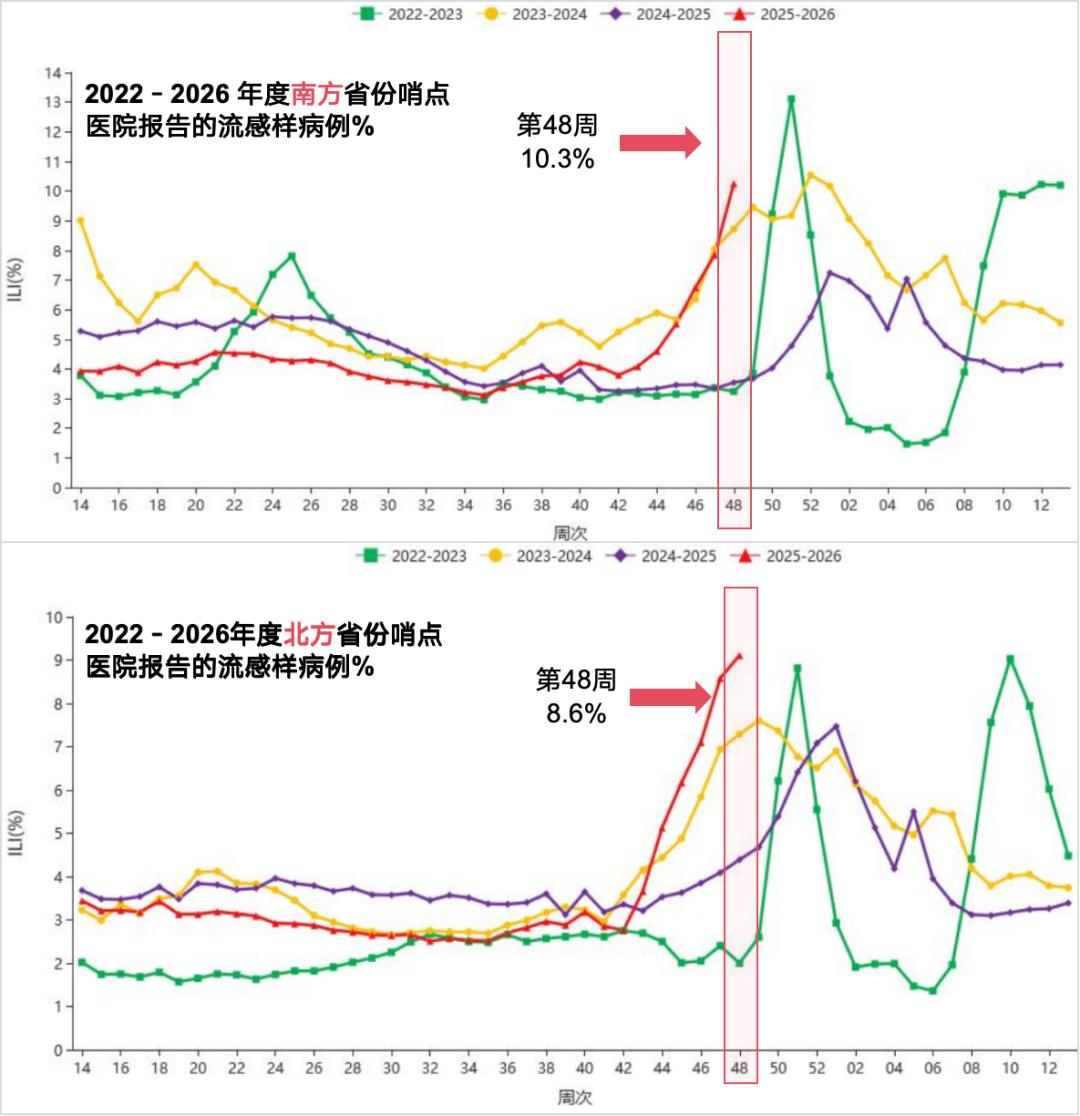
Core Viewpoint - The flu season in China has intensified, with 17 provinces reporting high levels of flu activity, prompting health authorities to enhance monitoring and response measures [1][3][11] Group 1: Flu Activity and Impact - Currently, 17 provinces in China are experiencing high flu activity, while the remaining provinces are at moderate levels [3] - The positive rate of flu virus detection among patients with flu-like symptoms in outpatient and emergency departments has reached 51%, which is below the highest levels recorded in the past three years [3] - The percentage of flu-like cases reported by sentinel hospitals nationwide is 9.6%, with the top three detected pathogens being influenza virus, rhinovirus, and respiratory syncytial virus [6] Group 2: Public Health Response - The number of flu outbreaks this season is significantly higher than the previous season, particularly in crowded settings such as schools and nursing homes [9] - Health authorities are urging the public to get vaccinated against the flu to prevent infection and reduce the risk of severe illness [9] - The National Health Commission and the CDC have deployed measures to strengthen monitoring and response, ensuring that medical institutions are adequately staffed and equipped to handle the increased demand for services [11]
流感“K毒株”来势汹汹,疫苗还有用吗?
3 6 Ke· 2025-12-05 09:13
Core Insights - The flu season this year is notably more severe and earlier than in previous years, with a significant increase in flu-like cases reported [1][3][4]. Group 1: Flu Activity and Statistics - Flu-like cases in outpatient settings have been rising, with an expected peak around mid-December [1]. - In the 48th week of 2025, there were 1,541 reported outbreaks of flu-like cases, a stark increase from just 31 outbreaks in the same week of 2024, representing nearly a 50-fold increase [5]. - The proportion of flu virus detected in respiratory samples has surged to 51.1% in the 48th week of 2025, compared to only 7% in the same week of 2024 [7]. Group 2: Virus Strains and Resistance - The H3N2 strain accounts for over 99% of the flu cases, with reports of drug-resistant strains emerging [5][12]. - There is a notable increase in the sales of antiviral medications, with a reported over 500% increase in purchases of flu antiviral drugs in mid-November [10]. Group 3: Vaccination and Prevention - Vaccination remains an effective method to reduce flu risk, with various flu vaccines being safe and effective [5][16]. - Current seasonal flu vaccines are based on egg-cultured antigens and are categorized into inactivated vaccines and live attenuated vaccines, both of which are deemed safe for different populations [20][22]. - Despite concerns about the effectiveness of vaccines against the K subclade, existing vaccines still provide significant protection against flu-related complications, especially in children [31][32]. Group 4: Public Health Recommendations - Good hygiene practices, such as handwashing and wearing masks, are essential in preventing the spread of the flu [33]. - Individuals are encouraged to seek timely medical attention if flu-like symptoms appear, and to adhere to prescribed antiviral treatments [35][36].
流感进入快速上升期!别等“中招” 这样预防还来得及→
Yang Shi Xin Wen· 2025-11-30 23:29
Group 1: Flu Situation in China - The positive rate of flu cases in emergency departments across China is approaching 45%, indicating that the flu has reached a moderate epidemic level, with some provinces experiencing high epidemic levels [1] - The peak of flu activity is generally expected between late December and early January, after which a decline is anticipated [1] Group 2: Understanding Influenza - Influenza is an acute respiratory infectious disease caused by the influenza virus, which is categorized into four types: A, B, C, and D. The predominant strain currently in China is the H3N2 subtype of type A [3] - The typical symptoms of influenza include sudden high fever (often reaching 39°C to 40°C), chills, severe headaches, muscle aches, and extreme fatigue, distinguishing it from the common cold, which primarily affects the nose and throat [9] Group 3: Transmission and Prevention - Influenza spreads primarily through respiratory droplets produced when an infected person coughs, sneezes, or talks, as well as through contact with contaminated surfaces [5] - Recommended preventive measures include frequent handwashing, wearing masks, maintaining good ventilation, and avoiding crowded places during peak flu season [15] Group 4: Vaccination Insights - Vaccination against influenza is crucial, and it is not too late to get vaccinated even during the flu season, as antibodies take 2 to 4 weeks to develop [17] - The World Health Organization estimates that seasonal influenza can lead to 3 million to 5 million severe cases and 290,000 to 650,000 respiratory disease-related deaths annually, highlighting the importance of vaccination in reducing severe illness and mortality [19] - The effectiveness of the flu vaccine typically lasts for 6 to 9 months, necessitating annual vaccination to ensure optimal protection against circulating strains [20][21]
