电动车新国标政策

Search documents
2000万外卖骑手,困在新国标电动车
Xin Lang Cai Jing· 2025-12-04 15:52
Core Viewpoint - The implementation of the new electric bicycle standards (GB 17761-2024) has significantly impacted the delivery industry, particularly for food delivery riders, leading to operational challenges and financial strain [1][17][28]. Group 1: New Electric Bicycle Standards - The transition period for the new electric bicycle standards ended on December 1, 2023, resulting in a complete ban on the sale of old standard electric bicycles [1][17]. - The new standards restrict the maximum speed to 25 km/h, which many riders find impractical for timely deliveries [1][6][22]. - The new electric bicycles are described as unsuitable for delivery purposes due to their small size and lack of features like rearview mirrors and adequate storage space [8][23][24]. Group 2: Impact on Delivery Riders - Many delivery riders express that they will not consider purchasing the new standard bicycles, with one stating that "99.9% of riders" would avoid them [1][19]. - The new regulations have led to a decrease in delivery efficiency, with riders reporting that they can only take fewer orders and earn significantly less, sometimes as low as 10 yuan per hour [6][22][24]. - The financial burden of purchasing new standard bicycles is high, with prices starting at over 3,000 yuan, which is a significant increase compared to the old standard bicycles [8][24][28]. Group 3: Industry Challenges - The delivery platforms are reducing delivery times, which exacerbates the challenges faced by riders under the new speed regulations [12][27]. - The market for old standard bicycles is shrinking, leading to increased prices for second-hand models, as new riders are unable to purchase compliant vehicles [28][30]. - The overall profitability of the delivery industry is declining, with lower order prices and stricter regulations making it less viable for many riders to continue as full-time workers [15][30][31].

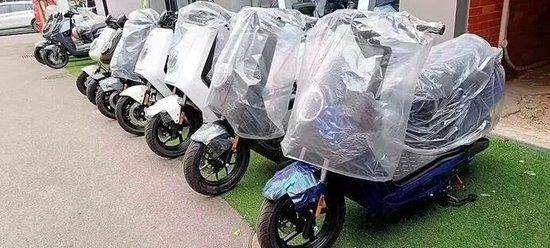
2000万外卖骑手,困在新国标电动车
凤凰网财经· 2025-12-04 15:24
Core Viewpoint - The implementation of the new national standard for electric bicycles has significantly impacted the delivery industry, particularly for food delivery riders, leading to operational challenges and reduced income potential [1][6][10]. Group 1: New National Standard Impact - The new national standard (GB 17761-2024) has officially ended the transition period, banning the sale of old standard electric bicycles, causing many shops to close and limiting the availability of new models [1][14]. - The new electric bicycles are designed with strict limitations, including a maximum speed of 25 km/h, which is deemed insufficient for timely deliveries, leading to increased delivery times and potential income loss for riders [1][6][7]. - Many riders express that the new models are impractical for delivery purposes, lacking necessary features such as adequate storage space for delivery boxes and rearview mirrors, which are essential for safety [8][9]. Group 2: Delivery Challenges - The delivery platforms have reduced the time allocated for deliveries, making it increasingly difficult for riders to meet the new speed regulations while ensuring timely service [12][13]. - Riders report that the new regulations have led to a significant decrease in their earnings, with some stating that they can only make around 3,000 yuan per month under the new conditions, which is insufficient to cover living expenses [10][18]. - The introduction of a "speed cut-off" mechanism in the new electric bicycles further complicates the situation, as it prevents riders from exceeding the speed limit, resulting in more missed delivery deadlines and financial penalties [6][10]. Group 3: Market Dynamics - The demand for old standard electric bicycles has surged due to the new regulations, leading to increased prices for second-hand models as new riders struggle to find compliant vehicles [14][16]. - The market for electric motorcycles is also affected, as many cities impose restrictions on their use, complicating the options available for delivery riders [16][17]. - The overall sentiment within the delivery industry indicates a decline in job attractiveness, with many riders transitioning to part-time work due to the unsustainable nature of full-time delivery under the new regulations [18][19].