电商+金融

Search documents
拉美信贷之王:余额超百亿美元,坏账17.6%,净息差超20%
3 6 Ke· 2026-01-07 02:50
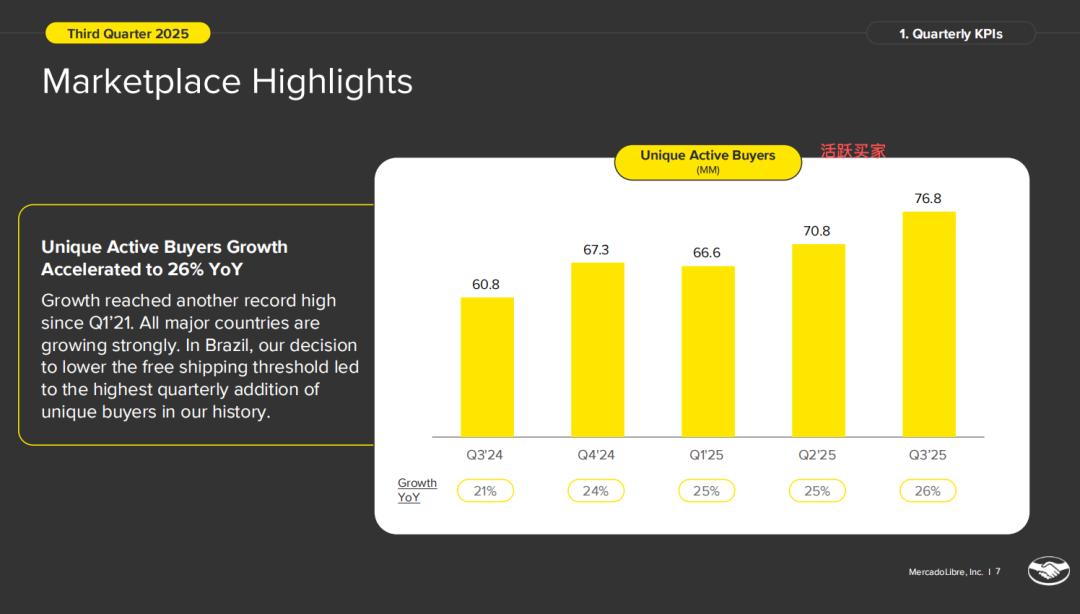
Core Insights - The article discusses the integration of e-commerce and financial services, highlighting the success of companies like Mercado Libre in Latin America, similar to Alibaba and Ant Group in China [1][3][5]. Group 1: Company Overview - Mercado Libre, founded in 1999, is the largest online commerce and fintech ecosystem in Latin America, providing a comprehensive service suite for online buying, selling, and financial services [5][8]. - The company operates in multiple Latin American countries, including Argentina, Brazil, and Mexico, and has a significant market share in the region's e-commerce sector, projected to reach 26% by 2024 [9][10]. Group 2: Financial Performance - In Q3 2025, Mercado Libre reported a GMV of $16.5 billion (approximately 115 billion RMB), reflecting a year-on-year growth of 28% [10]. - The active buyer count reached 76.8 million in Q3 2025, indicating a growing customer base [11]. - The company's revenue from business services was $11.316 billion, while fintech services generated $8.818 billion in the first three quarters of 2025 [20][22]. Group 3: Fintech Services - Mercado Pago, the company's fintech platform, offers a wide range of services, including loans, credit cards, and cryptocurrency transactions, and has become a leading payment solution in several countries [15][17]. - The fintech segment's revenue grew by 68.68% year-on-year, reaching $1.535 billion (approximately 10.7 billion RMB) in Q3 2025 [24]. - The total credit portfolio of Mercado Libre reached $11 billion (approximately 76.8 billion RMB) in Q3 2025, with a significant portion coming from credit card services [26][30]. Group 4: Credit Risk and Performance - The company reported a non-performing loan (NPL) rate of 17.6% in Q3 2025, slightly down from 18.5% in the previous quarter [35]. - Despite the high NPL rate, the net interest margin after losses remained robust at over 20%, indicating strong profitability in its lending operations [34][36]. - The credit issuance volume for Q3 2025 was $10.328 billion (approximately 72.1 billion RMB), marking an 18.49% increase from the previous quarter [32].

快手加入自营放贷阵营:高定价模式能否延续?|大厂金融事
Xin Lang Cai Jing· 2025-08-14 02:53
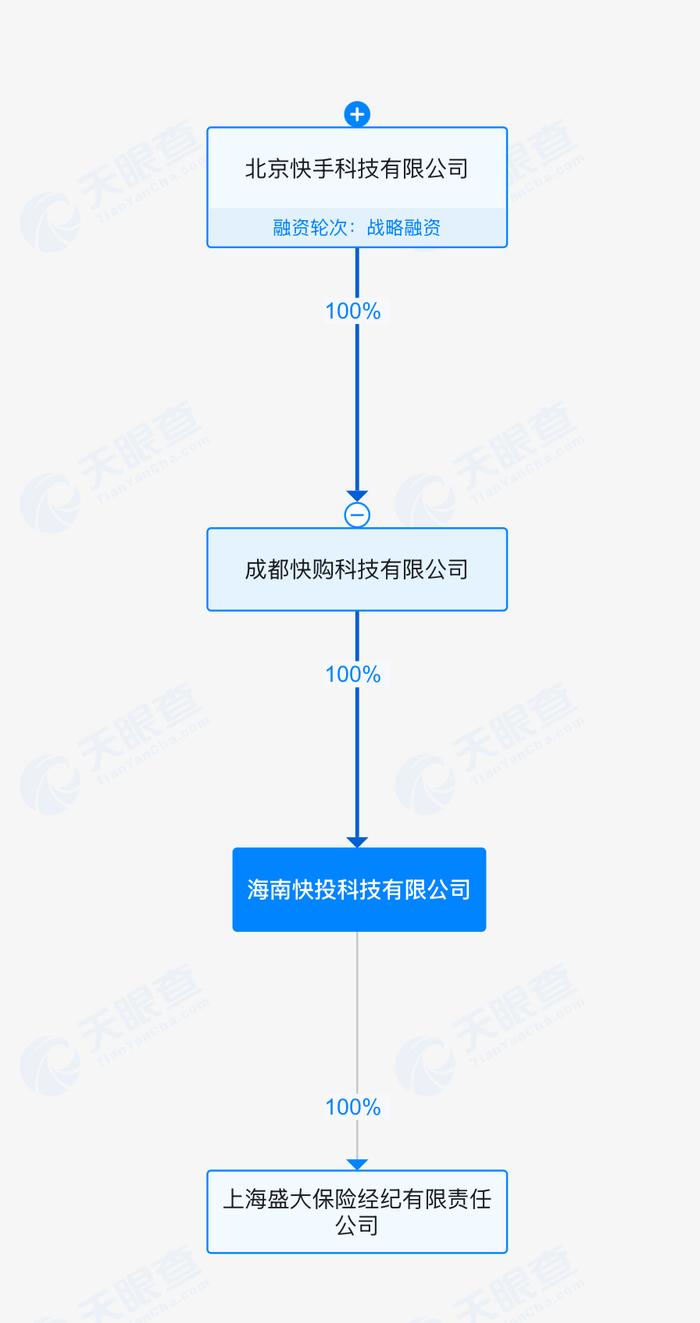
Core Viewpoint - Kuaishou has launched its own lending platform "Shengxin Jiejin," marking its entry into the financial services sector, which is increasingly becoming a standard for major internet companies [2][3]. Lending Products - Kuaishou's lending offerings include "Kuaishou Monthly Payment," which allows users to make purchases in Kuaishou stores and repay the following month with a maximum interest-free period of 37 days [2]. - The platform's lending model primarily involves connecting licensed financial institutions with users, utilizing API and H5 lending technologies [4]. - The maximum loan amount available through Kuaishou's lending services is 200,000 yuan, with annual interest rates ranging from 23.65% to 35.99% depending on the lending institution [4][6]. Market Position and Competition - Kuaishou's financial services are seen as lagging behind competitors like Douyin, which offers lower interest rates and more established lending products [5][6]. - The company has faced complaints regarding high interest rates and restrictions on early loan repayment, indicating potential challenges in customer satisfaction [6]. Regulatory Environment - New regulations effective from October 1, 2023, will impose stricter controls on internet lending practices, potentially impacting Kuaishou's high-interest lending model [7][8]. - Kuaishou has recently acquired three financial licenses, including for small loans and insurance brokerage, to enhance its financial service offerings [9][12]. User Base and Growth - Kuaishou has a substantial user base, with 408 million daily active users and 711.7 million monthly active users, but growth rates have slowed compared to previous years [14]. - The company's e-commerce gross merchandise volume (GMV) reached 332.3 billion yuan in Q1 2023, reflecting a 15.4% increase year-on-year, but this is lower than the previous year's growth rate [14]. Strategic Challenges - Kuaishou's late entry into the financial services market raises questions about its ability to compete against established players with stronger brand recognition and broader service offerings [15]. - The company faces challenges in building financial brand awareness and developing user habits related to financial products [15][16].