电商信任

Search documents
双十一后AI假图仅退款暴涨,电商信任线被撕裂,平台加码审核能堵住这道口子吗?
Sou Hu Cai Jing· 2025-11-23 08:00
Core Viewpoint - The rise of generative AI has led to widespread abuse in e-commerce, undermining trust and creating significant challenges for merchants [3][12][19] Group 1: Impact on E-commerce - E-commerce has become the first major victim of AI misuse, with trust being severely compromised due to fraudulent practices [3][12] - The threshold for creating fake evidence has been lowered, allowing individuals to exploit refund policies through AI-generated images [5][14] - Merchants are now forced to divert their focus from business operations to fraud prevention, impacting their overall efficiency and profitability [7][14] Group 2: Fraudulent Practices - There are services emerging online that offer to generate fake return images, with claims of high success rates in obtaining refunds [5][14] - The nature of fraud has shifted from exploiting loopholes in rules to creating fabricated evidence using AI, which is fundamentally different from previous practices [5][14] - The consequences of these fraudulent activities are significant, with small businesses facing severe financial strain from malicious refund requests [10][19] Group 3: Regulatory and Platform Responses - New regulations, such as the "Artificial Intelligence Generated Content Identification Measures," have been implemented to require labeling of AI-generated content [12][14] - E-commerce platforms are enhancing their fraud detection measures, including the introduction of AI image recognition and timestamped video verification for high-value items [14][16] - There is ongoing discussion within the industry about stricter measures to prevent fraudulent activities across platforms, emphasizing the need for collaborative efforts to restore trust [16][19] Group 4: Broader Implications - The erosion of trust in e-commerce could lead to increased prices for consumers as merchants incorporate risk into their pricing strategies [7][12] - The rise in fraudulent returns is contributing to higher operational costs across the industry, affecting both merchants and consumers [17][19] - The industry must balance the need for efficient operations with the necessity of maintaining trust, as the long-term success of e-commerce relies on it [16][19]

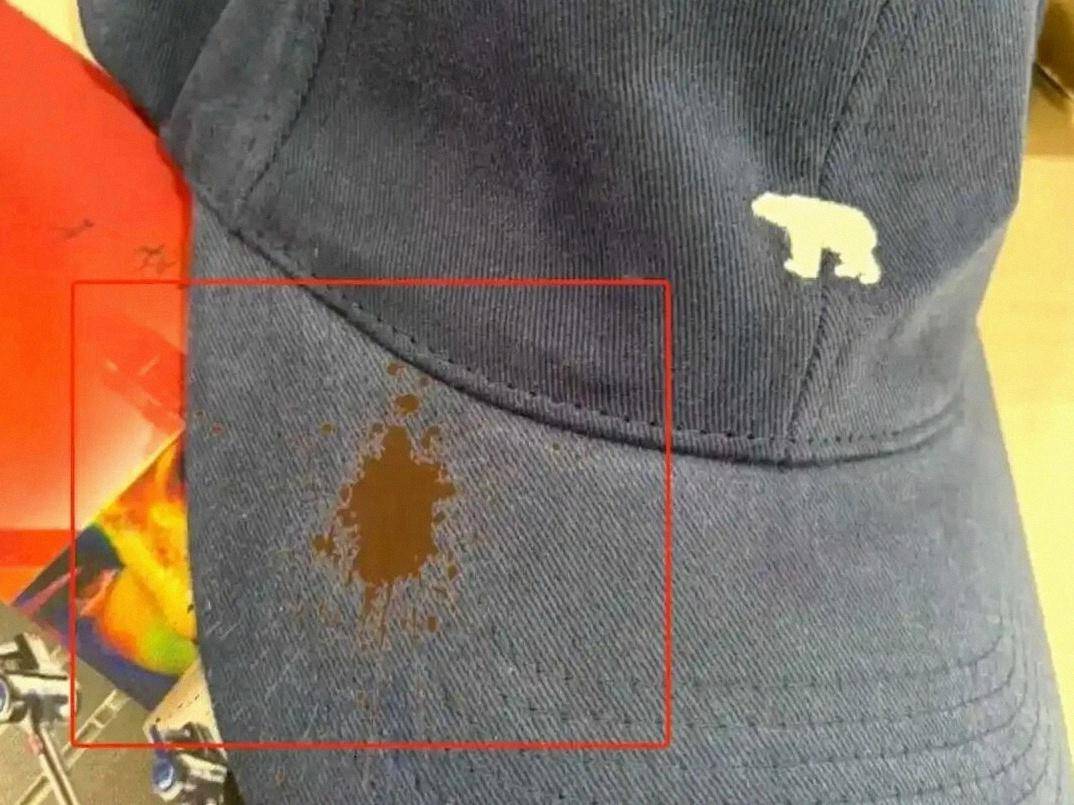
突发!大量“仅退款”涌入商家店铺
商业洞察· 2025-09-10 09:26
Core Viewpoint - The article discusses the misuse of AI-generated images in the e-commerce sector, particularly in the context of "only refund" requests, highlighting the challenges faced by merchants due to the increasing sophistication of these fraudulent practices [3][6]. Group 1: AI Image Fraud in E-commerce - AI-generated fake images have become prevalent, particularly in the categories of clothing, food, and daily necessities, leading to a surge in "only refund" requests [7][8]. - Merchants report that the realism of AI-generated images complicates the refund verification process, making it difficult to distinguish between genuine and fraudulent claims [28][29]. - The phenomenon has sparked polarized discussions among consumers, with some mocking the intelligence of those attempting to exploit the system, while others express concern over the erosion of trust in e-commerce [29][30]. Group 2: Experimentation with AI Refund Claims - The article details an experiment conducted by the author to test the effectiveness of AI in generating images for refund claims, revealing that the technology is already well-integrated into the refund process across major platforms [31][32]. - The experiment involved selecting products that are easy to manipulate visually, such as transparent items and perishable goods, to exploit the weaknesses in platform verification systems [32][33]. - The results showed that refund requests were processed quickly and without thorough scrutiny, indicating significant loopholes in the current e-commerce refund policies [41][51]. Group 3: Governance and Solutions - The article suggests that addressing the issue of AI-generated refund fraud requires a multi-faceted approach involving legal, technological, and regulatory measures [57][58]. - Legal frameworks exist to penalize fraudulent refund claims, with potential civil and criminal liabilities for consumers who exploit these systems [59][61]. - Recommendations for platforms include establishing consumer trust rating systems, enhancing image verification technologies, and improving refund request auditing processes to mitigate fraudulent activities [64][66].