电商革命对实体商业的影响

Search documents
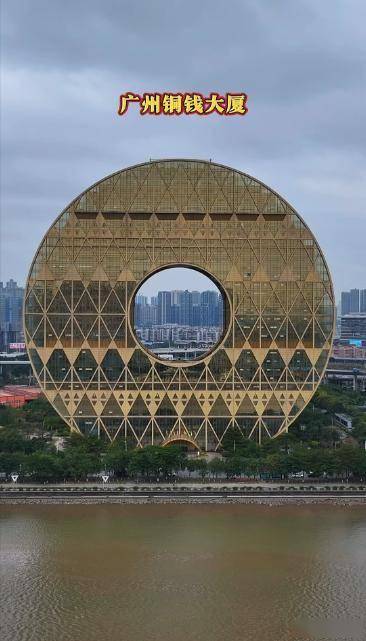
广州“铜钱大厦”降1.36亿元仍流拍,四次流拍,三万围观:广州圆大厦的生死局
Sou Hu Cai Jing· 2025-11-30 21:51
Core Viewpoint - The repeated failure to auction the Guangzhou Round Building reflects the shift in China's commercial real estate from a phase of enthusiasm to one of rationality, highlighting the challenges faced by unique architectural projects in a changing market landscape [1][11]. Group 1: Symbol of Wealth's Decline - The Guangzhou Round Building, once a symbol of wealth and ambition, has seen its auction price plummet from 5.589 billion to 1.224 billion yuan, a decrease of over 76%, yet it remains unsold despite significant interest [3][4]. - Originally completed in 2013 and hailed as the world's largest circular building, it has now become a liability due to the financial troubles of its parent company, Guangdong Xingye International Industrial Co., Ltd. [3][4]. Group 2: Debt Crisis and Corporate Collapse - Hongda Xingye Group, the parent company, is facing a financial disaster with debts amounting to 33.8 billion yuan and a negative net asset of 23.8 billion yuan, leading to its bankruptcy restructuring in August 2023 [4][6]. - The company's founder, Zhou Yifeng, once a prominent businessman, is now a discredited figure with significant financial and legal troubles [5][6]. Group 3: Design Flaws and Market Realities - The building's design, which prioritizes form over function, results in a 30% lower space utilization compared to conventional office buildings, alongside high maintenance costs due to its gold glass façade [8][10]. - The rising vacancy rates in Guangzhou's office market, reaching 22%, further complicate the prospects for the building, which is projected to generate insufficient rental income to justify its acquisition [10][13]. Group 4: Cultural and Aesthetic Controversies - The public perception of the Guangzhou Round Building is mixed, often criticized as one of China's ugliest buildings, despite its intended design inspiration [10][11]. - Historical parallels are drawn with other iconic buildings that faced initial criticism but later became celebrated landmarks, suggesting that public opinion can evolve over time [10][11]. Group 5: Restructuring Commercial Real Estate Logic - The failed auctions of the Guangzhou Round Building signify the end of an era where unique architectural designs were favored over sustainable financial models, as the market now prioritizes cash flow and operational efficiency [11][13]. - Other commercial properties have also seen significant price reductions in recent auctions, indicating a broader trend in the real estate market towards more cautious investment strategies [11][13]. Group 6: Potential for Future Revitalization - Despite its current challenges, the Guangzhou Round Building may have a future if it can be acquired at a sufficiently low price by a buyer willing to invest in its redevelopment [14][16]. - The surrounding area is undergoing development, which could enhance the building's value, but successful revitalization will require innovative approaches and government support [14][16].