电影修复

Search documents
匠心守护文艺经典 《洪湖赤卫队》4K版擦亮“红色记忆”
Xin Hua She· 2025-12-05 07:41
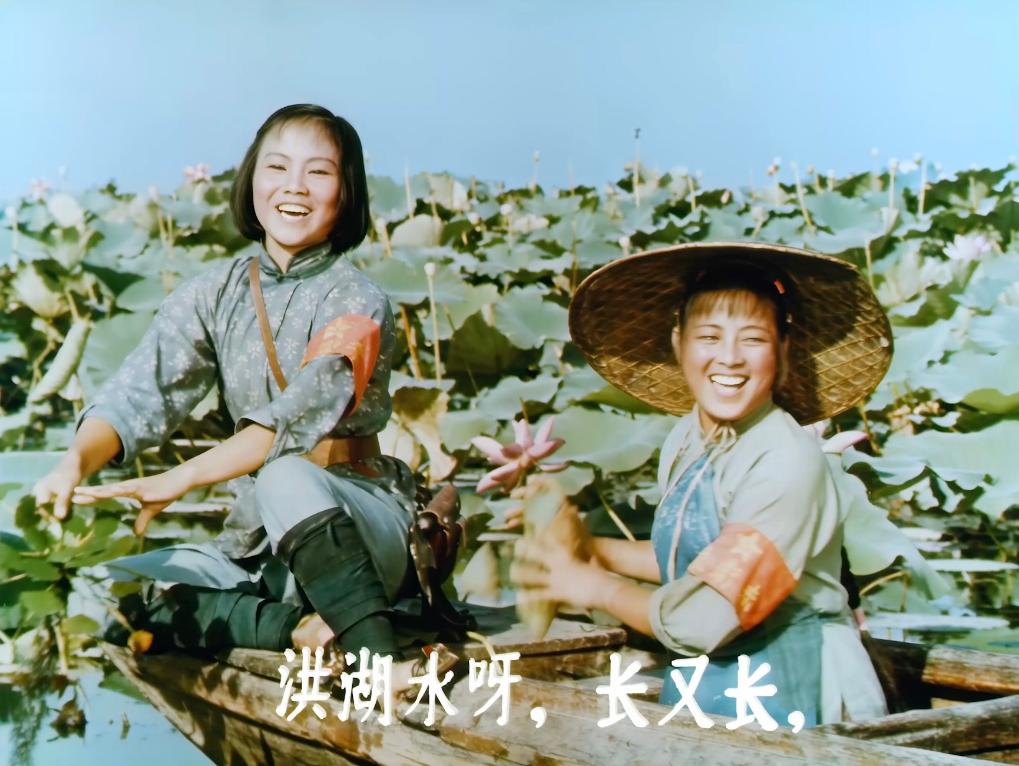
Core Viewpoint - The 4K restoration of the classic revolutionary film "Honghu Red Guards" aims to preserve and enhance the film's historical significance and visual quality, allowing a new generation to experience this cultural classic [1][3]. Group 1: Film Background and Significance - "Honghu Red Guards," released in 1961, is adapted from a local opera and tells the story of Han Ying leading the Honghu Red Guards in the 1930s to protect the revolutionary base [3]. - The film won the Best Music Award at the first Hundred Flowers Awards and features the iconic theme song "Honghu Water Waves," which remains popular across generations [3]. Group 2: Restoration Process - The restoration team sourced six relatively complete film copies from various collectors across China, facing challenges such as fading, scratches, and mold on the original materials [3][5]. - The restoration philosophy balances preserving the nostalgic quality while meeting modern aesthetic standards, involving both AI technology for initial repairs and careful manual adjustments [5][7]. Group 3: Community Engagement and Impact - The restored film has been showcased in public screenings across libraries, communities, and schools in Hubei, aiming to reconnect audiences with their cultural heritage [7]. - The emotional response from viewers, including a sense of nostalgia and connection to their roots, highlights the film's enduring impact on Chinese culture [1][7].

燃烧的影像 不灭的记忆(抗战文艺作品巡礼)
Ren Min Ri Bao· 2025-07-03 00:31
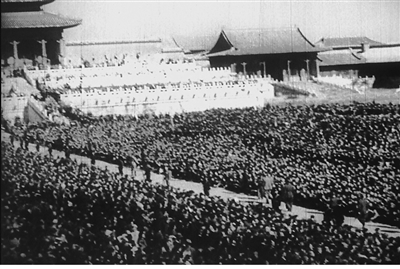
Core Viewpoint - The documentary "Burning Images" serves as a powerful visual narrative of the Chinese people's struggle during the Anti-Japanese War, highlighting the importance of preserving historical memories through film [4][8]. Group 1: Historical Context - The Anti-Japanese War lasted from 1931 to 1945, resulting in over 35 million casualties in China, marking a significant awakening of the Chinese nation [3]. - The documentary includes footage from various stages of the war, capturing key events and figures, and aims to evoke deep emotional responses from viewers [3][5]. Group 2: Documentary Production - The China Film Archive digitized and organized over 500 wartime documentaries, ultimately producing "Burning Images" from 284 films, which includes more than 133,000 frames [4][6]. - The production team consisted of over 100 members, including historians and experts, who meticulously verified the accuracy of each frame, likening their work to archaeological research [6][7]. Group 3: Impact and Reception - Since its release in 2015, "Burning Images" has been screened across various venues, resonating with audiences and serving as a historical testament [4][8]. - The documentary not only reflects on the past but also serves as a reminder of the importance of peace and the lessons learned from history [8].